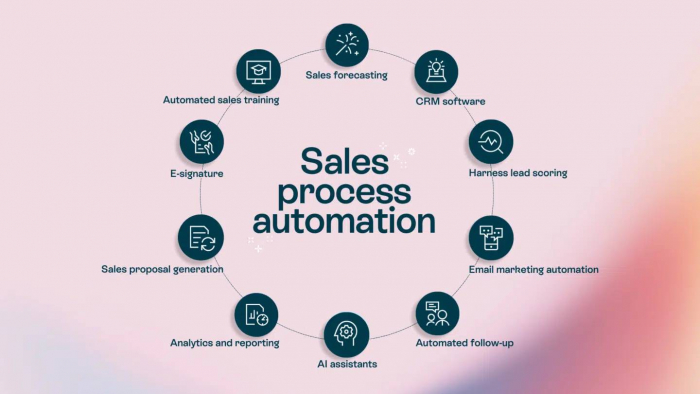
Today’s B2B sales environment is more complex than ever — multiple communication channels, informed buyers, and shorter attention spans create a demanding sales landscape. According to Salesforce’s State of Sales Report 2025, over 60% of sales professionals say they spend too much time on manual, administrative tasks, leaving less time for actual selling.
Traditional, manual sales processes come with predictable pain points:
● Slow lead response times — by the time someone calls back, the buyer has already moved on.
● Inconsistent follow-ups that make even qualified leads fall cold.
● Lost deals due to poor pipeline visibility and lack of coherent tracking.
Sales automation isn’t about replacing the human sales rep—it’s about optimizing repetitive, low-value tasks so your team can focus on meaningful, revenue-driven interactions.
In this article, you’ll learn how to build an end-to-end automation framework across the full sales funnel: from capturing leads and qualifying them, to nurturing, closing, and retaining customers.
A modern sales funnel generally follows these stages:
1. Lead capture
2. Lead qualification
3. Lead nurturing
4. Sales outreach
5. Pipeline management
6. Proposal & closing
7. Post-sale handoff
Automation delivers true value only when these stages are interconnected. For example, an automated email follow-up triggered from your CRM after a demo request means faster response times and less manual scheduling. When CRM data powers lead scoring, pipeline forecasting, and contract generation, you get consistent, scalable, and measurable performance at every stage.
Most businesses receive leads from multiple touchpoints — websites, social ads, webinars, and events. Without automation, valuable prospects are lost in spreadsheets or left unresponded to.
● Dynamic website forms and landing pages (via HubSpot, Unbounce, LeadPages).
● Chatbots and conversational popups that prequalify visitors in real time.
● Lead source tracking to monitor campaign ROI automatically.
An integrated system routes leads instantly into your CRM, tags them by source or intent, and notifies the right sales rep. This reduces lead response time from hours to seconds — increasing conversion likelihood by as much as 8x, as per InsideSales.com.
Keep forms concise yet targeted. Include qualifying questions like “Company size” or “Budget range” to capture buyer intent. Reserve chatbots for top-of-funnel engagement but hand off high-value leads directly to a rep for a quick call.
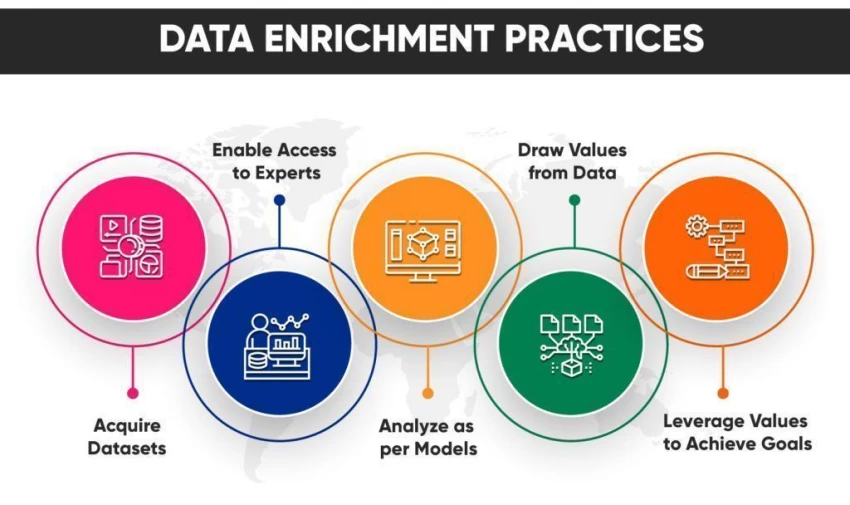
Incomplete or inaccurate CRM data limits personalization. Sales reps spend hours researching basic details like company size or industry before even making contact.
● Contact enrichment through integrations like Clearbit, ZoomInfo, or Apollo.io.
● Duplicate detection and cleansing via native CRM workflows.
● Data updates to automatically refresh outdated fields every quarter.
● Complete buyer profiles enable hyper-personalized messaging.
● Better segmentation improves campaign targeting.
● Clean data ensures trustworthy analytics and forecasting.
Prioritize data accuracy and compliance. Ensure enrichment tools adhere to GDPR or CCPA standards and sync only relevant, actionable data — not noise.
Without structured qualification, sales teams chase the wrong leads, wasting resources on low-intent prospects.
Create a lead scoring model that blends demographic signals (job title, company size) with behavioral triggers (email opens, form submissions, demo requests). Most CRMs like Salesforce, Pipedrive, or Zoho support automated scoring rules.
Automation ensures that only high-scoring leads are routed to reps, enabling faster responses and tighter sales-marketing alignment.
● Lead-to-opportunity conversion rate.
● Average response time to high-intent leads.
● Number of sales-qualified leads (SQLs) generated per month.
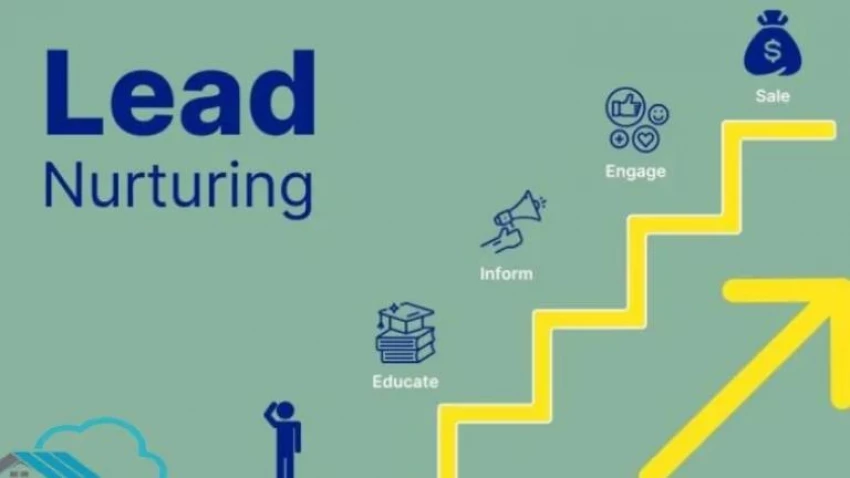
Even warm leads can turn cold if follow-ups lapse. Manual follow-up scheduling doesn’t scale and leads to missed opportunities.
● Email drip campaigns personalized to buyer stage.
● Targeted content delivery, like sending case studies after a demo.
● Automated follow-up tasks triggered when leads engage or disengage.
In industries with long sales cycles—like SaaS, real estate, or B2B services—automated nurturing ensures consistent engagement with early-stage leads until they’re ready to buy.
Use CRM-driven personalization tokens (like company name, industry) and dynamic content blocks to ensure every message feels relevant. Set clear exit rules: when a lead converts, they should exit nurturing workflows immediately.
Sales reps spend 30–40% of their week sending repetitive emails or scheduling meetings instead of selling.
● Email and multi-channel cadences (email, LinkedIn, calls).
● Meeting scheduling via Calendly or HubSpot Meetings integrations.
● Engagement tracking with analytics dashboards that show who opened or replied.
Automation ensures messaging consistency and increases reply rates by up to 25%, as reported by Outreach.io.
Reps should personally intervene at decision-making stages or after high-value engagement signals (like multiple pricing page visits). Always maintain empathy — automation supports, but should never replace, genuine human connection.
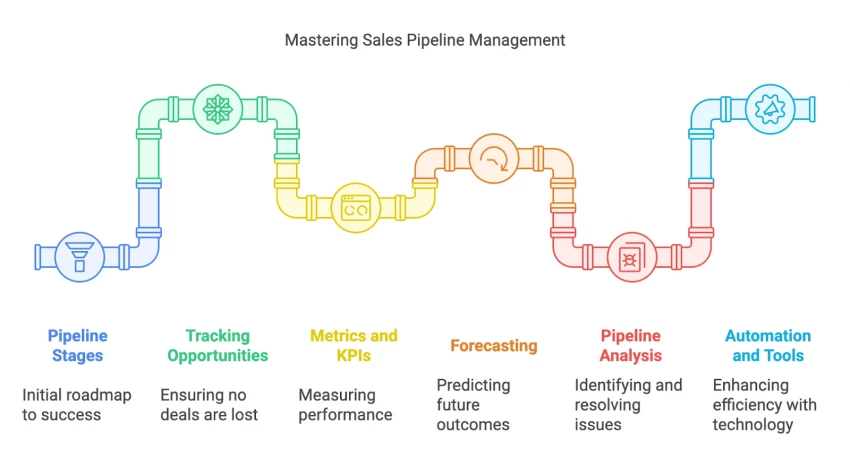
Without visibility, managers can’t see which deals are stalling or which reps need support. Manual tracking often leads to missed follow-ups.
● Deal stage movement via activity triggers (demo done → move to “Negotiation”).
● Automated task reminders for follow-ups or document sharing.
● Real-time dashboards for pipeline health, win rates, and revenue forecasting.
Accurate forecasting helps leadership plan resources better. Automated reminders reduce “dropped deals” and can shorten the overall sales cycle by 15–25%.
Manual proposal creation leads to delays and errors in pricing or approvals.
● Proposal generation templates that auto-fill client data from CRM.
● Automated pricing approvals based on deal value thresholds.
● E-signature workflows using tools like DocuSign or PandaDoc.
Faster deal turnaround, fewer approval bottlenecks, and smoother buyer experience. Teams using proposal automation report 30% faster closure rates compared to manual workflows.
Track performance through key metrics such as:
● Lead response time
● Conversion rate per funnel stage
● Average sales cycle length
● Overall win rate
Use CRM dashboards to identify workflow bottlenecks, then constantly refine your automation logic. Remember — automation is not “set and forget”; it’s an ongoing optimization loop.
● Automating broken processes — optimize workflows first, then automate.
● Over-automating buyer interactions — human trust still drives conversion.
● Ignoring user adoption — sales teams must be trained on new tools.
● Misaligned sales and marketing automation — your CRM and marketing stack must share the same data logic.
Sales automation isn’t a shortcut — it’s a force multiplier. When used strategically, it empowers your sales team to operate faster, smarter, and more consistently.
Before jumping into tools, clarify your sales philosophy and define clear workflows. Then automate logical steps of the journey — lead capture, enrichment, follow-ups, outreach, and closing. The goal is simple yet powerful: automate the process, personalize the experience.
Be the first to post comment!

Image search has quietly become one of the most powerful discovery, research, an...
Michael Hicklen1 month ago
Why Workflow Automation Matters in 2026Automation tools help businesses:● S...
Michael Hicklen1 month ago
1) Foundations :What software review platforms are-Software review platforms are...
Michael Hicklen1 month ago

1. What AI Automation in Daily Work Actually Means?1.1 AI automation in daily wo...
Michael Hicklen1 month ago
1. What Is a CRM?Definition-A CRM (Customer Relationship Management) system...
Michael Hicklen1 month ago

When brands think about where to anchor their DNS (Domain Name System) backbone,...
Michael Hicklen1 month ago