Running a small business often means doing everything at once. Marketing, sales follow ups, customer support, hiring, invoicing, and reporting usually fall on the same few people. In 2026, artificial intelligence has become less about experimentation and more about practical automation. Small businesses are now using AI tools to remove repetitive work, reduce manual errors, and make faster decisions without hiring more staff.
The Best AI Tools for Small Business Automation are not futuristic systems that require engineering teams. They are affordable platforms that connect existing apps, handle routine workflows, and assist with decisions using real business data. Many of these tools operate comfortably under a $100 monthly budget and still deliver measurable productivity gains.
This article focuses on how these tools are used in real operations, where they help, where they struggle, and which types of businesses benefit most.
Why Small Businesses Are Turning to AI Automation
Automation is no longer only about saving time. For small businesses, it is about survival and scalability. Studies and real world use cases show that AI driven workflows can deliver around 40 percent productivity improvements, while some businesses report 200 to 500 percent return on investment within months.
These gains usually come from simple changes. Leads automatically moving from forms into a CRM. Customer questions answered instantly instead of waiting hours. Invoices created without manual entry. Meetings summarized without someone writing notes.
The important shift is that AI tools now work across departments. Marketing, sales, HR, finance, and operations no longer rely on separate systems. Automation connects them into a single flow.
Understanding the Best AI Tools for Small Business Automation
Before looking at specific platforms, it helps to understand what qualifies as effective automation for small teams.
These tools usually fall into three categories. Workflow automation platforms that connect apps. AI assistants that generate or summarize information. Industry specific tools that automate tasks like accounting or customer support.
The best results come when businesses start with one narrow problem, automate it fully, and then expand gradually. Trying to automate everything at once often leads to confusion and poor adoption.
Core Workflow Automation Platforms
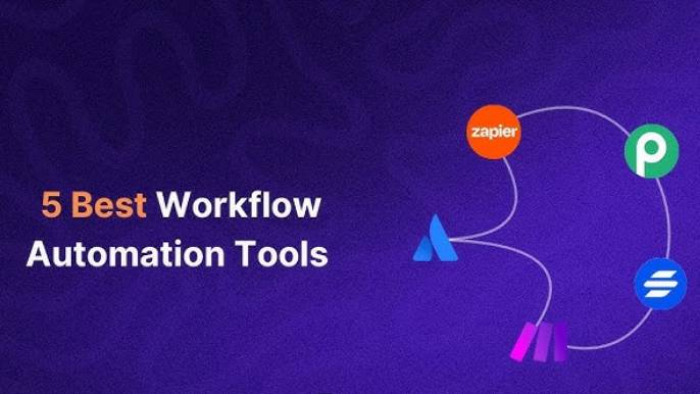
When discussing the Best AI Tools for Small Business Automation, workflow platforms are the foundation. They quietly move data between apps and trigger actions without manual input.
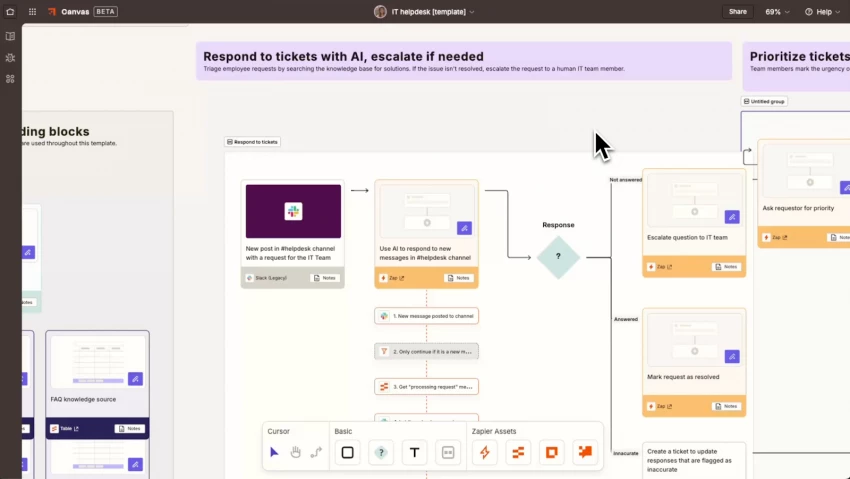
Zapier is often the first automation tool small businesses encounter. It connects more than 6,000 applications and allows workflows to be created using plain language. A typical use case is automatically adding new form submissions to a CRM and sending a follow up email.
For very small teams, the free tier is sufficient, offering 100 tasks per month. As automation volume grows, costs increase because Zapier charges per task execution. This makes it ideal for simple, low volume workflows, but less economical for high frequency operations.
Zapier works best when reliability and app coverage matter more than cost efficiency.
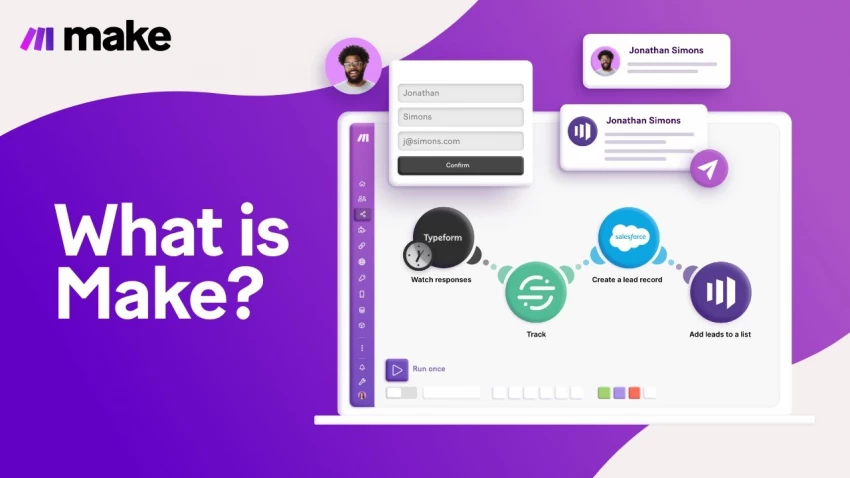
Make approaches automation differently. Instead of hiding complexity, it visualizes workflows step by step. This allows businesses to create conditional logic, loops, and multi path scenarios without writing code.
Make tends to be more cost effective than Zapier for complex workflows. It is often chosen by growing e commerce stores or service businesses that need order routing, conditional notifications, or data transformations.
The learning curve is slightly higher, but the payoff is greater control and lower long term costs.
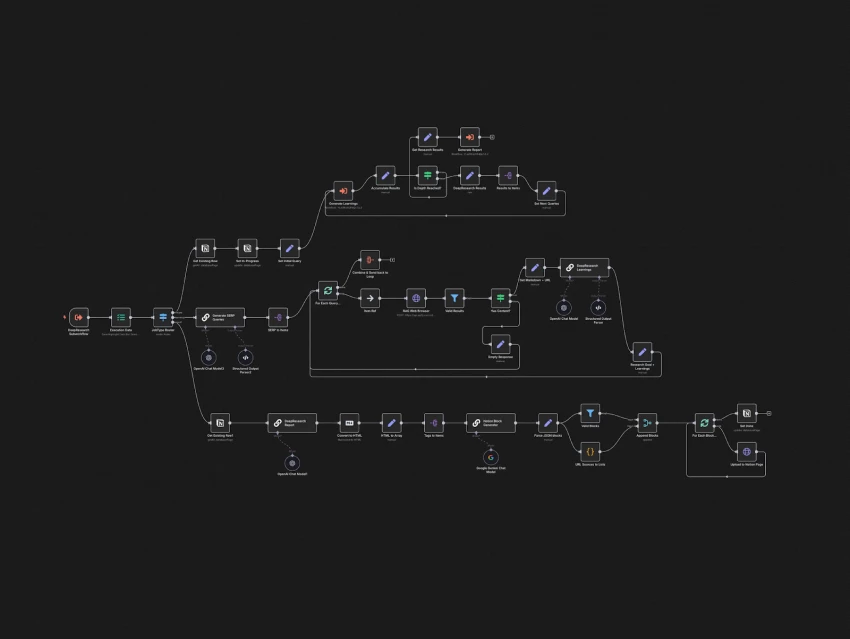
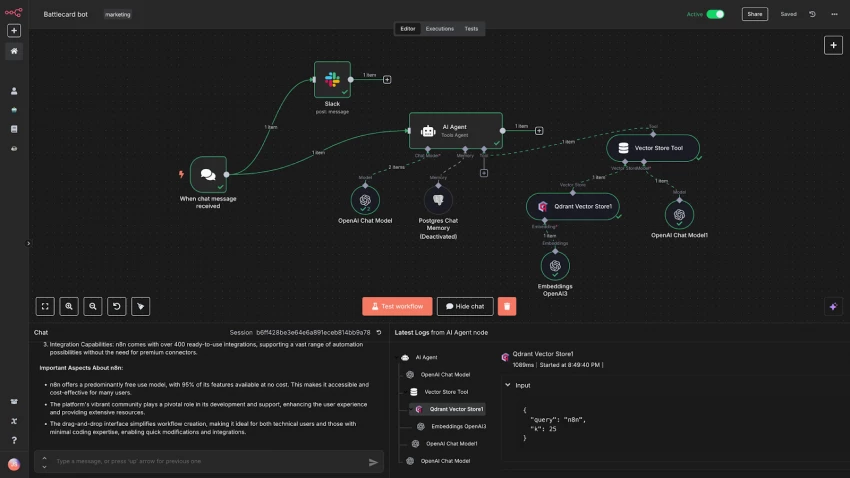
n8n is designed for teams that want maximum flexibility. It can be self hosted, which removes usage limits entirely aside from infrastructure costs. This makes it attractive for businesses with technical support or developers on hand.
The trade off is complexity. n8n requires server management and a stronger understanding of APIs. For non technical teams, it can feel overwhelming. For those who can manage it, n8n offers complete ownership and customization.
Marketing and Sales Automation Tools
Marketing and sales are often the first departments to adopt AI because the impact is visible and measurable.
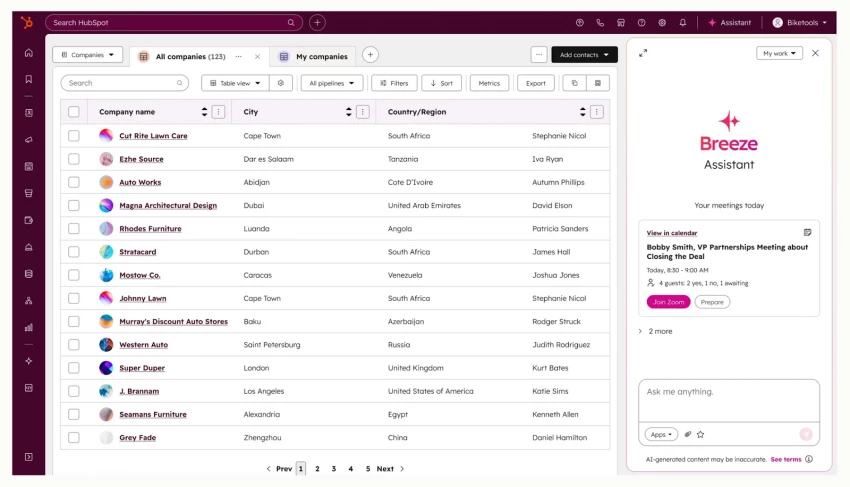
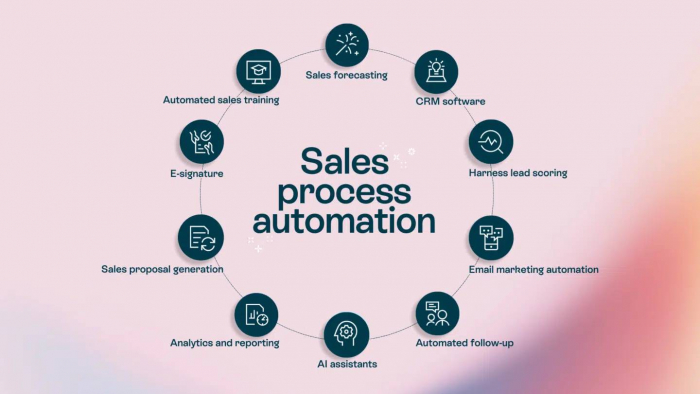
HubSpot remains a central platform for small businesses because its free CRM includes AI assisted lead scoring, content suggestions, and automated email personalization. Forms, chatbots, and pipelines work together in a single system.
The AI features help small teams focus on leads that are more likely to convert instead of treating all inquiries equally. This reduces wasted follow ups and improves response quality without adding staff.
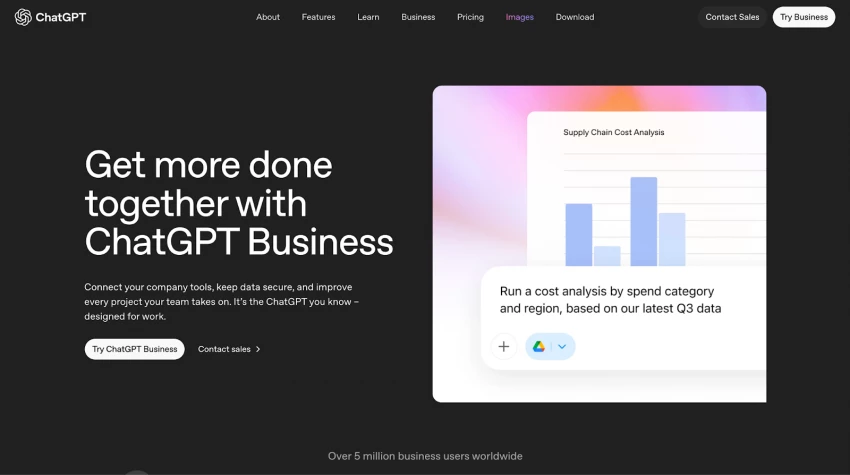
ChatGPT is widely used for drafting blog posts, FAQs, sales emails, and customer responses. In small businesses, it is often used as a supporting assistant rather than a replacement.
Teams use it to speed up writing, brainstorm messaging, and summarize customer feedback. When paired with clear brand guidelines, it can save hours each week while keeping tone consistent.
Social and Visual Automation Tools
Tools like Buffer, Flick, and Canva AI handle repetitive social media work. Captions are generated, posts are scheduled, and visual assets are created with minimal manual effort.
These tools are not about creativity replacement. They are about reducing the time spent on formatting, resizing, and posting so teams can focus on strategy and engagement.
HR and Internal Operations Automation
Small businesses often delay HR automation, even though it consumes a significant amount of time.
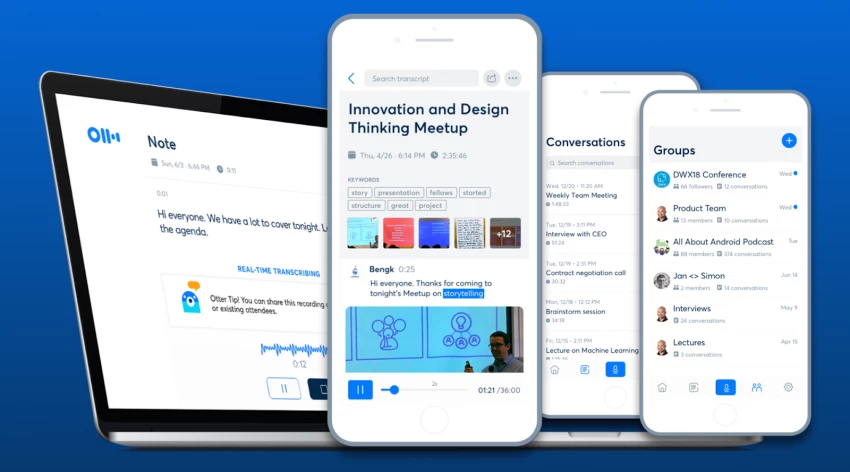
Otter.ai records and transcribes meetings automatically. For small teams, this eliminates manual note taking and ensures nothing important is missed. Summaries can be shared immediately.
Notion AI takes those notes and organizes them into structured documents, task lists, or internal knowledge bases. Together, they reduce confusion and repeated conversations.
AI Assisted Hiring Tools
Platforms like Zoho People and Eightfold use AI to screen candidates, track performance, and surface insights about skills gaps. These tools help small businesses make hiring decisions based on data rather than instinct alone.
Finance and Analytics Automation
Financial tasks are among the most repetitive and error prone activities in small businesses.
QuickBooks automates expense categorization, invoicing, and cash flow forecasting. For many businesses, this removes the need for manual spreadsheets entirely.
The AI forecasting features help owners anticipate shortfalls and plan spending more confidently, which is especially valuable during seasonal fluctuations.
Unified Business Platforms
Some newer platforms combine CRM, invoicing, and predictive analytics into a single system. These tools are not always as deep as specialized software, but they reduce tool sprawl and simplify reporting.
Free and Low Cost AI Automation Options
One reason AI adoption has accelerated is accessibility. Many of the Best AI Tools for Small Business Automation offer free tiers.
ChatGPT, Claude, and HubSpot Free CRM provide meaningful functionality at no cost. Zapier and Make allow basic automations without payment. Microsoft Clarity offers unlimited AI driven heatmaps for website behavior analysis.
These tools allow businesses to test automation without financial risk.
Common Challenges When Implementing AI Automation
Automation is not without friction. Task based pricing can become expensive at scale. Self hosted tools require maintenance. Some integrations appear strong on paper but lack depth in practice.
The most successful small businesses start with one workflow, often lead capture to CRM, and refine it before expanding. Data privacy and compliance also need attention, especially when customer data is involved.
No code interfaces reduce barriers, but training and experimentation are still necessary.
Real World Results from Small Businesses
A small outdoor e commerce retailer increased average cart value by 15 percent using AI driven product recommendations. A marketing agency automated meeting notes and proposal drafts, reclaiming nearly 20 percent of billable hours. A regional car rental business used AI to enable 24 hour operations without adding staff, competing with much larger companies.
These examples share one pattern. The businesses focused on specific pain points, not automation for its own sake.
Final Thoughts
The Best AI Tools for Small Business Automation are not defined by how advanced they sound, but by how quietly they work. When automation is effective, employees notice they have more time, not more software.
In 2026, small businesses no longer need enterprise budgets to benefit from AI. With careful selection, clear goals, and gradual implementation, automation becomes a practical advantage rather than a technical burden.