CivitAI made it incredibly easy to grab Stable Diffusion checkpoints and LoRAs, browse examples, and remix other people’s styles. At the same time, outages, surprise model removals, and policy shifts proved that depending on a single community site for your entire workflow is risky.
If you earn money, build a portfolio, or run experiments on top of AI art, you need a plan that does not crumble the next time one site changes its rules.
| Platform | What It Is In One Line | Primary Strength | Ideal User Type |
| CivitAI | Social hub for SD models and LoRAs | Huge SD catalog and active community | Everyday AI artists and tinkerers |
| Hugging Face | General open‑source model library | Longevity, documentation, versioning | Devs, studios, serious creators |
| Tensor.Art | Gallery plus in‑browser AI art generation | Instant testing plus community features | Artists who hate local setup |
| SeaArt AI | AI art platform with stronger backup culture | Stability, backups, creator protections | Creators worried about model loss |
| PromptHero | Prompt and image discovery engine | Learning prompts and styles quickly | Prompt learners and style hunters |
| Civarchive | Archive and mirror for CivitAI models | Recovery when CivitAI removes models | Power users with legacy workflows |
| Gradio stack | Self hosted model UI and front end framework | Full control over models and interface | Advanced users and small studios |

Hugging Face is where developers and researchers put models they want to remain findable and citable. It supports text, image, audio, video, and multi‑modal models, including many Stable Diffusion forks, LoRAs, and ControlNet weights.
While CivitAI is optimized for visual browsing, Hugging Face is optimized for clear model cards, licenses, and version history. This makes it ideal as a “serious” mirror for models you do not want to lose.
| Aspect | Hugging Face | CivitAI |
| Primary identity | General AI model hub | AI art and SD model gallery |
| Model scope | Multi‑domain (text, image, etc.) | Mainly Stable Diffusion ecosystem |
| Documentation depth | Detailed model cards and READMEs | Short descriptions with sample images |
| Version control | Built in and explicit | Limited version references |
| Best use | Long term, documented hosting | Fast SD model discovery |
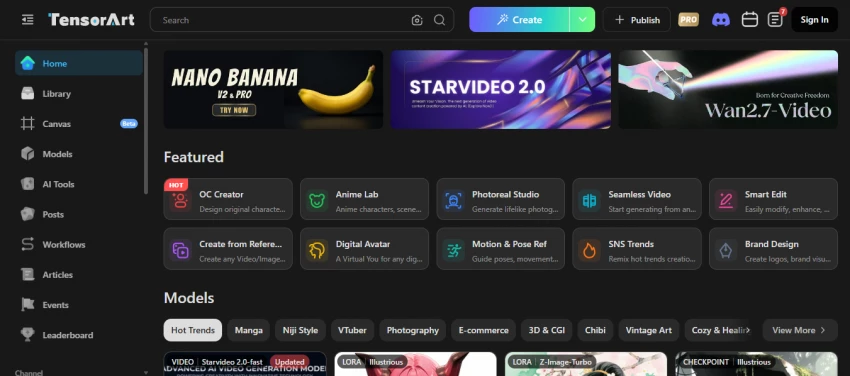
Tensor.Art gives you the one thing CivitAI users always wished they had by default: native on‑site image generation tied directly to the models you browse.
You can scroll a gallery of models, select one, tweak a prompt, and generate images immediately, all inside the browser. The platform keeps the social layer alive with feeds, comments, and contests.
| Aspect | Tensor.Art | CivitAI |
| Core experience | Browse and generate in the same place | Browse, then download for local use |
| On‑site generation | Yes, with an integrated UI | Limited, depends on external tools |
| Community features | Feeds, likes, comments, events | Feeds, comments, ratings |
| Beginner friendliness | Very high, no install needed | Medium, often needs a local pipeline |
| Best use | Instant testing plus community creation | Large scale SD model discovery |
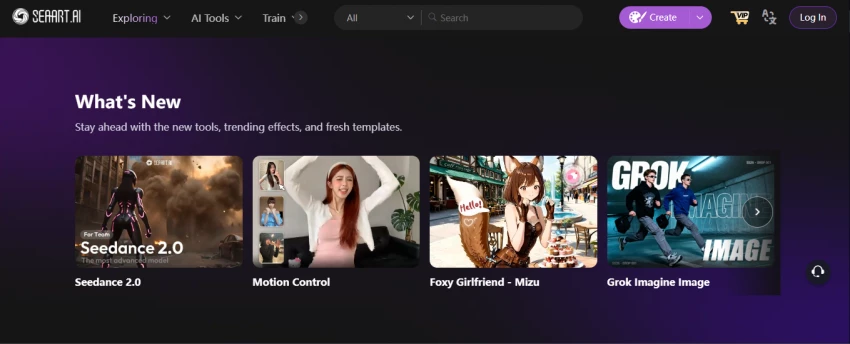
SeaArt AI positions itself as a more stable, artist‑centric ecosystem rather than just a file listing. It emphasizes creator protection, model backups, and a smooth, always‑available generation experience.
The catalog may be smaller than CivitAI’s, but the tradeoff is fewer nasty surprises. For many users, that reliability matters more than having every model under the sun.
| Aspect | SeaArt AI | CivitAI |
| Focus | AI art platform with style ecosystem | Repository of SD models and LoRAs |
| Model backup | Stronger backup and restoration culture | Models can disappear without recourse |
| On‑site generation | Full featured generation tools | Limited native generation |
| Creator protections | Features for verification and asset safety | Platform‑controlled, less transparent |
| Best use | Stable, long term art workflows | Fast discovery of many different models |

PromptHero exists for artists who care more about “How did they get that look?” than “Which file do I download?” It focuses on prompt and image discovery, letting you study how certain prompts map to styles, compositions, and moods.
CivitAI does show prompts, but PromptHero makes them the star of the show, which is ideal when your bottleneck is vocabulary, not hardware.
| Aspect | PromptHero | CivitAI |
| Main object | Prompts paired with example images | Model files and LoRAs |
| Learning value | Very high for prompt structure and style | Medium, prompts are visible but secondary |
| Model focus | Indirect, through styles and examples | Direct, per model page |
| Beginner suitability | Great for learning what to type | Great for learning what to install |
| Best use | Studying styles and building prompt skills | Building a local model collection |
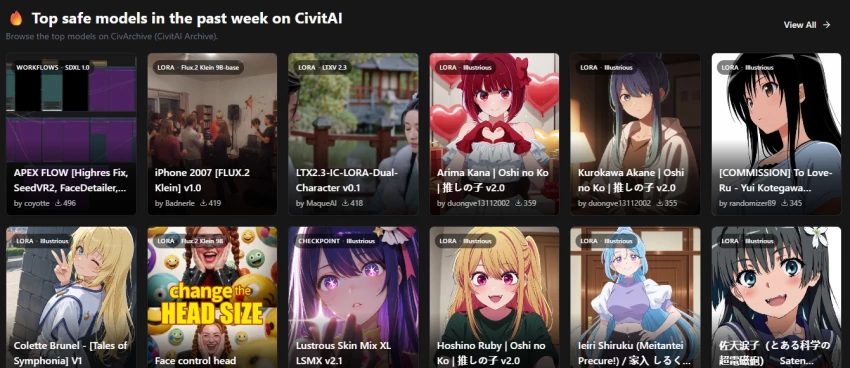
Civarchive and similar mirror projects were created because CivitAI sometimes removes models that people still depend on. They provide a safety net by archiving models and exposing them via hashes or preserved links.
These are not glossy platforms. They are insurance. For serious users, they are non‑negotiable.
| Aspect | Civarchive and mirrors | CivitAI |
| Purpose | Archive and recovery | Primary hosting and discovery |
| Interface | Minimal, often hash or ID based | Full gallery pages |
| Reliability role | Backup when CivitAI changes or removes | Source of original uploads |
| Usage pattern | Access only when something is missing | Daily browsing and downloading |
| Best use | Preventing broken pipelines | Finding new models and creators |
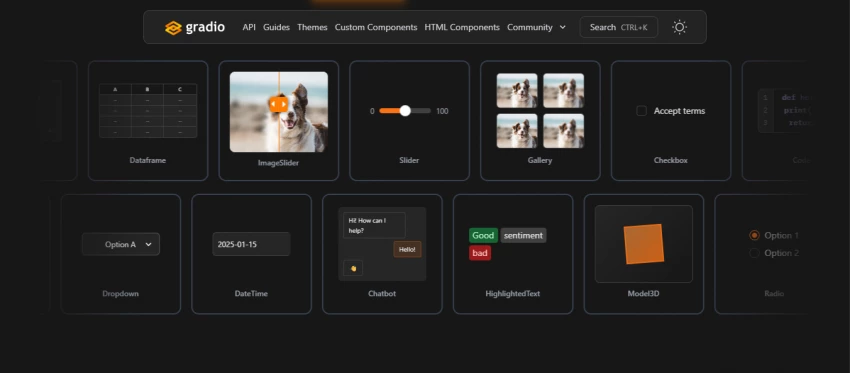
Gradio and similar frameworks are for users who are done playing platform roulette. You host the models yourself, wrap them in a simple web interface, and access them locally or from your own server.
You can still use CivitAI or Hugging Face as sources, but the day‑to‑day experience no longer depends on any third‑party site staying healthy or aligned with your preferences.
| Aspect | Gradio and self hosted frontends | CivitAI |
| Hosting | You host the models | Platform hosts the models |
| Interface | Custom UI you define | Predefined model and gallery UI |
| Dependency | No central external dependency | Fully dependent on one site |
| Technical barrier | Higher, requires setup | Lower, only requires account and browser |
| Best use | Studios and power users needing control | Everyday browsing and quick tests |
Rather than telling readers to abandon CivitAI, you will give them a blueprint that looks professional and realistic.
Be the first to post comment!

Unlucid AI built its reputation around “uncensored AI for dreamers,” with free o...
Suraj Malik6 hours ago

Artificial intelligence has learned how to write essays, generate images, and ev...
Suraj Malik3 weeks ago

Let’s be honest.Online learning has come a long way from static video lectures a...
Suraj Malik1 month ago

The NSFW AI companion market is no longer small or experimental. It has become s...
Suraj Malik1 month ago
Merlin AI is often installed casually,usually as a browser extension someone wan...
Suraj Malik1 month ago
There are generally two categories of people when it comes to presentations. Tho...
Suraj Malik1 month ago