Reviews
6 min read
Is SeaArt AI Safe to Use in 2026? A Forensic Timeline Investigation
SeaArt AI’s rapid rise has turned it into one of the most recognizable AI art tools on the market. But its reputation has become impossible to summarize with a single label. Instead of a conventional review, the most accurate way to understand SeaArt is to trace how its public perception evolved over time.
This timeline examines how SeaArt went from early hype, to controversy, to an unusual surge in positive ratings, and what that sequence reveals about the platform today.
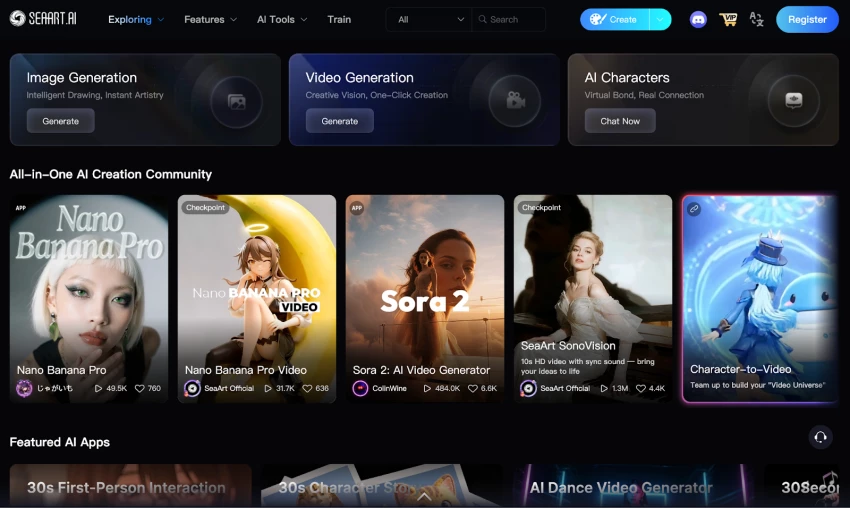
When SeaArt first emerged, the reaction from the creative community was overwhelmingly optimistic. The platform offered a generous free tier, high-quality outputs, and an interface that made AI art creation accessible even to beginners. Unlike more restrictive platforms, it permitted impressive stylistic freedom, and early adopters praised its smooth workflow, fast rendering, and well-organized tools.
Content creators on platforms such as TikTok and Reddit began showcasing polished characters and detailed compositions that looked far beyond what most beginners could produce on other generators. This early wave of attention positioned SeaArt as a legitimate competitor to established AI art tools, and many users migrated to it purely for its output quality.
During this phase, complaints were minimal. The narrative was dominated by excitement, experimentation, and widespread belief that SeaArt was on its way to becoming one of the leading AI art platforms of the decade.
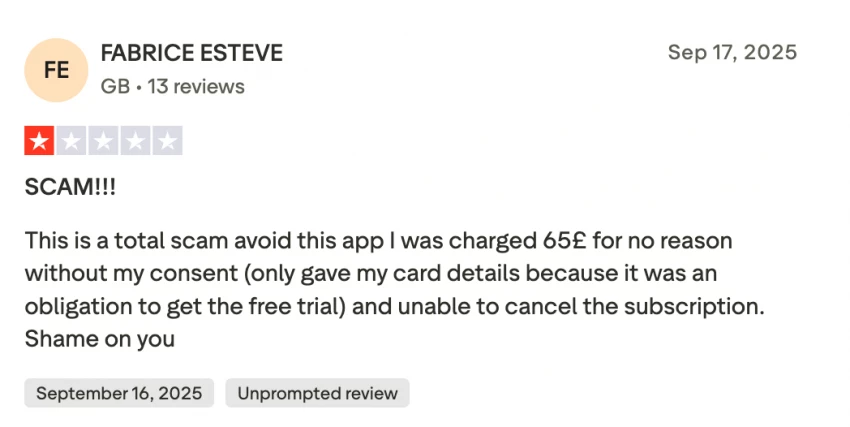
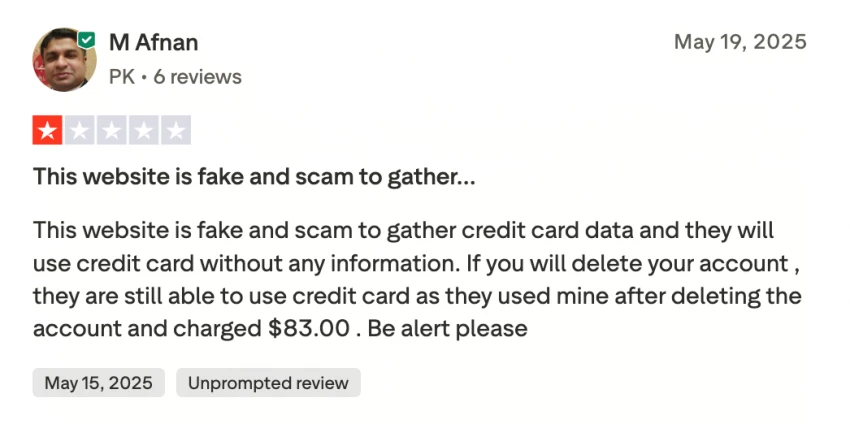
As the user base grew, a second phase emerged: consistent complaint patterns began appearing in public discussions. These were not isolated frustrations but recurring themes that repeated across unrelated users in multiple regions.
The early warning signs centered around billing irregularities. Users began reporting:
● Unexpected charges, often annual, even when selecting monthly options
● Cancellations that did not register, leading to continued billing
● Charges processed under unfamiliar third-party merchant names
● Lack of response from customer support, making refunds difficult
At the same time, creators began documenting problems with account stability. Reports emerged of users being unexpectedly locked out, losing credits, saved images, or entire project histories. With no clear explanation or appeal process, users were left without recourse.
Another issue gaining attention was the unreliable moderation system. Safe content was flagged as unsafe; mild themes were blocked without warning; and restrictions seemed to tighten unpredictably. Some users noted that the moderation appeared stricter after upgrading, an especially frustrating and counterintuitive pattern.
This phase marked the point when early technical enthusiasm was replaced with concern. SeaArt still produced excellent art, but the underlying structure supporting it showed signs of instability.
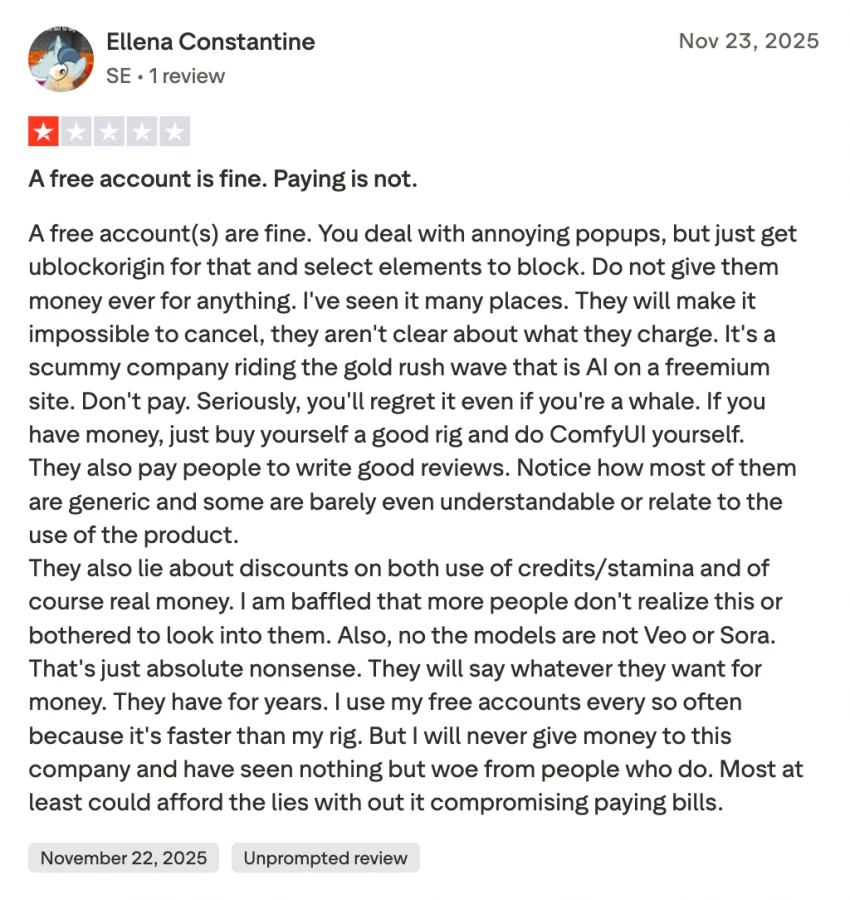
As these issues accumulated, public ratings began to reflect the growing dissatisfaction. Review platforms showed a sharp decline, with scores hovering at the lower end of the scale.
The negative reviews during this period were notably detailed, specific, and consistent. They pointed to real losses—lost accounts, lost money, lost data—not general irritation. Users described the same problems repeatedly, often in identical patterns.
This consistency mattered. When large groups of unrelated users describe the same events, it becomes a credible signal of systemic problems.
During this collapse, many creators began warning others to avoid adding payment information. Conversations on social platforms shifted from showcasing artwork to analyzing why SeaArt behaved unpredictably, and whether the platform could be trusted.
For a period, it looked as though SeaArt’s reputation had been damaged beyond recovery.

Then, something unusual happened.
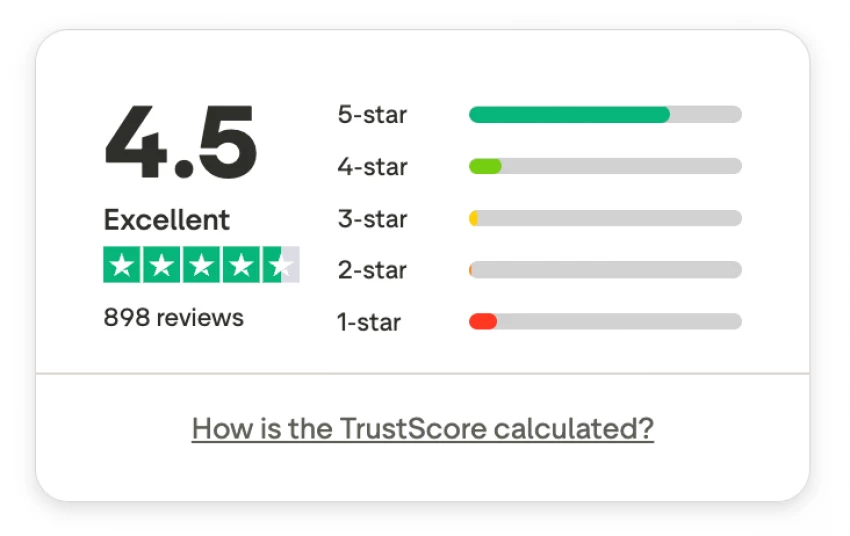
In a relatively short timeframe, SeaArt’s ratings on public review platforms underwent a dramatic improvement. Reviews that were once overwhelmingly negative were suddenly overshadowed by a large influx of 4-star and 5-star submissions.
Several characteristics of this shift stood out:
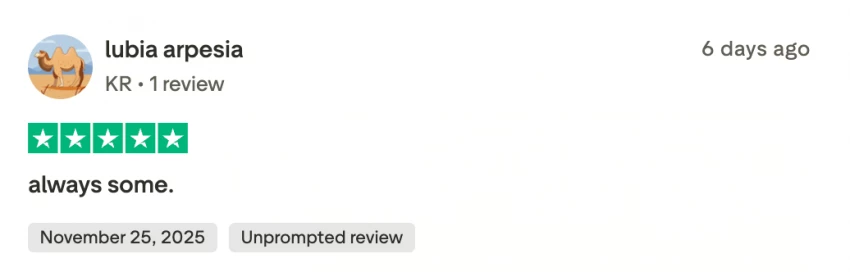
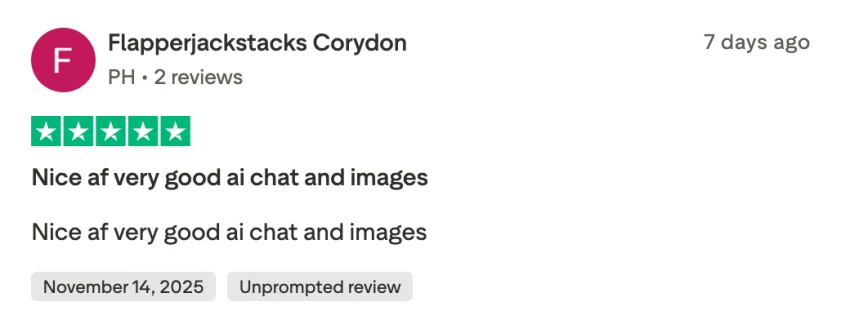
● Many new reviews were extremely brief, offering little detail about actual usage
● Some reviews praised the platform in generic, nonspecific language
● The number of positive reviews grew at an unusually fast pace
● The new ratings did not coincide with any major platform update or public announcement
● Meanwhile, the negative reviews remained highly detailed, describing the same unresolved issues
This pattern raised legitimate questions. While it is possible for a platform to improve rapidly, a sudden numerical turnaround without visible changes often suggests reputation management efforts, a practice not uncommon among companies facing public scrutiny.
Importantly, the surge in positive ratings did not correlate with a decline in ongoing complaints from users elsewhere. Issues involving billing, moderation, freezing, and account loss continued to be reported even as public rating averages rose.
This discrepancy forms one of the most important aspects of SeaArt’s modern identity: the numbers suggest recovery, but the documented user experiences do not fully support it.
In 2026, SeaArt occupies an unusual position. Its artistic capabilities remain strong—in some cases, among the best in its category. The free tier remains attractive, and for casual creators who generate images occasionally without storing sensitive work or linking payment information, the platform is functional and enjoyable.
However, the operational risks remain:
● Billing issues are still reported by new users
● Account bans without explanation continue to appear
● Support channels remain inconsistent or unresponsive
● Moderation filters remain unpredictable
● Performance issues, including freezing and long task delays, persist
At the same time, the public ratings paint a cleaner, more positive picture, creating a split between perception and experience.
This leaves prospective users in a complicated position. SeaArt can absolutely produce beautiful work. But the ecosystem surrounding the art generation—payments, data retention, account stability—continues to carry meaningful risks.
In practical terms, the safest way to use SeaArt today is to stay within the free tier, avoid storing critical work exclusively on the platform, and refrain from adding credit card details unless the company demonstrates sustained operational improvements.
When viewed chronologically, SeaArt’s story is not simply about an AI art tool with mixed reviews. It is the story of a platform that:
● Launched with strong technical promise
● Ran into major operational problems
● Suffered a severe hit to its public reputation
● Rebounded with a sudden, unexplained wave of positive ratings
● Continues to deliver excellent output but unreliable infrastructure
This timeline shows a disconnect between SeaArt’s creative potential and its system-level reliability. For anyone considering using SeaArt in 2026, the safest recommendation is clear:
enjoy the free capabilities, but avoid financial commitments until the platform proves its stability over time.

There was a time when every company website proudly displayed glowing customer t...
Suraj Malik10 hours ago

Imagine choosing a business partner, a SaaS tool, or a digital agency without ch...
Suraj Malik11 hours ago

I didn’t land on Monkeytype because someone told me it was “the best typing site...
Sakshi Dhingra11 hours ago

Online gaming in India has changed rapidly. What once meant casual mobile games...
Sakshi Dhingra11 hours ago

In today’s data-driven marketing landscape, clarity is often promised but rarely...
Michael Hicklen13 hours ago
I didn’t start analyzing Daman Games because of hype. I started because I kept s...
Sakshi Dhingra1 day ago
Didier Renard
Jan 23, 2026Je me méfie des sites qui utilisent une carte de crédit, hors jusqu'ici il y avait moyen de payer avec l'appli Paypal ce qui n'est plus le cas. Deux mode de payement son proposés Carte de crédit ou Google Pay! après ce que je viens de lire par rapport aux problèmes de facturation, je me méfie encore plus!