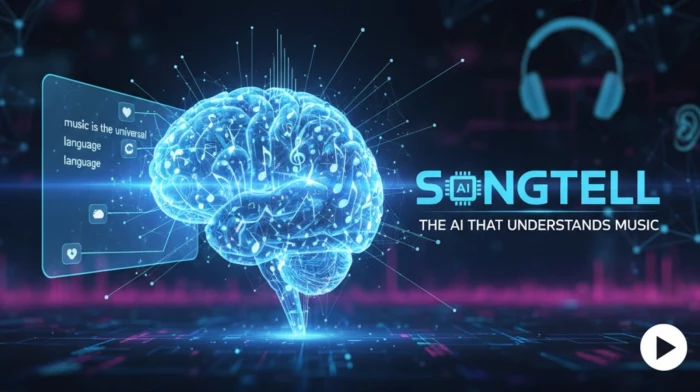
Meta Description: Discover how Songtell, an AI lyric interpretation tool, transforms how we understand music with emotional insights, cultural context, and verse-by-verse analysis.
Music has always been the world’s most universal language, but understanding what a song means is often another story. Listeners catch feelings and moods, but not always the intention behind the lyrics. This is where Songtell comes in.
Positioned at the intersection of music, language, and artificial intelligence, Songtell helps users uncover the emotional, poetic, and cultural depth of songs one verse at a time. Whether you’re a fan trying to decode your favorite track, a teacher bringing music into your classroom, or a songwriter looking for lyrical inspiration, Songtell aims to make meaning accessible to everyone.
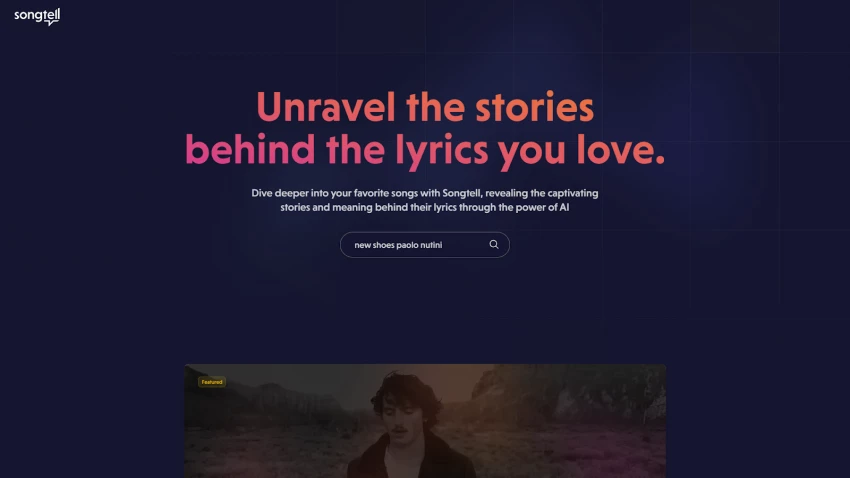
Songtell is an AI-powered platform that analyzes song lyrics and offers detailed interpretations based on language, tone, and cultural context. The platform uses advanced machine learning to read between the lines, literally helping users understand why a lyric feels powerful or what a songwriter might be trying to express.
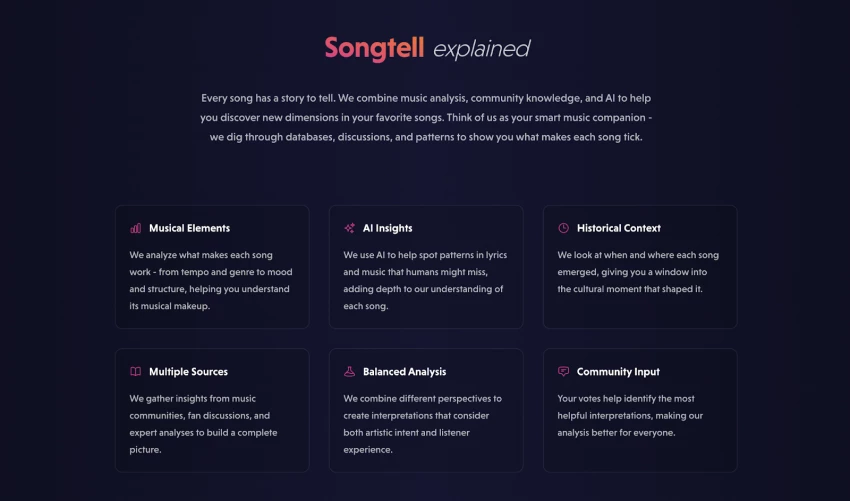
Songtell’s reach is impressive. With over 800,000 songs already analyzed and more being added regularly, it covers everything from pop hits to underground indie tracks. Each song entry includes detailed AI-generated meanings and related emotional cues.
Instead of giving a generic song summary, Songtell goes line by line. Users can click on any lyric and instantly receive insights about its symbolism, tone, and potential meaning. This feature is especially loved by students and educators dissecting lyrics in literature or cultural studies.
Like Shazam but smarter. Songtell can identify songs playing nearby, pull up their lyrics, and offer immediate analysis. Within seconds, users can see emotional breakdowns, artist info, and genre context for whatever they’re listening to.
While English remains its strongest domain, Songtell is expanding quickly into Spanish, Hindi, French, and Korean. This multilingual focus gives global listeners a way to experience music beyond language barriers.
Users can save favorite interpretations, create lyric-inspired playlists, and share their findings on social media. The platform also hosts community discussions, allowing fans to debate meanings or add human perspectives to AI interpretations.
Many schools and universities are now integrating Songtell into music and poetry classes. Teachers use it to explain figurative language, tone shifts, and narrative voice, making music analysis a bridge between art and education.
| Plan | Features | Price |
|---|---|---|
| Free (Ad-Supported) | Basic lyric search, AI summary, community access | Free |
| Premium | Ad-free, deeper verse-by-verse interpretations, export tools | $3–$10/month |
The freemium model ensures anyone can use it without sign-up, though premium users enjoy a smoother, ad-free experience and more detailed analysis.
Songtell’s interface is clean and intuitive lyrics on one side, insights on the other. Users can toggle emotional tone graphs, see word frequency breakdowns, or explore similar songs with thematic overlap.
The real magic lies in how natural the AI’s explanations feel. Instead of technical jargon, Songtell uses relatable, poetic language. For example, a verse from Taylor Swift might be described as “a quiet confession of nostalgia, masked by confidence,” which feels less like code and more like conversation.
| Pros | Cons |
|---|---|
|
|
| Tool | Core Focus | User Base |
|---|---|---|
| Songtell | AI lyric meaning & emotion | Educators, fans, creators |
| Genius | Community annotations | Music lovers & lyric nerds |
| Musixmatch | Synced lyrics | General listeners |
| LyricFind | Licensed lyric access | Businesses & apps |
| SoundHound | Music recognition | Everyday listeners |
Songtell stands out because it’s not just about lyrics, it’s about understanding them. While Genius relies on crowd-sourced explanations and Musixmatch focuses on syncing lyrics, Songtell offers the missing layer of AI-powered interpretation.
Feedback across music and AI communities has been overwhelmingly positive. Users praise its poetic tone and its ability to humanize AI output. Teachers call it “a bridge between art and analytics,” while fans appreciate how it uncovers “the heart behind the words.”
Critics note that while the interpretations can sometimes overreach, the platform’s learning model continues to refine itself through usage and feedback, so it only gets better with time.
All signs point to yes. While no AI can perfectly replicate human emotion, Songtell comes closer than any tool before it. It blends technology and creativity in a way that honors both the artist’s intent and the listener’s curiosity.
With its growing song library, smart design, and educational potential, Songtell doesn’t just interpret lyrics it translates emotion into understanding.
Yes, it offers a free tier with ads. Premium subscriptions unlock deeper interpretations and an ad-free experience.
They’re impressively close to literary analysis but still AI-generated. Songtell provides emotional and cultural insight, not official artist commentary.
Absolutely. Many educators integrate Songtell into music and poetry lessons for richer classroom engagement.
Yes, but it’s still expanding. English support is strongest, with new languages being added regularly.
Yes. Its real-time recognition tool identifies songs instantly and brings up lyrics with AI analysis.
Genius is crowd-sourced, and Musixmatch focuses on lyric syncing. Songtell focuses on AI-driven meaning, emotion, and literary depth.
Be the first to post comment!
I’ll admit it, SpicyChat AI is one of those tools you don’t exactly open with “s...
Vivek Gupta4 days ago
For months, the global AI industry has lived in a state of suspended animation w...
Vivek Gupta1 week ago
In today’s fast-moving digital landscape, intelligent software that can act inde...
Mighva Verma3 weeks ago

In today’s business world, customer expectations have shifted dramatically. Peop...
Mighva Verma3 weeks ago

Top AI Transcription Tools Designed for TeamsRemote and hybrid teams are drownin...
Mighva Verma1 month ago
In today’s content-saturated world, merely producing more isn’t enough. Smart cr...
Mighva Verma1 month ago