
Imagine choosing a business partner, a SaaS tool, or a digital agency without checking reviews first. For most buyers today, that feels almost reckless. In a world flooded with options, business review platforms have become the psychological shortcut we rely on to make confident decisions.
But here’s the real question: why do customers trust review platforms so deeply, especially B2B-focused ones like Genius Firms?
The answer lives at the intersection of human psychology, decision fatigue, and social validation. Let’s unpack what’s really happening inside the buyer’s mind.
Traditional marketing tells a polished story. Reviews tell a messy one.
And the human brain prefers messy truth over polished promises.
Psychologists call this peer credibility bias, we instinctively trust people who appear similar to us more than institutions selling to us. When a buyer reads a review written by “a CTO at a mid-sized SaaS company” or “a startup founder,” it feels relatable. The reader subconsciously thinks:
“If it worked for someone like me, it might work for me too.”
Platforms like Genius Firms thrive because they don’t speak for businesses, they let other buyers speak instead.
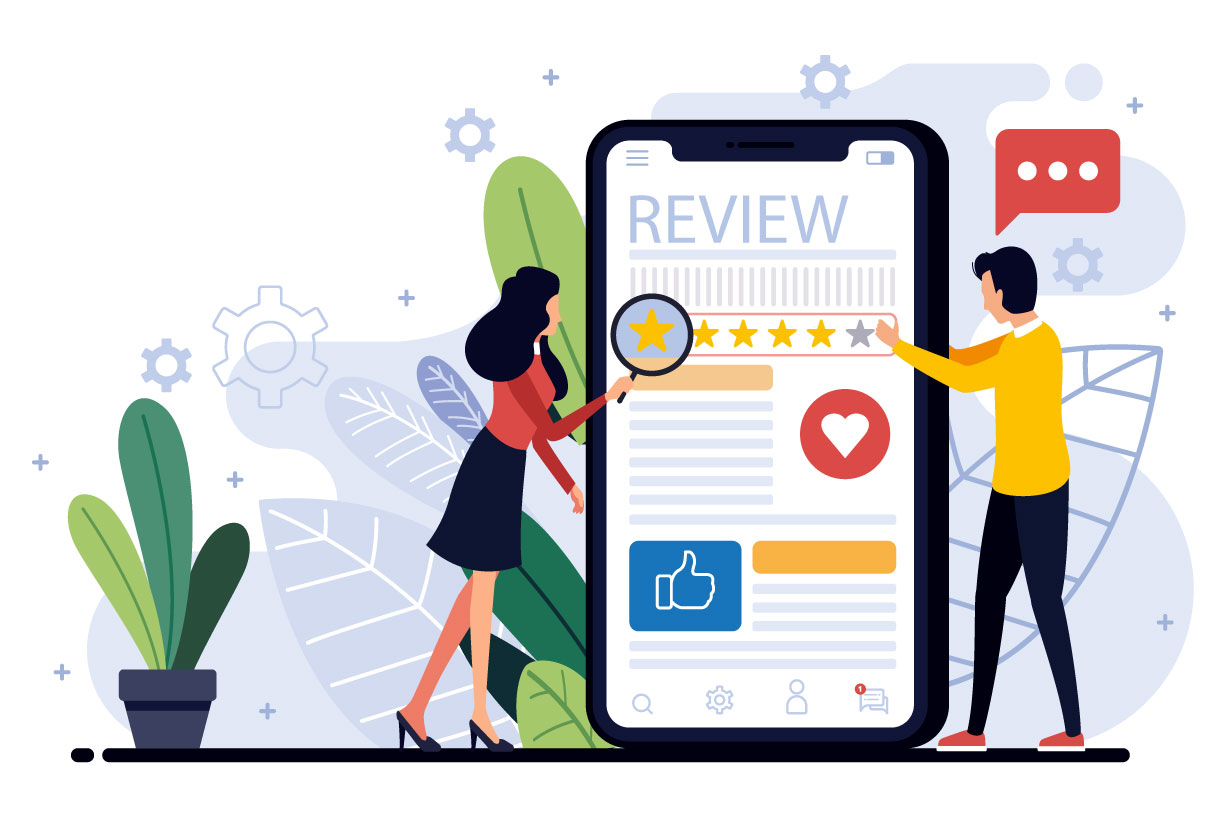
One of the strongest psychological forces behind review platforms is social proof, the idea that when we’re uncertain, we look to others for guidance.
In business decisions, uncertainty is everywhere:
Seeing dozens or hundreds of reviews reduces perceived risk instantly.
Even negative reviews help. Paradoxically, a mix of praise and criticism feels more trustworthy than a wall of five-star perfection. Our brains associate balance with honesty.
That’s why platforms that show:
feel more “real” than brand-owned testimonials.
Modern buyers are exhausted.
They’re comparing pricing pages, feature lists, case studies, and demos across multiple vendors. This overload creates decision fatigue, a mental state where the brain looks for shortcuts.
Reviews become that shortcut.
Instead of analysing everything from scratch, buyers scan:
This allows them to outsource part of the decision to the collective experience of others. Review platforms win trust because they simplify complexity without oversimplifying reality.
Not all review platforms feel equal.
People instinctively trust platforms that show signs of authority:
Genius Firms, for example, positions itself not just as a review site but as a research-backed B2B directory. This taps into authority bias, our tendency to trust systems that appear structured, expert-led, and data-driven.
The moment a platform looks organized and intentional, the brain shifts from scepticism to acceptance.
One of the biggest psychological trust triggers is transparency.
Buyers trust platforms that:
When platforms admit limitations or show their process openly, they feel less manipulative and more human.
Ironically, the more a platform tries to look flawless, the more users suspect it.
There’s a myth that business decisions are purely logical.
They’re not.
B2B buyers fear:
Reviews act as emotional insurance. When a decision is backed by third-party validation, buyers feel safer defending it internally:
“This wasn’t just my opinion, others recommended it too.”
Platforms like Genius Firms become a confidence layer, not just an information source.
A feature list tells you what a product does.
A review tells you what it feels like to use it.
Our brains are wired for storytelling. Detailed reviews that mention:
The reader mentally simulates the experience, which is far more persuasive than technical data alone.
This is why long-form, experience-based reviews often influence decisions more than star ratings.
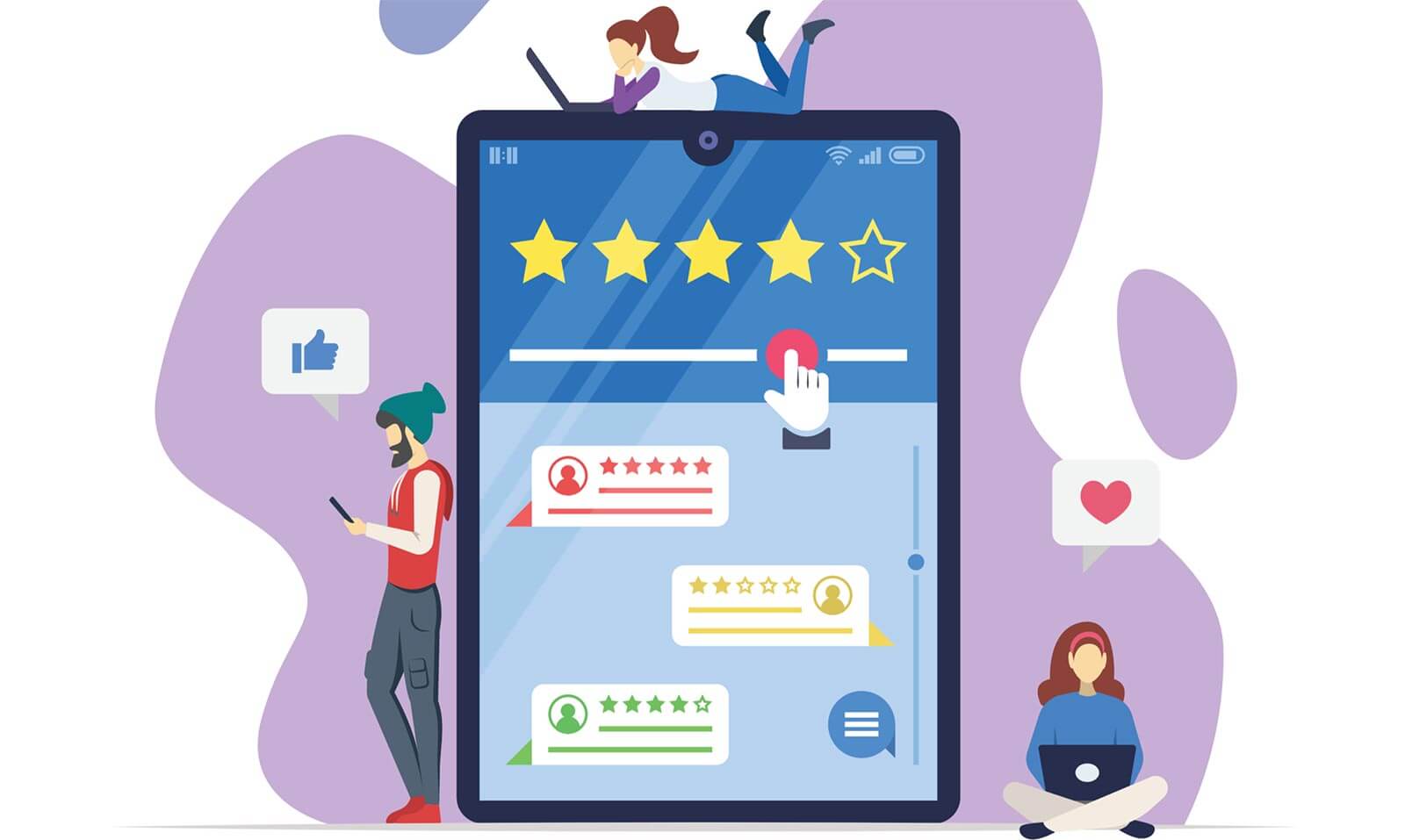
Company websites answer:
Review platforms answer:
That contrast is powerful.
In psychology, this is known as information asymmetry correction, reviews balance the one-sided narrative of marketing with lived experience.
The SEO Loop: Why People Keep Coming Back
From a behavioural standpoint, review platforms benefit from a self-reinforcing loop:
Over time, trust compounds. Familiarity breeds comfort, and comfort breeds loyalty.
The reason customers trust platforms like Genius Firms isn’t magic, marketing, or algorithms alone.
It’s psychology.
Humans trust:
In an economy where choices feel endless and mistakes feel costly, review platforms become the emotional and cognitive anchor buyers desperately need.
And that’s why, before making a decision that matters, most people don’t ask brands anymore.
They ask the crowd.
Be the first to post comment!

There was a time when every company website proudly displayed glowing customer t...
Suraj Malik7 hours ago

I didn’t land on Monkeytype because someone told me it was “the best typing site...
Sakshi Dhingra7 hours ago

Online gaming in India has changed rapidly. What once meant casual mobile games...
Sakshi Dhingra8 hours ago

In today’s data-driven marketing landscape, clarity is often promised but rarely...
Michael Hicklen10 hours ago
I didn’t start analyzing Daman Games because of hype. I started because I kept s...
Sakshi Dhingra1 day ago
I don’t judge remote-desktop software by feature lists alone. I judge it by how...
Sakshi Dhingra1 day ago