The hidden visibility problem most brands misdiagnose
When teams talk about visibility, they usually mean traffic. Rankings, impressions, reach. But for products sold through marketplaces and third-party platforms, visibility fails far more often at a different layer: credibility under scrutiny.
A product can rank well, advertise aggressively, and still lose momentum once buyers encounter doubt. Is this authentic. Is it consistent. Is this the same product I will actually receive.
Product verification exists precisely in this gap. It does not create attention. It stabilizes trust once attention already exists. That distinction is why the top benefits of getting your product verified on a "site Name" and where those benefits materialize are often misunderstood.
Verification is not a badge, it is a gate
Most modern verification systems operate as gates, not labels.
Instead of signaling quality after purchase, they determine whether a product is allowed to move through a platform at all. Verification happens before listings go live, before fulfillment, and before customers receive goods.
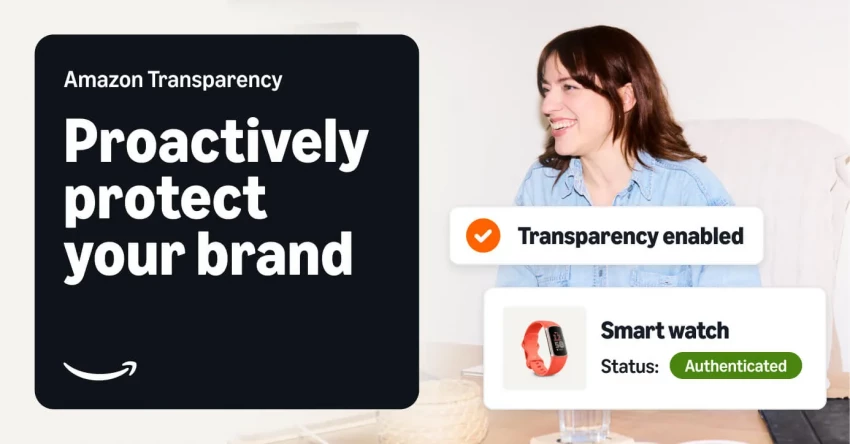
Using Amazon Transparency as a reference point, each unit carries a unique identifier that must pass validation before it can be shipped. If the code fails, the product stops there. No appeal to marketing claims. No post-hoc enforcement.
This model matters because it shifts verification from a reactive function to a preventive one. Problems are intercepted before they become customer experiences.
Where verification creates its strongest advantage
Verification delivers uneven value depending on environment. It is most effective in ecosystems where openness introduces risk.
Large marketplaces, global fulfillment networks, and reseller-heavy channels benefit disproportionately. As distribution expands, control weakens. Verification restores that control without requiring constant manual oversight.
Brands selling across regions also gain leverage. Programs like Amazon Transparency apply protections globally once enrolled, removing the need to manage separate defenses per market. That consistency becomes more valuable as scale increases.
Counterfeiting is the obvious benefit, but not the most strategic one
Preventing counterfeit products is the most visible outcome of verification, but it is not the most interesting.
The strategic advantage lies in predictability. Verified systems reduce variance. Fewer hijacked listings. Fewer incorrect variations. Fewer unexplained customer complaints.
Amazon reports billions of units protected through Transparency, but the real gain for brands is not the number. It is the reduction in noise. Fewer exceptions mean fewer reactive processes, fewer escalations, and fewer reputational risks that marketing teams must later patch.
Trust is built after purchase, not before it
One of the more subtle shifts in verification is its customer-facing role.
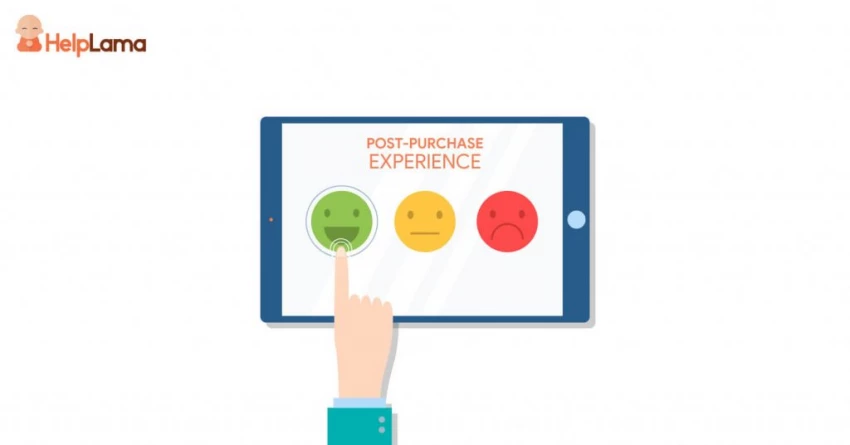
Verification used to be invisible to buyers. Today, confirmation badges, scan results, and post-purchase authenticity checks surface directly in the ownership experience.
This matters because trust is often evaluated after the transaction. When customers confirm authenticity themselves, uncertainty disappears at a moment when doubt typically emerges.
Over time, this shows up indirectly. Fewer returns tied to incorrect items. More stable reviews. Lower friction in repeat purchases. The brand becomes associated with reliability without explicitly claiming it.
Operational intelligence is the least exploited benefit
Most brands underestimate how much verification improves internal decision-making.
Unit-level and batch-level identifiers generate data. Patterns in failed scans, rejected shipments, or returns often point directly to specific manufacturing runs or partners.
Instead of broad corrective actions, teams can intervene precisely. This shortens resolution cycles and reduces collateral disruption.
For brands operating across complex supply chains, this insight often proves more valuable than the original anti-counterfeit use case.
Viewing verification through outcomes, not features
Reframing verification around outcomes clarifies its role.
Outcome Area
Operational Effect
Long-Term Impact
Authenticity enforcement
Invalid units stopped pre-shipment
Lower brand risk
Buyer reassurance
Post-purchase confirmation
Stronger repeat behavior
Supply chain clarity
Traceable failures
Faster corrections
Marketplace stability
Fewer listing disruptions
Easier scaling
This framing avoids treating verification as a growth tactic. It is infrastructure. It makes other efforts work more reliably.
When verification adds cost without leverage
Verification is not universally beneficial.
Brands with tightly controlled distribution, low imitation risk, or early-stage products may see limited returns. If scale is small and channels are closed, the operational overhead can outweigh immediate benefits.
Verification becomes wasteful when adopted symbolically rather than functionally. If it does not solve an existing risk, it simply introduces friction.
How verification compares to adjacent systems
Verification is often confused with adjacent trust mechanisms, but they solve different problems.
System
Primary Role
Where It Fits
Amazon Transparency
Unit authentication
Marketplace enforcement
Verified by GS1
Product data accuracy
Retail catalog hygiene
Trustpilot verification
Review integrity
Conversion trust
Legit Check
Authenticity inspection
Luxury and resale
Mature brands frequently combine these systems. Verification handles physical integrity. Review verification handles perception. Data registries handle consistency.
Enrollment is straightforward, discipline is not
Most programs require basic proof of brand ownership, trademarks, and valid identifiers. Enrollment itself is procedural.
The real cost is ongoing compliance. Code accuracy thresholds, correct application, and consistent execution matter more than approval.
Verification systems are unforgiving of sloppiness. That is precisely why they work.
Where verification becomes a competitive moat
Verification becomes defensible when competitors ignore it.
Brands that enforce authenticity experience fewer disruptions and smoother marketplace operations. Over time, this compounds into faster expansion and fewer trust gaps during growth.
The advantage is rarely obvious quarter to quarter. It shows up in fewer fires, not higher headlines.
The actual decision brands need to make
The decision is not whether verification is good or bad.
The decision is whether your business model creates enough surface area for risk that verification meaningfully reduces uncertainty.
If it does, verification pays for itself quietly. If it does not, it becomes overhead.
Understanding the top benefits of getting your product verified on a "site Name" and where those benefits actually materialize is what separates infrastructure investments from cosmetic ones.
Verification does not make products better. It makes reality harder to fake.