AMD Redefines Computing Era with Next-Generation AI and Gaming Processors at CES 2026
by Parveen Verma - 2 months ago - 3 min read
The landscape of personal computing has reached a pivotal turning point as AMD officially pulled back the curtain on its most ambitious processor lineup to date during the CES 2026 keynote in Las Vegas. Leading the charge into a future defined by local artificial intelligence, Chair and CEO Dr. Lisa Su introduced the world to the Ryzen AI 400 Series and the formidable Ryzen 7 9850X3D, signaling a decisive shift in how both mainstream users and hardcore enthusiasts will interact with their devices. This new silicon architecture is not merely an incremental update but a complete re-engineering of the silicon fabric, designed to meet the skyrocketing demands of generative AI and high-fidelity gaming.
At the heart of the announcement is the Ryzen AI 400 Series, a collection of mobile and desktop processors specifically engineered for the next wave of Copilot+ PCs. These chips are built upon the cutting-edge "Zen 5" CPU architecture and feature a significant leap in neural processing power. The flagship Ryzen AI 9 HX 475 boasts an industry-leading NPU capable of 60 trillion operations per second (TOPS), effectively setting a new benchmark for on-device AI efficiency. This represents a 20% improvement over the previous generation, allowing for seamless multitasking and content creation that AMD claims is up to 1.3 times faster than its nearest competitors. By integrating XDNA 2 technology, these processors ensure that complex AI tasks, from real-time video translation to local large language model execution, occur with minimal latency and maximum battery preservation.
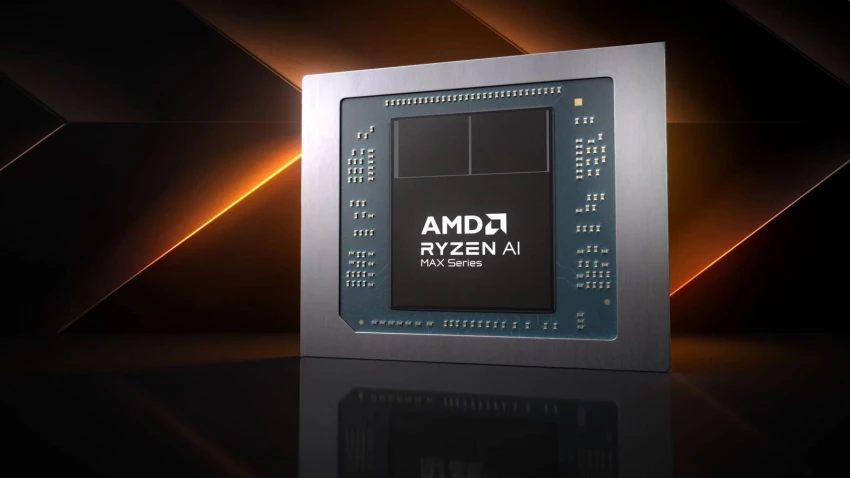
For the enthusiast and professional markets, AMD expanded its "Strix Halo" family with the introduction of the Ryzen AI Max+ 392 and 388 models. These processors are unique in their ability to bridge the gap between traditional laptop chips and high-end discrete GPUs. Featuring up to 12 Zen 5 cores and an unprecedented 40 RDNA 3.5 graphics compute units, the Max+ series provides workstation-class performance within the thermal constraints of ultra-thin notebooks and compact mini-PCs. The Ryzen AI Max+ 388, in particular, has caught the eye of the gaming community; by pairing 8 high-performance cores with a full 40-core GPU on a single die, it eliminates the communication bottlenecks typically found in multi-chiplet designs, offering a streamlined powerhouse for handheld gaming devices and portable workstations.
Gaming enthusiasts received perhaps the most electrifying news with the debut of the Ryzen 7 9850X3D. Crowned as the world’s fastest consumer gaming processor, this 8-core beast utilizes AMD’s signature 3D V-Cache technology to deliver a staggering 104MB of total cache. With boost speeds reaching 5.6GHz, the 9850X3D is engineered to dominate CPU-intensive titles, providing up to a 27% performance advantage over rival flagship hardware. This processor represents the pinnacle of AMD’s "Zen 5" desktop innovation, ensuring that high-frame-rate gaming remains accessible without the need for the most expensive enthusiast-tier platforms.
The broader implications of these releases extend far beyond raw numbers. AMD’s strategy for 2026 focuses on a "multi-layered fabric" of AI, weaving intelligence into every level of the computing experience. This vision is supported by the new ROCm 7.2 software stack, which brings professional-grade AI development tools to the Windows ecosystem for the first time. As major manufacturers like ASUS, HP, and Lenovo prepare to launch systems powered by these new chips in the first quarter of 2026, the era of the "AI PC" has transitioned from a marketing concept into a tangible reality for millions of users worldwide.