Android 16 Is on 7.5% of Devices in Latest Distribution Numbers Update, Progress or Just Another Fragmentation Chapter?
by Vivek Gupta - 1 month ago - 5 min read
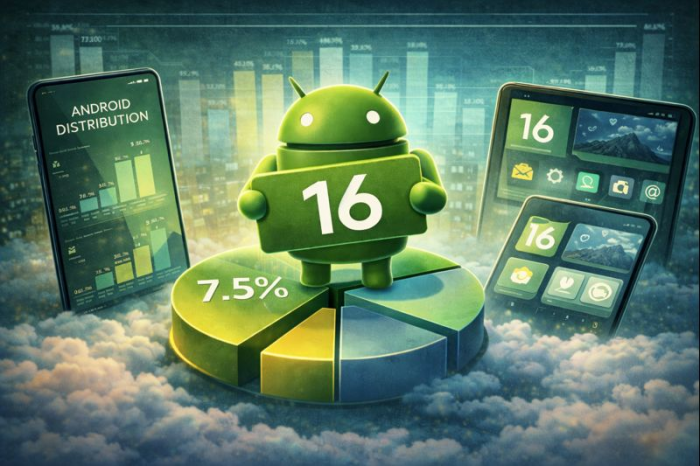
The latest platform statistics released by Google show that Android 16 is now running on 7.5% of active devices worldwide, just seven months after its official public rollout. On paper, that percentage might look modest, but in Android terms, it actually represents a meaningful improvement in how quickly updates are reaching users.
Still, the celebration is cautious. While Android 16 adoption is accelerating compared to earlier versions, the ecosystem continues to wrestle with fragmentation, the long-standing challenge where millions of devices run outdated software because updates arrive slowly or never arrive at all.
In short, Android is moving forward, just not at sprint speed.
The Numbers Behind the Headline
Android 15 remains the most widely used version, powering 19.3% of devices globally, followed closely by Android 14 and Android 13. Meanwhile, older versions continue to hold surprising shares of the market, especially in regions where phones are used for many years before replacement.
This means a large portion of Android users still run operating systems released one or even two years ago, sometimes longer. Devices bought in 2022 or 2023 often stop receiving major upgrades even though they still function perfectly well for everyday tasks.
And yes, somewhere right now, someone is proudly texting from a phone that still thinks Android 10 is cutting edge technology.
Why Android 16’s Growth Matters
The 7.5% adoption figure actually signals progress. Earlier Android versions took longer to reach similar levels of usage, partly because manufacturers needed months to customize updates for their own devices.
This time, updates started earlier and rolled out faster. Major manufacturers such as Samsung Electronics accelerated deployments across flagship and mid-range models, helping Android 16 spread more quickly across premium devices.
Even so, Android still trails behind the update speed seen in Apple’s ecosystem. Devices running Apple software typically receive new versions much faster because Apple controls both hardware and software updates directly.
Android, on the other hand, relies on dozens of manufacturers and carriers, each with their own schedules.
What’s Helping Android 16 Spread Faster?
Several improvements have boosted update momentum this time around:
• Earlier release timing gave manufacturers extra months to prepare updates
• Companies now promise longer update support for newer devices
Another important change is Google’s modular update system, which delivers many improvements through Google Play services without requiring a full operating system upgrade. That means security fixes and new features can reach devices even if they never officially receive Android 16.
In other words, your phone might quietly get smarter without asking permission or interrupting your day.
Fragmentation, Android’s Forever Problem
Android’s biggest strength is also its biggest challenge. The platform runs on thousands of different devices at nearly every price point, from budget smartphones under $150 to premium foldables costing ten times as much.
That diversity keeps phones affordable worldwide, but it also creates problems:
• Many devices stop receiving updates after only two or three years
• Carrier testing and manufacturer customization delay rollouts significantly
As a result, developers must support multiple Android generations at once, making app development more complex compared to platforms with faster upgrade cycles.
Fragmentation is not exactly a bug; it is simply the cost of Android’s openness.
Why Updates Matter More Than People Think
For many users, updates feel optional, something postponed until the battery is low or Wi-Fi feels slow. But software updates are less about visual changes and more about protection.
Each monthly patch fixes vulnerabilities that hackers actively try to exploit. Devices running outdated versions face higher risks from malware, app exploits, and privacy leaks. Some banking or payment apps may also stop supporting older systems over time.
So, when your phone asks you to update, it is not just nagging you. It is quietly trying to protect your data.
The Developer Perspective
For app developers, these distribution numbers are more than statistics. They influence how apps are built and tested.
Most developers aim to support versions covering roughly 90% of devices. Right now, that means apps often must run smoothly on Android versions released as far back as 2019.
Supporting such a wide range increases testing complexity, development time, and maintenance costs. New features available in Android 16 cannot always be fully used if developers must maintain compatibility with much older systems.
In short, fragmentation creates extra work behind the scenes that users rarely notice.
So, Is Android Finally Catching Up?
Not quite, but improvements are visible. Update rollouts are faster, support policies are improving, and manufacturers are cooperating more closely with Google than before.
Still, Android’s global reach and open ecosystem mean it will probably never match the uniform adoption seen in Apple’s tightly controlled environment. And that might not be entirely bad, since Android’s flexibility allows billions of people to access smartphones at affordable prices.
Progress exists, even if it sometimes feels slow.
What Happens Next?
Looking ahead, analysts expect Android 16 adoption to rise steadily through 2026 as more devices receive updates and new phones ship with the software preinstalled.
Upcoming Android releases will likely continue focusing on faster updates, improved security, and stronger integration with AI powered features, foldable devices, and mixed reality hardware.
In other words, Android’s evolution continues, even if distribution numbers take time to reflect it.
The Bottom Line
Android 16 reaching 7.5% adoption shows the ecosystem is improving, even if fragmentation still dominates the landscape.
Older versions remain widespread, developers continue juggling compatibility challenges, and update timelines still vary by brand and region. Yet rollout speeds are improving and users are gradually benefiting from better security and performance.
And if history repeats itself, by the time many users finally receive Android 16, Android 17 will already be making headlines.
Welcome to Android updates, where progress always arrives, just fashionably late.