Apple Sets Stage for Standoff with New Delhi Over Mandatory State-Run App Installation
by Mighva Verma - 3 months ago - 3 min read
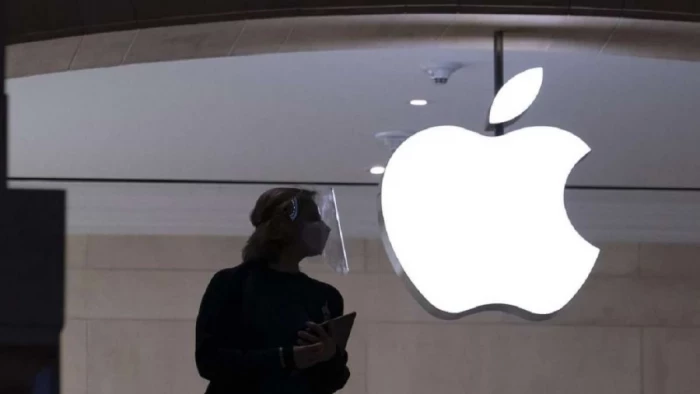
Apple is reportedly preparing to resist a controversial directive from the Indian government that mandates the pre-installation of a state-run cybersecurity application on all smartphones. The confidential order, which targets major device manufacturers including Apple, Samsung, and Xiaomi, requires
companies to preload the "Sanchar Saathi" app on all new devices within 90 days. Sources close to the matter indicate that the iPhone maker intends to firmly communicate its refusal to comply, citing significant concerns over privacy and the integrity of its iOS ecosystem.
This refusal sets the stage for a potential high-stakes regulatory clash in one of the world's largest smartphone markets, just as political opposition and privacy advocates raise alarms over what they describe as a "surveillance state" expansion.
The pie chart shown below tells the market share of Mobile Companies
_1764678505.webp)
The directive, issued by India's Department of Telecommunications, is aggressive in its scope. Not only must the app be installed on all new handsets, but manufacturers are also instructed to push the software to existing devices via over-the-air updates. Furthermore, the government has stipulated that the app must be non-removable, effectively stripping users of the ability to delete or disable it.
Officials defend the move as a critical national security measure designed to curb the rampant issue of stolen mobile phones and digital fraud. The Sanchar Saathi platform, launched earlier this year, allows users to track lost devices and verify the authenticity of phones using IMEI numbers. The government argues that mandatory adoption is necessary to prevent the tampering of device identifiers and to protect Indian citizens from cyber threats.
However, Apple views the mandate as a fundamental violation of its global operating philosophy. The tech giant has historically maintained a strict policy against pre-loading third-party or government software on its iPhones, arguing that such practices compromise device security and user experience. Industry insiders suggest that Apple executives will argue that complying with New Delhi's order would set a dangerous precedent, potentially emboldening other nations to demand similar access to the closely guarded "walled garden" of the iPhone. The company is expected to highlight that no other market in the world currently forces the pre-installation of a non-removable government application, characterizing the order as an overreach that threatens the privacy of millions of users.
The political fallout from the order has been swift and severe. Critics, including opposition leaders and digital rights activists, have branded the move as a "Big Brother" tactic. They fear that a mandatory, non-removable government app could serve as a backdoor for mass surveillance, giving authorities unchecked access to the personal data of India's 730 million smartphone users. One industry source, speaking on condition of anonymity, described the government's approach not merely as a "sledgehammer" but as a "double-barrel gun" pointed at user privacy. As the deadline for compliance approaches, the industry braces for a tense negotiation period where the definitions of national security and personal privacy will be hotly debated.