Claude Can Now Read Your WordPress Site, and It Only Takes a Few Clicks
by Suraj Malik - 1 month ago - 3 min read
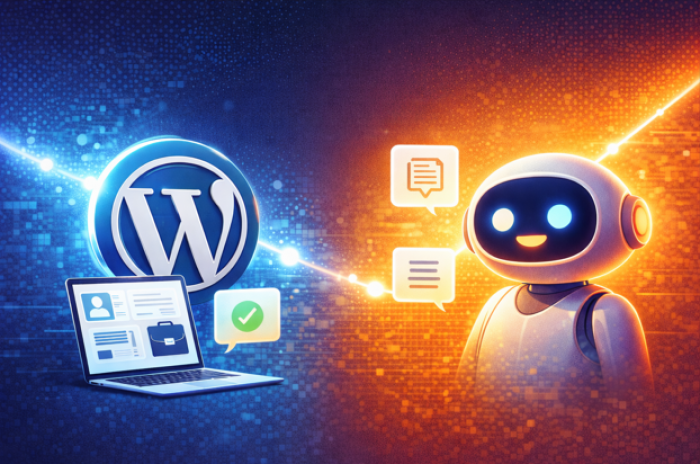
WordPress.com has quietly flipped a switch that makes AI assistants far more useful for site owners. The company has launched an official Claude Connector, allowing Anthropic’s chatbot to read WordPress content directly through a secure, standardized connection.
The result is a new way to interact with your website. Instead of clicking through admin menus or exporting data, you can now ask Claude questions about your posts, pages, and comments and get instant answers.
From Dashboard to Conversation
With the new connector enabled, Claude can access your WordPress.com site as a live information source. It can search posts, fetch content, and review comment queues, all through the Model Context Protocol.
That means questions like:
- Which posts are no longer performing well
- What comments are waiting for moderation
- Which articles mention a specific topic and may need updates
are answered in seconds, without manual digging.
For busy site owners and editors, this turns WordPress from a dashboard-heavy tool into something closer to a conversational control panel.
Setup Is Designed to Be Low Risk
The connector is available to WordPress.com users on paid plans. Once MCP is enabled in the account settings, users can connect their site inside Claude by selecting WordPress.com from the connectors list and logging in through an OAuth flow.
Permissions are limited by design. Claude currently has read-only access. It cannot edit posts, change settings, or publish content. Users can revoke access at any time, making the integration easy to test without long-term commitment.
This conservative approach is intentional, especially at a time when AI tools are raising concerns about overreach and unintended automation.
Built on a Shared AI Standard
The integration relies on WordPress’s MCP Adapter, which exposes site content through standardized tools that AI systems understand. This same foundation is already used by other AI tools and developer workflows.
Before the official connector, some third-party plugins allowed deeper AI control over WordPress sites. Those tools often required custom setup and broader permissions. The new official option trades power for safety and simplicity.
WordPress has suggested that write access could come later, but only after establishing trust and clear guardrails.
Why This Is a Bigger Deal Than It Looks
This launch is not just about Claude or WordPress. It signals a shift in how websites may be managed in the future.
Instead of logging into CMS interfaces to analyze performance or review content, site owners may increasingly rely on AI assistants to surface insights on demand. WordPress and Anthropic are effectively testing what that future looks like, starting with visibility rather than action.
For content-heavy sites, blogs, and networks, this could change how audits, reviews, and planning are done.
A First Step Toward AI-Managed CMS Workflows
Right now, the Claude connector lets AI observe, not act. But even that changes the relationship between site owners and their tools.
When an assistant can understand your site structure and content in real time, it becomes easier to spot problems, identify opportunities, and make informed decisions faster.
WordPress.com ’s move makes that possible without exposing sites to unnecessary risk. And while the connector is limited today, it sets the groundwork for a future where managing a website might start with a question instead of a click.