Consumers Cheer, Investors Shrug: Apple’s Record iPhone Quarter Meets Wall Street Doubt
by Suraj Malik - 1 month ago - 4 min read
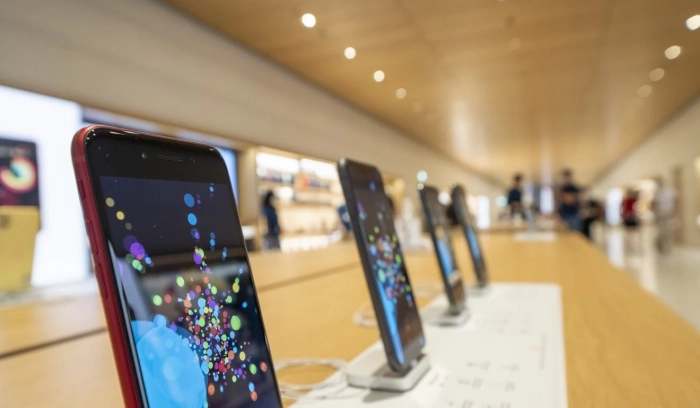
A blockbuster holiday quarter usually sends a tech giant’s stock soaring. This time, it didn’t.
Apple Inc. delivered its strongest quarterly results in more than four years, smashing expectations on revenue, profit, and iPhone sales. Yet investor reaction remained muted, revealing a growing disconnect between consumer enthusiasm for Apple’s products and market concerns about the company’s future in an AI-driven tech landscape.
The contrast highlights a key question facing the world’s most valuable consumer technology brand: can hardware dominance translate into leadership in the age of artificial intelligence?
Record Numbers Across the Board
Apple reported quarterly revenue of $143.8 billion, up 16% year over year, while earnings per share rose 19% to $2.84, both comfortably beating Wall Street forecasts.
Operating cash flow reached a record $53.9 billion, and gross margins expanded to 48.2%, reflecting strong pricing power and a profitable mix of premium products and services.
CEO Tim Cook called it a quarter “for the record books,” emphasizing broad-based strength across product categories and regions.
But the real headline came from the iPhone.
iPhone Demand Surges to All-Time High
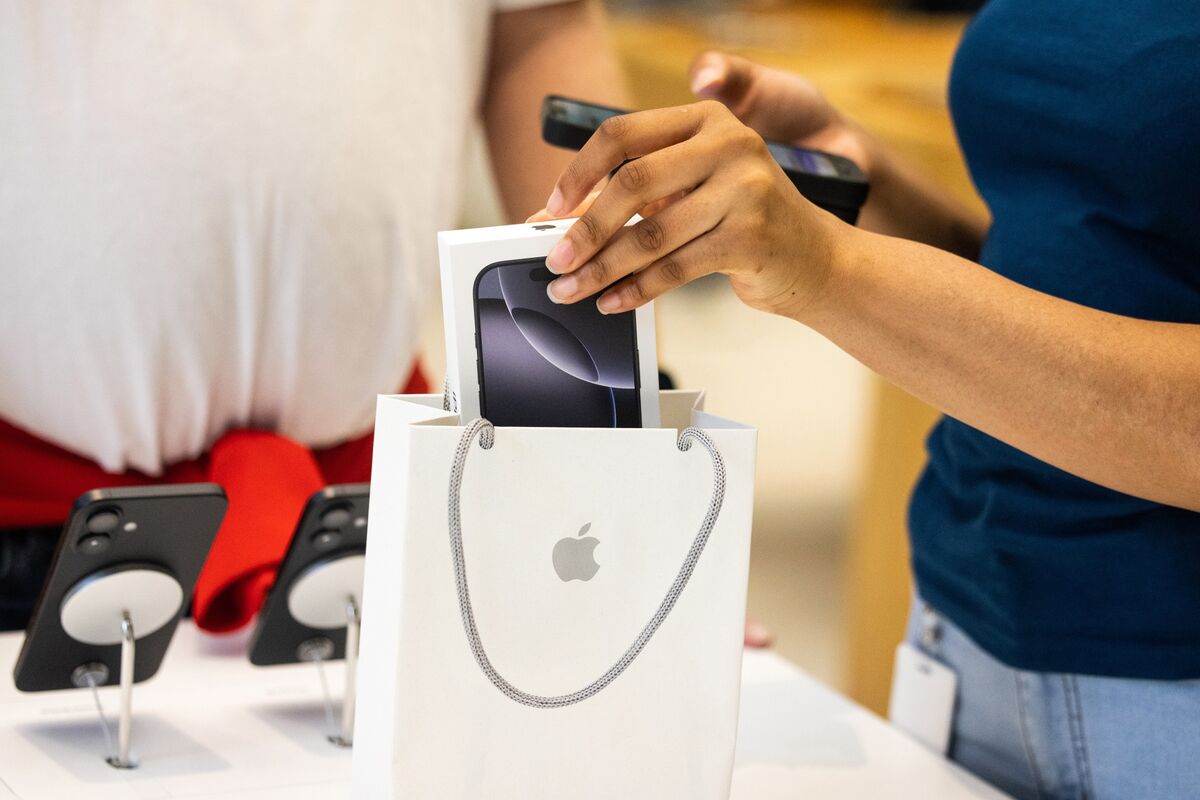
iPhone revenue surged 23.3% year over year to $85.27 billion, the largest quarterly total in the product’s history and Apple’s fastest iPhone growth rate in four years.
The latest Pro models drove upgrades thanks to improved performance, camera capabilities, and battery life, while Apple also recorded strong growth from customers switching from competing platforms.
Cook described demand as “simply staggering,” noting that Apple saw record upgrade activity even in markets where analysts expected weakness.
The iPhone now accounts for roughly 59% of Apple’s total revenue, underscoring how central the device remains to the company’s fortunes.
China Rebounds Strongly
One of the biggest surprises came from Greater China, where revenue climbed 38% year over year to $25.5 billion.
That surge reversed concerns from recent quarters that domestic competitors and economic pressures were eroding Apple’s position. Instead, Apple recorded its highest-ever upgrade activity among existing iPhone users in mainland China, along with strong customer switching trends.
The rebound weakens last year’s narrative that Apple was losing ground in one of its most critical growth markets.
Services Continue Quiet Expansion
Beyond hardware, Apple’s Services division posted another record, generating $30 billion in revenue, up roughly 14% year over year.
Services - which include the App Store, iCloud subscriptions, Apple Music, AppleCare, and payment services -carry significantly higher margins than hardware and now represent over one-fifth of company revenue.
The steady growth reinforces Apple’s long-term strategy of building recurring revenue streams tied to its ecosystem of devices.
So Why Didn’t the Stock Rally?
Despite the impressive numbers, Apple shares rose less than 1% in after-hours trading following the results - a restrained reaction compared to moves seen elsewhere in tech earnings season.
According to analysis from CNBC, investor hesitation centers on one theme: artificial intelligence.
While Apple has begun rolling out “Apple Intelligence” features, many investors see rivals moving faster and investing more aggressively.
Recent earnings reactions underscore how markets are currently rewarding companies perceived as AI leaders. Shares of Meta Platforms surged after showing tangible AI-driven gains, while Microsoft faced a sharp selloff as investors questioned returns on heavy AI spending.
Meanwhile, competitors including Alphabet, Amazon, and AI specialist Open-air continue pushing rapidly evolving AI platforms that some investors fear could reshape how users interact with technology - potentially reducing reliance on smartphones.
In short, investors are less concerned with Apple’s current success and more focused on whether the company can remain central in a world increasingly driven by AI assistants and ambient computing.
The Consumer–Investor Divide

For consumers, the message is clear: they continue to buy iPhones in record numbers, remain loyal to Apple’s ecosystem, and upgrade willingly when new models offer compelling features.
Investors, however, are looking further ahead.
The debate now centers on whether Apple’s hardware-led model can evolve quickly enough for the next computing shift — one defined less by devices and more by intelligent software platforms.
What Happens Next?
Several factors will determine how the story unfolds in 2026:
- Whether iPhone momentum continues beyond the holiday season
- How quickly Apple expands its AI capabilities across devices
- Continued growth in Services revenue
- Sustainability of China’s rebound
- Competitive pressures in AI-powered ecosystems
For now, Apple has delivered near-perfect results — but in today’s market, perfect quarters aren’t always enough.
The paradox remains: consumers are thrilled, yet investors are still waiting to be convinced.