Fitbit’s Founders Return with Luffu, an AI Platform Built for Family Health—Not Just Fitness
by Suraj Malik - 1 month ago - 4 min read
The founders of Fitbit are back but this time, they’re not trying to help people count steps or close activity rings.
James Park and Eric Friedman, who sold Fitbit to Google for $2.1 billion in 2021, have launched Luffu, an AI-powered platform designed to help families manage health across generations.
Their goal is simple but ambitious: reduce the mental and emotional load placed on family caregivers by turning scattered health data into meaningful, timely insights.
From Personal Fitness to Family Responsibility
Fitbit’s original mission focused on individual health, tracking your own activity, sleep, and heart rate. Luffu reflects a different reality the founders encountered later in life.
As parents and caregivers themselves, Park and Friedman found that modern healthcare places enormous responsibility on one person in the family often a busy adult managing children, aging parents, and their own health at the same time.
Health information lives everywhere: apps, emails, pill bottles, lab reports, wearable dashboards, and doctor portals. Luffu exists to pull all of that into one place and make sense of it.
What Luffu Actually Does
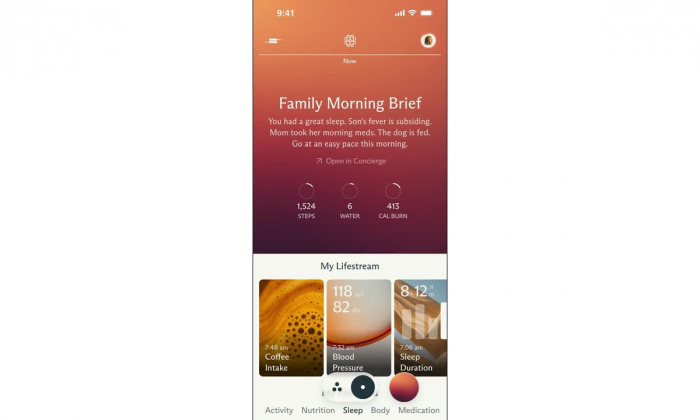
Luffu works as a shared family health hub. It connects to popular health platforms like Apple Health and Fitbit, while also allowing families to add information manually using voice, text, or photos.
Once connected, Luffu’s AI learns what “normal” looks like for each family member sleep patterns, activity levels, medication routines and watches quietly in the background.
Instead of constant notifications, the platform focuses on meaningful changes, such as:
- a missed medication
- unusual drops in activity
- sleep disruptions
- abnormal vital trends
Each day, caregivers receive a simple summary highlighting what changed and what might need attention.
Designed as a “Guardian,” Not a Surveillance Tool
One of Luffu’s defining ideas is what the founders call ambient awareness.
The platform is designed to avoid making elderly relatives feel monitored or controlled. Instead of tracking everything in real time, it only surfaces information when something truly matters.
This approach is meant to preserve independence while still giving caregivers peace of mind especially during emergencies, when doctors often ask questions families struggle to answer quickly.
A Growing Market with a Real Pain Point
Luffu enters a rapidly expanding market for caregiver and family health apps, estimated to reach $12–15 billion globally over the next decade.
Several forces are driving this growth:
- aging populations
- more chronic conditions
- complex medication routines
- families caring for relatives across distance
In the U.S. alone, tens of millions of people act as unpaid caregivers, and many report burnout from managing health logistics on top of work and family life.
Despite the size of the problem, the market remains fragmented. Most existing apps focus on just one task medications, scheduling, or communication rather than the full family picture.
The Biggest Threat: Apple’s Own Health Push
Luffu’s timing is both an opportunity and a risk.
Apple is preparing its own major expansion of health services, expected to bring AI-driven coaching and insights directly to hundreds of millions of devices. With deep integration and massive distribution, Apple could quickly dominate general health management.
Luffu’s founders believe their advantage lies in focus. While Apple may prioritize individual health, Luffu is built specifically for family caregiving, including elderly users who may struggle with complex apps.
Whether that distinction is enough remains an open question.
How Luffu Might Make Money
Luffu has not announced pricing, but industry observers expect a subscription model, with basic features free and more advanced AI insights available through a monthly plan.
If successful, the platform could also expand into partnerships with employers, insurers, or healthcare systems looking to reduce avoidable hospitalizations through early intervention.
What Success Would Look Like
Luffu does not need to replace major health platforms to succeed. Even capturing a small share of caregivers willing to pay for meaningful relief could build a large, sustainable business.
More importantly, it represents a shift in how health technology is designed not around devices or metrics, but around real human responsibility.
The Bigger Picture
Luffu reflects a broader trend in health technology: moving beyond raw data toward systems that understand context, relationships, and change over time.
Whether Luffu becomes a standalone leader, a niche success, or an acquisition target, its launch highlights a growing realization in healthcare tech health is rarely an individual problem anymore.
For Park and Friedman, it’s a return not just to startups, but to a deeper question: how technology can support families when health becomes complicated, emotional, and urgent.