From Boardrooms to Backstages: How Jeff and Lauren Bezos Became Fashion’s Most Unlikely Power Couple
by Vivek Gupta - 1 month ago - 6 min read
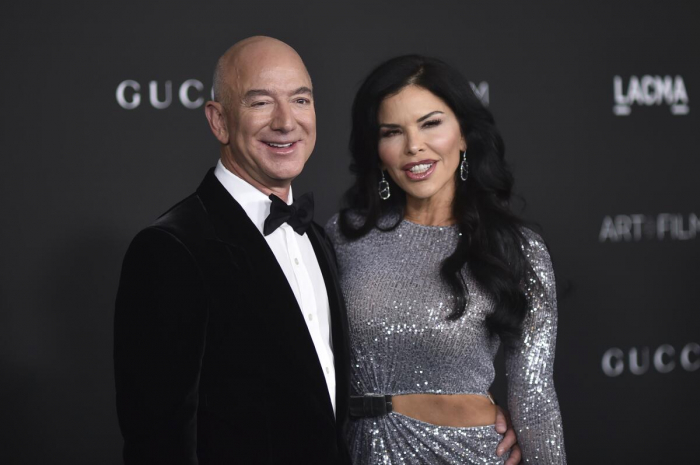
During Paris Haute Couture Week in January 2026, all eyes weren’t on the usual icons, not even the ones dressed like walking art installations. Instead, the spotlight followed Jeff Bezos and Lauren Sanchez Bezos, as they swept through the world’s most exclusive fashion shows with the ease of seasoned veterans and the swagger of people who knew exactly what they were doing.
They didn’t just show up. They showed everyone how it’s done when billionaires decide to pivot into style.
48 Hours That Changed Everything
It began on a Monday morning: Lauren Sanchez Bezos arrived at the Schiaparelli Spring/Summer 2026 show wrapped in a scarlet suit that screamed power with every gold button. The tailoring was so sharp it could have sliced through the gray Paris fog. Her red Gianvito Rossi stilettos clicked against the marble floor as social media went into overdrive.
Jeff, never one to steal the spotlight, played it cool in an all-black ensemble, sunglasses included. Inside. It wasn’t mysterious, it was intentional.
Later that evening, at the Christian Dior Haute Couture show the debut of Jonathan Anderson as creative director, Lauren doubled down. She wore a vintage Dior from the Galliano era: a shag-collared blue-gray jacket, fur lining brushing against a strategically visible lace bra. The skirt, fringed and fitted, moved like confidence. She topped it off with a Lady Dior Himalayan lizard bag, a rare gem that quietly whispered, “Yes, I belong here.”
After the show, they didn’t just leave. They went backstage. That’s not something anyone can do. They laughed with Jonathan Anderson, posed with Delphine Arnault, and soaked in the kind of access that usually takes years to earn, unless your name carries the weight of two empires.
Tuesday: Couture Meetings and Statement Moves
The next day, Lauren visited the Schiaparelli atelier with none other than Law Roach. Known for reshaping celebrity images and reviving vintage, Roach brings a level of sartorial precision that signals this isn’t just a phase for Lauren it’s a project.
That day’s look? A 2004 Versace red-and-white tweed set, white Jimmy Choo pumps, a Schiaparelli bag, and those rose-tinted sunglasses again. Law Roach confirmed the Dior suit from the night before was archive proof of taste curated, not guessed. This was less about flexing a bank account and more about placing chess pieces.
The Bigger Picture: Why This Isn’t Just About Fashion
Let’s zoom out.
The Bezoses have been tightening their ties with the Arnault family owners of the LVMH luxury empire. They attended Trump’s inauguration together in 2025, then followed it up with champagne toasts backstage at Dior in 2026. These aren’t coincidences. This is how global influence quietly consolidates.
Add Anna Wintour to the picture. Lauren was seen sharing a car with the Vogue icon herself, which in fashion terms is equivalent to receiving the papal blessing. Wintour even defended their Met Gala sponsorship amid public criticism, calling Lauren “a great lover of costume.” That’s high praise from the woman who basically curates the definition of elegance.
The Met Gala Backlash: Money Talks, But Critics Shout
The announcement that the Bezoses would sponsor the 2026 Met Gala stirred the internet like a Dior gown caught in a fan.
People weren’t just curious. They were furious. Should billionaires known for rocket ships and retail really fund a celebration of costume history? And yet, it wasn’t new. Corporations have bankrolled the gala for years, just quietly. The issue here was the name on the invitation.
Too loud. Too personal. Too visible.
But visibility is the point. In fashion, you don’t blend in. You own your entrance.
Is Condé Nast Next?
Industry murmurs suggest Bezos might be eyeing Condé Nast, the publishing giant behind Vogue. He already owns The Washington Post. Vogue would give him not just culture clout, but a direct runway into the closets and minds of the fashion world.
The idea? Combine Amazon’s scale with Vogue’s taste. Revive Amazon’s failed “Luxury Stores” and rewrite the fashion e-commerce rulebook.
And maybe, just maybe, hand Vogue over to Lauren as a power move disguised as a wedding gift.
Mixed Reviews from the Front Row and Online
Not everyone is applauding. Christine Piciè, once editor-in-chief at Harper’s Bazaar, defended them. “Lauren is clearly a significant spender,” she said. “She’s exactly the kind of patron fashion thrives on.”
Luxury consultant Mario Ortelli echoed that. “If someone like Bezos could do anything, yet chooses to engage with fashion, it only proves the industry’s lasting power.”
But Gholnaz Golkar, a former British Vogue editor, wasn’t as generous. “She wears couture like it’s Zara,” she quipped. “Money can’t buy innate style.”
Online reactions were no gentler. Her Vogue wedding feature was dragged. Her Met Gala looks critiqued for being “intense” rather than elegant. And yet, isn’t that the very currency of modern fashion? Polarization equals attention.
The Kardashian Template: A Blueprint in Couture
Lauren’s strategy isn’t new it’s updated. Kim Kardashian walked this path first, transforming from reality TV taboo to front-row mainstay. The formula? Spend, show up, get styled, repeat.
Now Lauren’s doing the same: archive pulls, elite stylists, Vogue features, Met Gala sponsorships. But she’s doing it with Bezos money and at Bezos scale.
All Eyes on May: A Couture Cliffhanger
May 2026 is shaping up to be fashion’s own blockbuster month. Three headlines to watch:
- The Bezos-sponsored Met Gala (theme: “Costume Art”)
- The possible Condé Nast acquisition
- The premiere of The Devil Wears Prada 2, where a fictional billionaire buys Vogue
If this isn’t cinematic timing, we don’t know what is.
Final Thoughts: Power Wears Prada Now
Jeff and Lauren Sanchez Bezos haven’t just entered the fashion world. They’ve cracked it open.
They’re not influencers playing dress-up. They’re reshaping the game: front rows, archival access, celebrity stylists, industry endorsements, and possibly a media empire acquisition.
Still, while the invitations are real and the outfits exquisite, the question remains: can style be bought, or must it be earned?
The industry is watching. Fashion, after all, has a long memory and a sharper eye.