Global Data Center Deals Hit Historic $4.8 Trillion Record as AI Funding Concerns Grip Wall Street
by Parveen Verma - 3 months ago - 2 min read
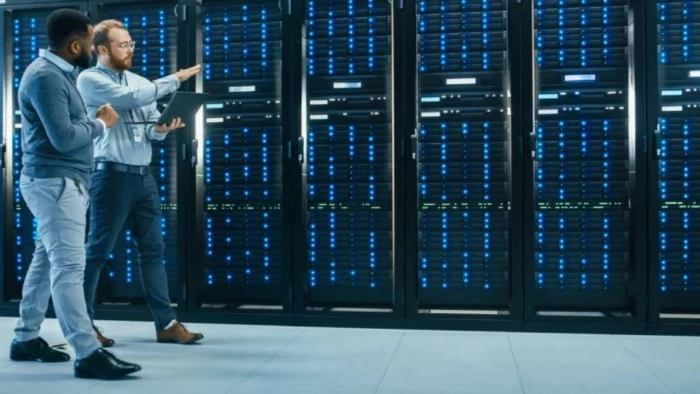
The world is currently seeing a massive building boom like never before. Large technology companies are racing to build "data centers" the giant warehouses full of powerful computers that make Artificial Intelligence (AI) work. By the end of 2025, the total money spent on these deals has hit a staggering $4.8 trillion. While this sounds like a victory for technology, it is actually making many investors very worried. At the center of this spending spree are some of the biggest names in finance and tech. For example, Microsoft and the investment firm BlackRock recently teamed up for a $40 billion deal to buy a data center company. Even though these numbers are huge, experts are starting to notice a problem: most of this growth is being paid for with borrowed money. In 2025 alone, big tech companies took out over $121 billion in loans (bonds), which is four times more than they usually do.
The main concern is that these companies are spending billions to build the "brain" of AI, but they aren’t making enough money back yet. While companies like Nvidia are getting rich by selling the chips needed for these centers, the companies actually building the warehouses are struggling to prove they can turn a profit. Some projects are already hitting roadblocks. A massive $10 billion project in Michigan recently lost its funding because investors were worried about how much debt the company was taking on.
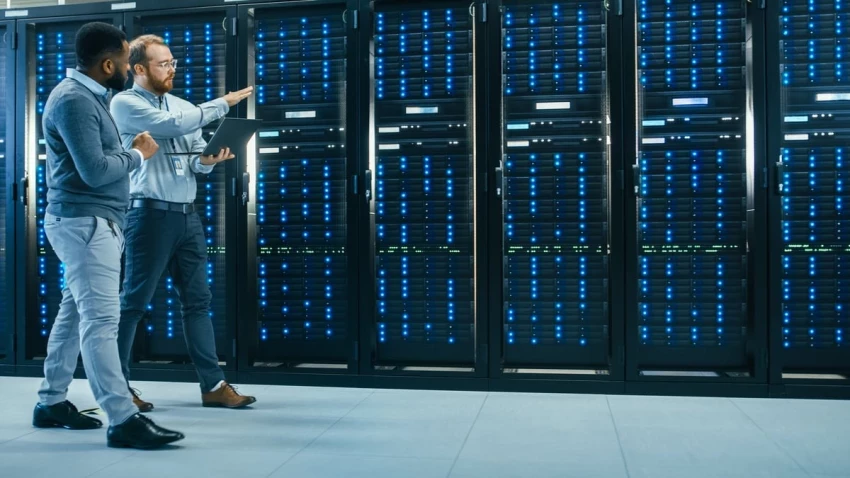
On top of the money issues, there are physical problems too. These giant computer warehouses need an incredible amount of electricity and water to stay cool. In some places, there isn't enough power left in the city grid to keep them running. Investors are now asking a tough question: if AI doesn't start making huge profits soon, will these trillion-dollar warehouses become "ghost towns" of expensive, outdated technology?
As we head into 2026, the "AI gold rush" is at a turning point. Companies are no longer just trying to build the biggest data centers; they are now trying to figure out how to pay off their debts and find enough electricity to keep the lights on. The next year will decide if this was the smartest investment in history or a giant financial bubble waiting to pop.