Google Integrates Opal Development Tool into Gemini to Enable No-Code Application Creation
by Parveen Verma - 3 months ago - 2 min read
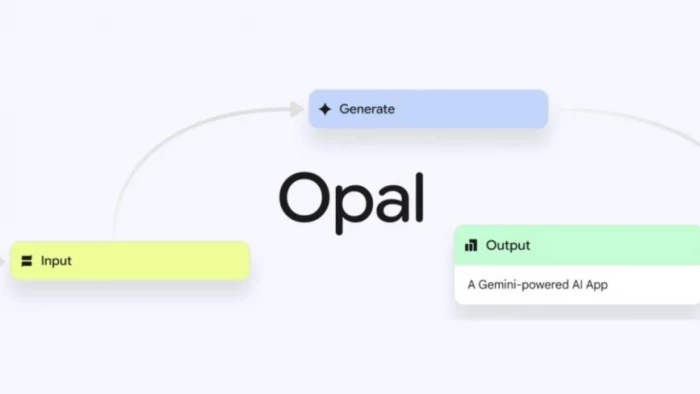
In a significant expansion of its artificial intelligence ecosystem, Google has officially integrated Opal, its specialized "vibe-coding" development tool, into the Gemini web interface. This update, effective December 17, 2025, transitions Opal from an experimental Google Labs project to a fundamental feature within the Gemini platform. The integration allows users to build functional, reusable AI applications, known as Gems, using natural language instructions rather than traditional programming syntax.
The core of the Opal integration is its ability to interpret high-level intent and automatically generate a multi-step logic chain. When a user describes a desired tool such as a data analyst that extracts trends from spreadsheets or a personalized tutor for language learning Opal constructs the underlying architecture. This "vibe-coding" approach simplifies software creation by allowing the user's conceptual vision to drive the technical assembly of AI models and tools.To ensure precision and transparency, Google has introduced a sophisticated Visual Editor within the Gemini Gems manager. This interface deconstructs the AI’s logic into a series of editable steps or "nodes," enabling users to monitor data flow and modify individual prompts. Users can rearrange the application's structure or fine-tune specific actions without interacting with code. For those requiring deeper customization, an Advanced Editor remains accessible to provide granular control over model parameters and tool integrations.
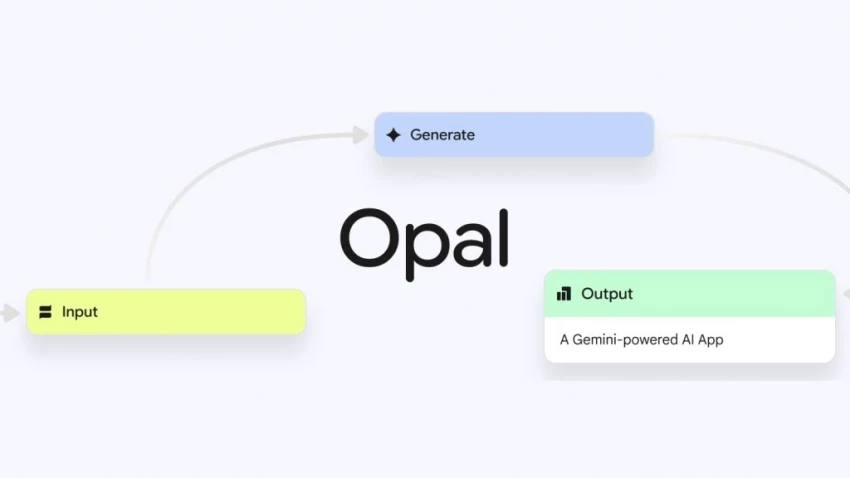
This rollout democratizes software development by removing technical barriers for "citizen developers," ranging from small business owners to educators. By embedding these capabilities directly into Gemini, Google is repositioning its flagship AI from a conversational assistant into a comprehensive productivity and creation engine. This move addresses the rising demand for agentic AI tools that can execute complex, multi-stage tasks autonomously and maintain persistent context across user session.