Google’s Gemini Passes 750 Million Monthly Users, Emerging as ChatGPT’s First True Platform-Level Rival
by Suraj Malik - 1 month ago - 4 min read
Google’s Gemini is no longer just another AI chatbot.
According to comments from Sundar Pichai, the Gemini app has crossed 750 million monthly active users as of December 2025. That figure applies only to the standalone Gemini app and website not the far larger number of people encountering Gemini inside Google Search, Android, or Workspace.
Taken together, Gemini now reaches well over a billion users each month, making it the first serious, system-level challenger to ChatGPT since the generative AI boom began.
Why the 750 Million Number Matters
On its own, 750 million monthly users would already place Gemini among the most widely used consumer apps in the world. But the bigger story is what the number leaves out.
The count excludes Gemini-powered features embedded across Google’s ecosystem such as AI summaries in Search, smart writing in Gmail and Docs, or assistant features on Android devices. Many users interact with Gemini daily without ever opening the Gemini app itself.
In other words, the visible app usage is only a fraction of Gemini’s real footprint.
Gemini’s Reach Goes Far Beyond the App
Google has steadily woven Gemini into nearly every major product it operates.
In Search, Gemini-powered AI Overviews now generate billions of interactions per month, making them one of the most heavily used AI features on the internet. On mobile devices, Gemini is increasingly positioned as a next-generation assistant, replacing or augmenting traditional voice and search experiences.
Meanwhile, developers and businesses are adopting Gemini through APIs and enterprise tools, turning it into a platform rather than just a consumer product.
This layered presence app, search, devices, and cloud gives Google something its competitors lack: default distribution at global scale.
How Gemini Compares to ChatGPT and Copilot
ChatGPT remains the most recognizable AI assistant brand and still leads in direct user engagement. But its dominance is no longer absolute.
Gemini has climbed rapidly into second place, while Microsoft’s Copilot holds a smaller but meaningful position inside Windows and Office. The market has shifted from a single clear leader to a competitive landscape where multiple assistants coexist, each tied closely to its parent company’s ecosystem.
Gemini’s main strength is not being “better at everything,” but being everywhere: search, email, documents, phones, browsers, and cloud services.
Who Is Using Gemini and How
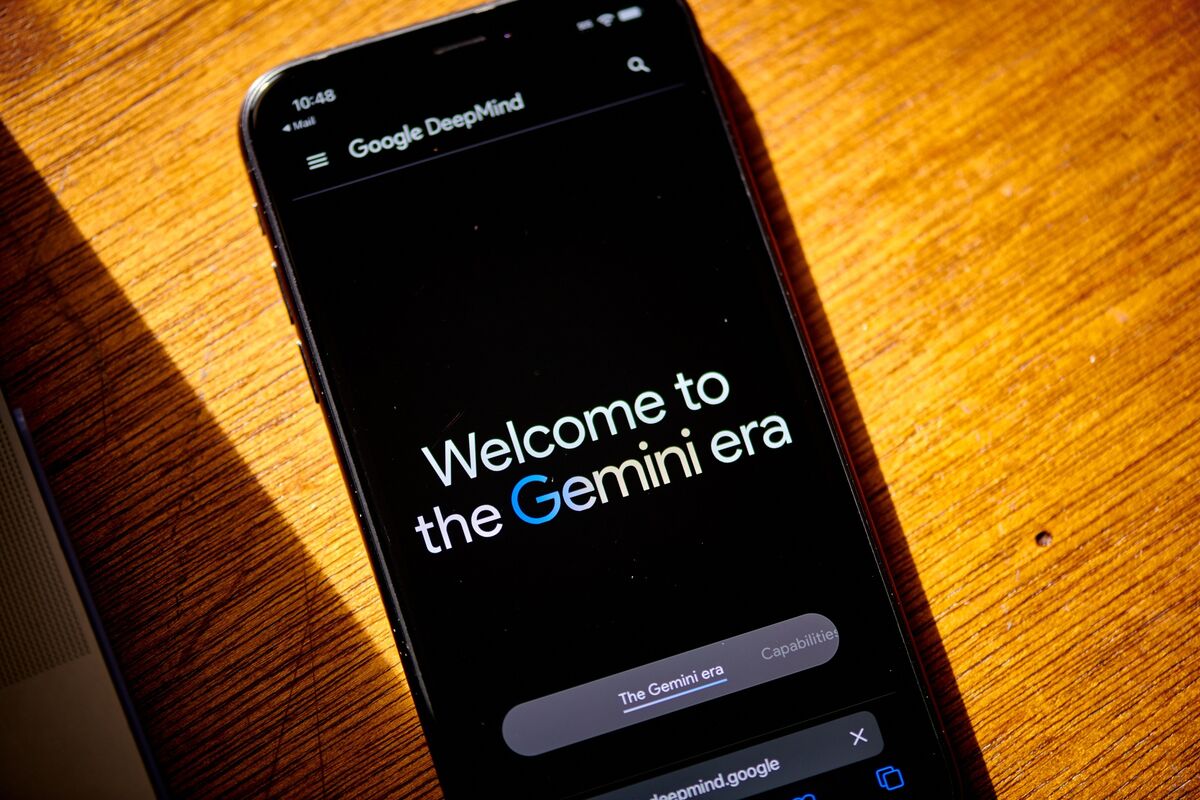
Usage patterns suggest Gemini is becoming part of everyday workflows rather than a novelty tool.
Younger professionals use it for research, writing, coding help, and creative tasks. Mobile users rely heavily on voice, camera-based queries, and multimodal features. In emerging markets, free access and local language support have driven especially strong adoption.
Importantly, enterprise use is growing alongside consumer usage, with companies adopting Gemini inside productivity tools rather than treating it as a standalone chatbot.
Google’s Bigger AI Strategy Comes Into Focus
Gemini’s growth reflects a broader shift inside Google.
After initially appearing slow to respond to the rise of generative AI, Google has moved aggressively investing heavily in AI infrastructure, integrating models across products, and positioning Gemini as a core layer of its business.
Executives have framed Gemini not as an add-on, but as a foundation for Search, Workspace, Cloud, and future consumer experiences. That strategy appears to be paying off in scale, even as monetization continues to evolve.
Risks and Open Questions
Despite its momentum, Gemini still faces challenges.
Independent comparisons often show ChatGPT performing better on long-form reasoning or creative writing, while Gemini excels at multimodal and Google-connected tasks. Regulators are also watching closely, as deeper AI integration into Search and Android raises antitrust concerns in several regions.
And while usage is enormous, the long-term revenue model balancing ads, subscriptions, and enterprise licensing remains a work in progress.
The Takeaway
Crossing 750 million monthly users marks a turning point for Google’s AI ambitions.
Gemini is no longer an experiment or a late response to ChatGPT. It has become a global AI platform embedded into how people search, write, work, and use their devices.
The AI assistant market is no longer dominated by a single player. It is becoming a duopoly, with Google’s Gemini and ChatGPT shaping the next phase—while Microsoft, Apple, and others race to define what comes next.