India May Plug UPI Into Alipay+ — A Move That Could Instantly Take Indian Payments to 100+ Countries
by Suraj Malik - 1 month ago - 4 min read
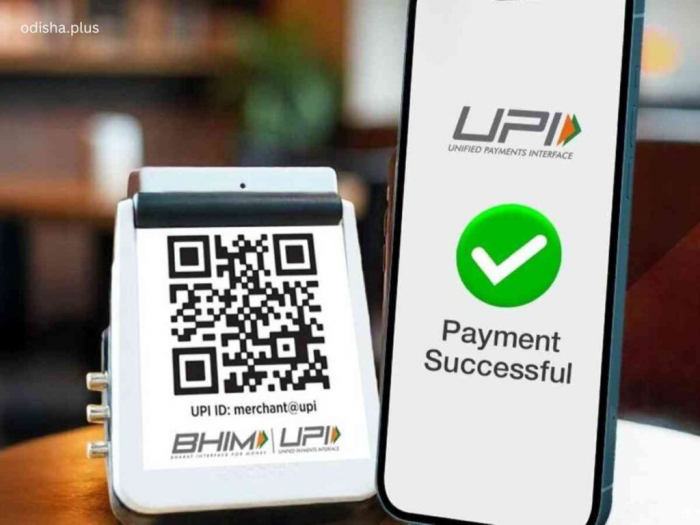
Early talks between India and Ant International point to the most ambitious expansion of UPI since its launch, but geopolitical and regulatory risks remain high.
India is exploring a potential integration between its domestic real-time payments system, the Unified Payments Interface (UPI), and Ant International’s Alipay+ cross-border payments network, according to a Reuters report published on February 2, 2026.
The discussions reportedly involve India’s finance ministry, the Reserve Bank of India (RBI), and the National Payments Corporation of India (NPCI). While no formal agreement has been announced and none of the parties has issued public confirmation, the talks signal a possible shift in India’s approach to global payments expansion.
If approved, the integration would allow Indian users to make international payments using existing UPI apps at merchants that already accept Alipay+, potentially extending UPI’s reach from a handful of countries to more than 100 markets in one step.
Why this could change UPI’s global trajectory
UPI has become one of the world’s largest real-time payment systems by transaction volume, processing hundreds of millions of payments daily within India. International expansion, however, has moved slowly.
At present, UPI is operational in a limited set of countries, including Singapore, the UAE, Bhutan, Nepal, Sri Lanka, France, and Mauritius. Each rollout required separate regulatory approvals, settlement arrangements, and technical integration, often taking years to complete.
Alipay+, by contrast, already functions as a multi-country payments layer. Ant International says the network connects dozens of digital wallets and banking apps to merchants across more than 100 regions through a standardized QR-code system.
Linking UPI to Alipay+ would effectively bypass the need for dozens of bilateral agreements, offering India a faster route to global scale.
How payments would work for users
Under the proposed model, Indian travelers would scan an Alipay+ QR code abroad using a familiar UPI app such as Google Pay, PhonePe, or Paytm. Payments would be initiated in Indian rupees, while merchants would receive settlement in local currency through Alipay+’s partner network.
For users, the experience would resemble a domestic UPI transaction, with currency conversion and cross-border settlement handled behind the scenes.
The appeal is straightforward: fewer cards, fewer apps, and no need to calculate exchange rates at checkout.
A strategic shortcut with political sensitivity
While the economic rationale is strong, the proposal carries geopolitical weight.
In 2020, India banned more than 100 Chinese-linked apps, including Alipay, citing concerns related to national security and data sovereignty. Any renewed cooperation involving Ant-affiliated infrastructure is therefore likely to face close regulatory and political scrutiny.
Although Alipay+ is operated by Ant International from Singapore, regulators would still need to assess data flows, compliance controls, and systemic risk before granting approval.
Regulatory hurdles that could slow or stop the deal
For the integration to move forward, Indian authorities would need to resolve several issues:
- Data governance: where transaction data is stored and how Indian regulators can access or audit it
- Foreign exchange compliance: alignment with India’s FEMA rules
- Settlement risk: currency conversion mechanisms and liability allocation
- Cybersecurity: exposure created by linking two large payment systems
Such questions typically require prolonged regulatory coordination, particularly for cross-border financial infrastructure.
What happens next
At this stage, the talks remain exploratory. Concrete progress would likely be signaled by:
- Public acknowledgment from NPCI, RBI, or Ant International
- A limited pilot covering specific corridors or merchant categories
- Regulatory guidance outlining data and settlement safeguards
Absent these steps, the proposal may remain under discussion rather than moving to implementation.
Why this story matters beyond payments
The possible UPI–Alipay+ link highlights a broader trend: payments systems are increasingly becoming tools of economic influence rather than just consumer convenience.
For India, success would position UPI as exportable financial infrastructure, not merely a domestic utility. For Ant International, it would unlock access to one of the world’s largest digital payments user bases.
Whether the opportunity outweighs the political and regulatory risks remains an open question. But the fact that such talks are taking place suggests India is reconsidering how boldly it wants to project UPI onto the global stage.