Jack Dorsey’s Block Cuts 4,000 Jobs in AI Bet
by Suraj Malik - 16 hours ago - 4 min read
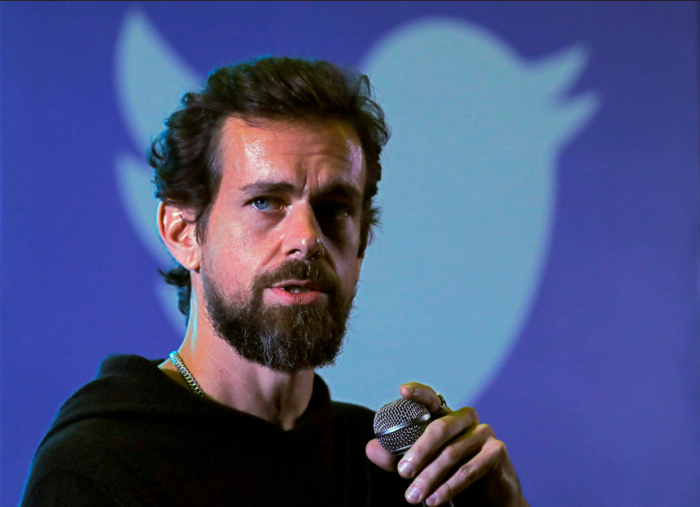
The Big Move: Block Just Hit Reset
Jack Dorsey has made one of the boldest workforce decisions of the AI era.
Block, the fintech company behind Square, Cash App, and Tidal, is eliminating more than 4,000 jobs, shrinking its workforce from over 10,000 employees to under 6,000 in a single restructuring move.
The message from leadership is clear. This is not framed as emergency cost cutting. It is positioned as a strategic shift toward an AI-first operating model.
And the market loved it.
Block’s shares jumped roughly 24 to 25 percent in after-hours trading following the announcement, signaling strong investor approval of the aggressive restructuring.
Why Dorsey Says This Had to Happen
Dorsey did not present the layoffs as a reaction to weakness. Instead, he described them as proactive and even empathetic.
His core argument is simple. Multiple small layoffs destroy morale and trust more than one decisive reset. He said repeated cuts are “destructive to morale” and predicted that most companies will reach similar conclusions within a year.
Internally, the goal is to transform Block into what he called a “smaller, faster, intelligence-native company.”
In other words, fewer people, more AI, higher output.
The AI Efficiency Thesis
Block’s leadership is openly tying the layoffs to artificial intelligence gains.
CFO Amrita Ahuja said the restructuring will allow the company to move faster with smaller, highly talented teams using AI to automate more work.
There is some internal data backing the claim:
- Output per engineer reportedly increased more than 40 percent since September
- Internal AI tools such as Goose are already being used across workflows
- Management believes intelligent tooling changes the optimal team size
The implication is uncomfortable but clear: the productivity curve has shifted.
The Elon Musk Parallel Everyone Noticed
Silicon Valley watchers immediately connected the move to Elon Musk’s dramatic Twitter workforce cuts in 2022.
Back then, Musk reduced Twitter’s staff by about 50 percent in one stroke, resetting norms around how aggressively tech CEOs could shrink teams.
Dorsey, who had invested in Musk’s Twitter takeover, appears to be applying a similar philosophy:
- Act fast
- Cut deep
- Rebuild lean
The difference this time is the explicit AI justification.
Investors vs. Skeptics: Two Very Different Reactions
Wall Street reaction
Investors largely applauded the decision. The stock surge suggests markets believe:
- AI can structurally improve margins
- Leaner teams will boost profitability
- Block is getting ahead of the curve
Analyst and research caution
Not everyone is convinced the story is purely about AI.
A Forrester Research report cited in coverage questions how many AI-framed layoffs are truly driven by automation versus classic cost optimization and margin pressure.
This is the tension defining the current AI wave.
Is AI replacing workers, or is AI the narrative companies use to justify long-planned efficiency cuts?
The honest answer may be both.
Inside Block: Culture Concerns Are Emerging
While leadership frames the move as strategic, internal reports paint a more complicated picture.
Some employees have described:
- Rising performance anxiety
- Mandatory AI adoption pressure
- Declining morale
This highlights a reality many companies may face as AI adoption accelerates. The technology story is clean. The human transition is not.
What This Signals for the Tech Industry
Dorsey’s prediction that most companies will follow similar paths is the real headline.
Several trends are now converging:
- First, AI tooling is genuinely improving individual productivity in many knowledge roles.
- Second, investors are clearly rewarding companies that demonstrate operating leverage through automation.
- Third, executives across tech are watching each other closely. Once one major firm proves the market rewards deep cuts, the psychological barrier drops for others.
We are likely entering a phase where workforce size becomes a strategic AI decision, not just an HR metric.
The Bottom Line
Block’s 4,000-person layoff is not just another tech downsizing story. It is a signal event in the AI transition.
Dorsey is effectively making a public bet that:
- Smaller teams plus AI beat larger traditional org charts
- Markets will reward aggressive restructuring
- And most companies will eventually follow
Whether this proves visionary or premature will depend on one hard metric over the next 12 to 24 months.
Do AI-lean companies actually outperform in the real world?
Because if they do, this may be remembered as one of the first major workforce resets of the AI era.