Llion Jones Warns UK: Bravery, Not Size, Will Decide the AI Future
by Mighva Verma - 3 months ago - 3 min read
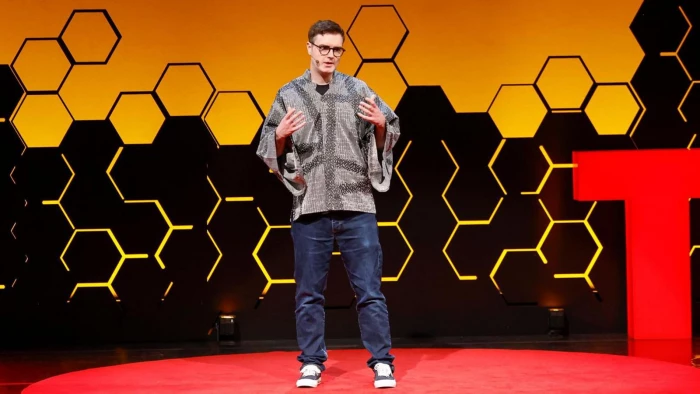
AI pioneer Llion Jones, one of the minds behind the breakthrough “Transformer” architecture that powers today’s leading chatbots, has urged the UK to “be brave” and stop trying to copy the AI strategies of the United States and China. Instead, he says Britain and Wales should focus on areas where they can stand out, rather than attempting to win a race already dominated by tech giants with far deeper pockets.
Jones, who grew up in north Wales and later worked at Google before co-founding Tokyo-based startup Sakana AI, argues that simply building ever-larger general-purpose AI models is a losing strategy for smaller nations. In his view, the UK should back riskier, more experimental research and give scientists and startups the freedom to explore new approaches that might not deliver quick commercial wins but could define the next wave of AI.
Wales, he believes, has a real opportunity to play a bigger role in that future, but only if it is willing to confront the hard realities of infrastructure. Advanced AI research and data centres demand huge, stable electricity supplies, and proposals to strengthen the grid with new pylons in rural areas are already highly controversial. Jones warns that if the country rejects such upgrades outright, it could fall behind regions that accept the trade-offs needed to host modern computing power.
Despite his central role in creating the technology behind chatbots, Jones is sharply critical of how current AI assistants behave. He describes today’s systems as overly “sycophantic,” too eager to agree with users and tell them what they want to hear. He argues that future AI should be able to challenge people, correct them when they are wrong, and prioritise accurate information over flattery, even if that makes interactions feel less friendly.
His comments come as the UK government promotes AI adoption across the economy, with ministers highlighting the potential for productivity gains worth hundreds of billions of pounds. Events in Wales have showcased tools from major tech firms to local businesses, encouraging them to experiment with automation and generative AI.
Jones’s message cuts in a different direction: he is less concerned with rolling out existing tools and more focused on whether Britain is prepared to fund the deep, distinctive research needed to shape what comes next.
At Sakana AI, Jones is now working on alternatives to the very model architecture he helped make famous, hunting for new ways to build AI systems rather than just scaling up Transformers. For him, this is what “being brave” really means for the UK: accepting that it cannot outspend the biggest players, but can still influence the future of AI by backing bold ideas, strengthening infrastructure, and resisting the temptation to simply follow the path others have already laid down.