Meta Secures Record-Breaking 6-Gigawatt Nuclear Energy Portfolio to Fuel the Future of Artificial Intelligence
by Parveen Verma - 2 months ago - 3 min read
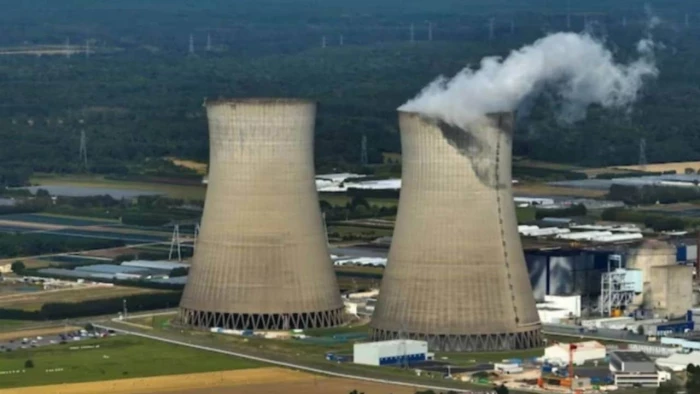
In a monumental shift that underscores the escalating energy demands of the digital age, Meta Platforms has formalized a series of landmark agreements with three leading nuclear energy providers to secure more than six gigawatts of carbon-free power. This unprecedented commitment represents one of the largest corporate nuclear energy procurements in history, signaling a decisive move by the social media titan to insulate its future operations from the volatility of the global energy market while aggressively pursuing its net-zero climate objectives. As the race for dominance in generative artificial intelligence intensifies, the infrastructure required to support massive Large Language Models has evolved from a matter of hardware to a challenge of pure electrical capacity. By locking in six gigawatts enough electricity to power approximately 4.5 million homes Meta is effectively building a "silicon-to-fission" pipeline that ensures its global network of data centers remains operational 24 hours a day, regardless of weather conditions or grid instability.
The strategic pivot toward nuclear energy highlights a growing realization among Silicon Valley’s elite that traditional renewable sources, such as wind and solar, lack the "baseload" reliability necessary for the high-density computing environments of 2026. While Meta has long been a leader in purchasing renewable energy credits, the intermittent nature of those sources has often required fossil fuel backups during peak demand or low-generation periods. This trio of deals changes that calculus entirely. By partnering with three distinct nuclear innovators, Meta is diversifying its energy portfolio across a mix of traditional large-scale reactors and next-generation small modular reactors (SMRs). This multi-pronged approach not only secures immediate power but also provides the venture capital and long-term demand necessary to revitalize the domestic nuclear supply chain, which has faced decades of stagnation.
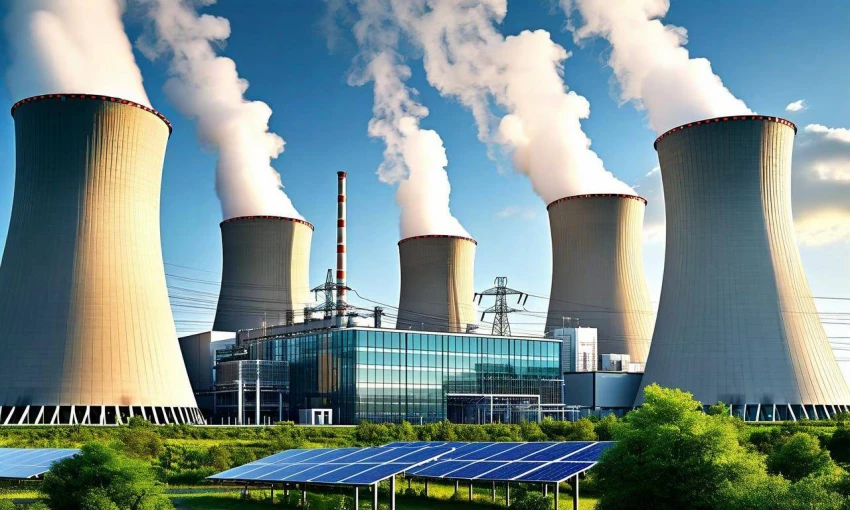
Industry analysts view this move as a direct response to the massive energy consumption of Meta’s "Llama" AI ecosystem and its expanding metaverse infrastructure. The sheer scale of the 6-plus gigawatt acquisition dwarfs previous industry benchmarks, placing Meta in an elite tier of energy consumers alongside sovereign nations. The financial terms, while not fully disclosed, reflect a multi-billion-dollar long-term investment that provides the three nuclear partners with the price certainty required to extend the lifespans of existing plants or break ground on new deployments. This symbiotic relationship between Big Tech and Big Fission is rapidly becoming the new standard for industrial decarbonization, as nuclear power remains the only scalable, carbon-free technology capable of delivering the high-voltage consistency that modern hyper-scale data centers demand.
Furthermore, this deal acts as a hedge against the rising costs of the traditional power grid. As national grids struggle to modernize and integrate disparate energy sources, Meta’s direct-to-nuclear strategy bypasses many of the bottlenecks associated with standard utility procurement. It also serves as a powerful statement of corporate responsibility; by funding new nuclear capacity, Meta is not simply consuming existing clean energy but is actively contributing to the expansion of the world's carbon-free footprint. As the 2030 climate deadlines approach, this 6-gigawatt surge positions the company as a pragmatist in the green energy space, choosing the high-density efficiency of nuclear physics to solve the high-density complexity of artificial intelligence. This transition marks the beginning of a new era where the stability of the virtual world is inextricably linked to the reliability of the atomic world.