NVIDIA Accelerates AI Production: New TSMC Orders Sparked by Surging Demand in Chinese Markets
by Parveen Verma - 3 months ago - 3 min read

In a strategic move to cement its dominance in the global artificial intelligence landscape, NVIDIA has reportedly entered advanced discussions with Taiwan Semiconductor Manufacturing Company (TSMC) to secure additional production capacity for its high-performance H200 Tensor Core GPUs. This surge in procurement activity follows an unprecedented uptick in demand from the Chinese market, where tech conglomerates and research institutions are racing to bolster their generative AI capabilities. As the final quarter of 2025 draws to a close, the move signals NVIDIA’s intent to preempt supply chain bottlenecks and capitalize on a regional market that continues to show insatiable hunger for high-end compute power.
The H200, recognized as the gold standard for training and deploying sophisticated large language models, has become the cornerstone of modern data centers. While the semiconductor industry has faced various logistical hurdles over the past year, NVIDIA’s proactive engagement with TSMC highlights a deep-rooted interdependence between Silicon Valley’s design prowess and Taiwan’s manufacturing excellence. Industry insiders suggest that these new orders are being prioritized to address a specific vacuum in the Chinese enterprise sector, where local firms are transitioning from experimental AI applications to full-scale commercial deployments.
The timing of this production push is particularly noteworthy given the complex regulatory environment surrounding international technology transfers. NVIDIA has demonstrated remarkable agility in navigating these constraints, ensuring that its product roadmap remains aligned with both global compliance standards and the technical requirements of its diverse clientele. By securing more "wafers" at TSMC’s advanced nodes, NVIDIA is effectively insulating itself against potential shortages that have previously hampered the delivery of AI hardware. This move also underscores the resilience of the AI sector, which remains a primary driver of growth for the broader semiconductor industry despite fluctuating global economic conditions.
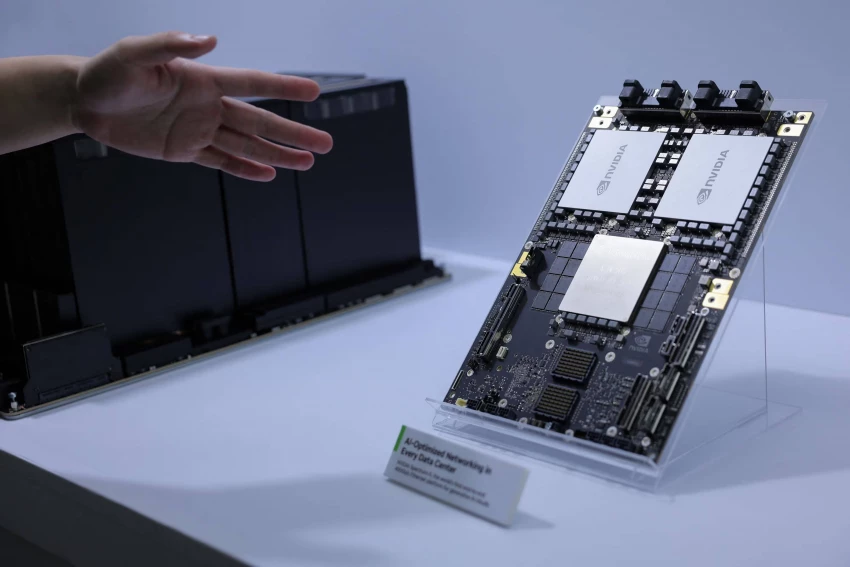
Analysts view this development as a bullish signal for the entire AI ecosystem. With Chinese tech giants accelerating their investments in sovereign AI infrastructure, the demand for NVIDIA’s architecture has outpaced initial annual projections. The collaboration with TSMC is expected to utilize the foundry’s most advanced fabrication processes, ensuring that the H200 chips delivered in the coming months maintain the efficiency and performance metrics that have made NVIDIA the most valuable chipmaker in the world. As the race for AI supremacy intensifies, the ability to scale production rapidly has become a critical competitive differentiator.
The implications of this supply chain expansion extend beyond mere hardware sales. It represents a significant vote of confidence in the sustained growth of the AI market through 2026. As NVIDIA tightens its partnership with TSMC, the move is likely to influence market dynamics across the chip sector, potentially prompting competitors to reassess their own production strategies. For now, NVIDIA remains the primary architect of the AI revolution, with its latest manufacturing maneuvers ensuring that it remains the indispensable provider of the silicon that powers the future of intelligence.