OpenAI Partners With Pine Labs to Automate Payments Workflows and Expand India Presence
by Suraj Malik - 1 month ago - 4 min read
OpenAI is deepening its push into India’s fast-growing digital commerce ecosystem through a new partnership with fintech major Pine Labs. The collaboration focuses on embedding OpenAI’s APIs into Pine Labs’ payments infrastructure to automate complex back-office financial operations.
The move signals OpenAI’s strategy to move beyond consumer chat tools and into high-volume enterprise workflows, particularly in regulated financial environments.
What the OpenAI–Pine Labs Partnership Will Do
Under the agreement, Pine Labs will integrate OpenAI’s models directly into its payments and commerce stack. The initial focus is on automating traditionally manual financial processes for merchants and large enterprises.
Key targeted workflows include:
- Settlement processing
- Reconciliation across banks
- Invoice handling
- Payments orchestration
The emphasis is primarily on B2B financial operations rather than consumer-facing payments.
By embedding AI into these repetitive processes, the companies aim to reduce manual intervention and improve operational speed and accuracy.
Pine Labs’ Existing AI Foundation
Pine Labs is not starting from scratch. The company has already been using AI internally to streamline its own settlement and reconciliation workflows.
According to the company, AI-driven automation has reduced processing times from hours to minutes by replacing manual verification steps across multiple banking systems.
The new partnership is intended to extend these internal efficiencies outward to Pine Labs’ merchant and enterprise customers.
The long-term vision is to enable AI agents to handle large volumes of routine financial tasks under clearly defined rules and controls.
Different Rollout Paths: India vs Global Markets
Regulation will play a major role in how quickly autonomous payment workflows expand.
CEO Amrish Rau expects more advanced, agent-led automation to roll out faster in overseas markets such as parts of Southeast Asia and the Middle East, where regulatory frameworks are already more permissive.
In India, stricter payments rules mean the near-term model will likely remain AI-assisted rather than fully autonomous. Humans will continue to authorize critical steps even as AI handles more of the operational workload.
This reflects India’s cautious but steadily evolving approach to financial automation.
Why This Matters for OpenAI
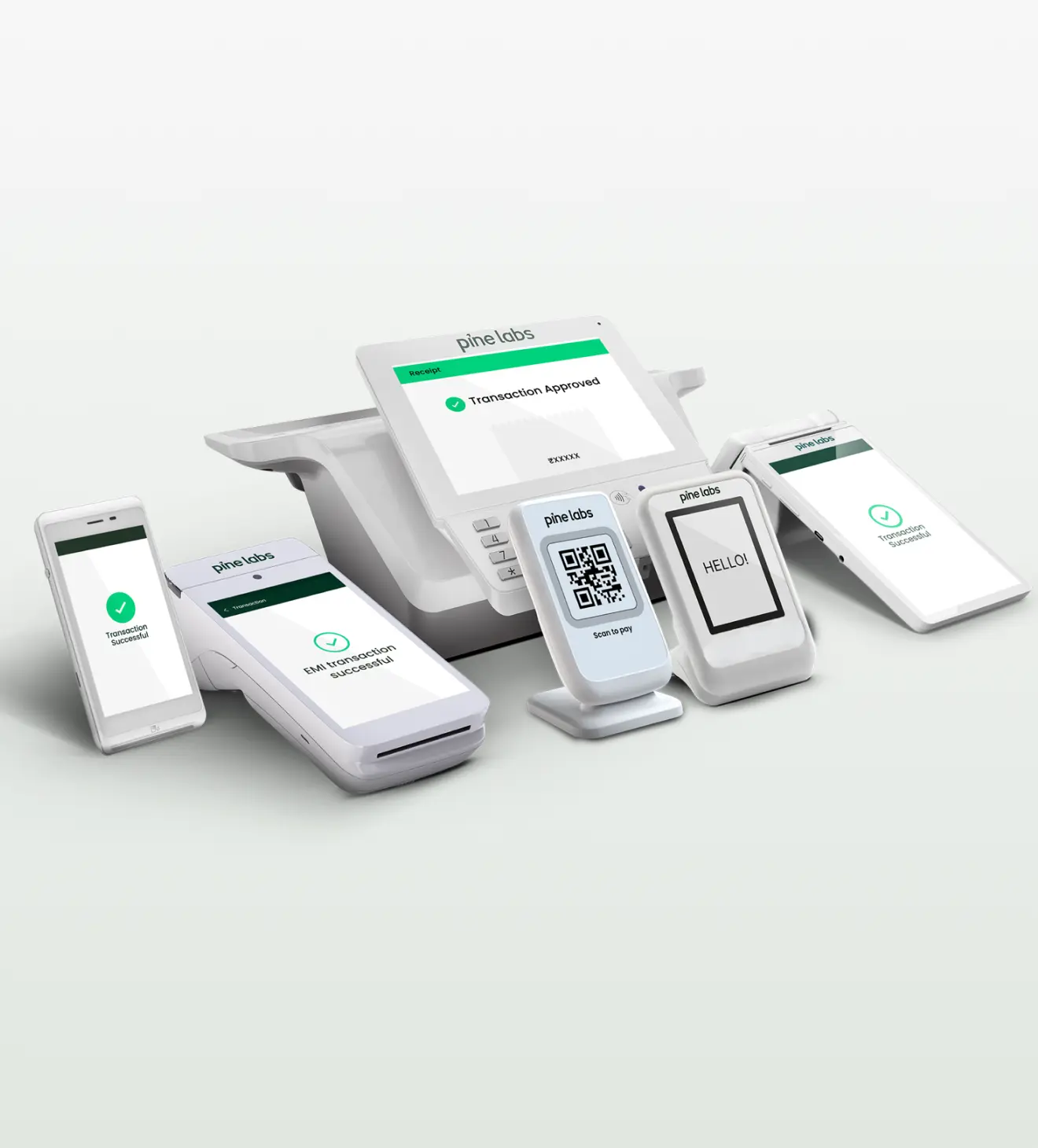
For OpenAI, the partnership provides access to a large, enterprise-grade payments network.
Pine Labs’ footprint includes:
- Over 980,000 merchants
- 716 consumer brands
- 177 financial institutions
- Presence across 20 countries
This gives OpenAI a significant opportunity to embed its models into real-world financial workflows at scale.
The deal also complements OpenAI’s broader India strategy, which has recently included partnerships with leading Indian institutions across engineering, medical and design education.
Together, these moves suggest India is becoming a priority market for OpenAI’s applied AI expansion.
Commercial Structure: Non-Exclusive and Flexible
The agreement is structured as a non-exclusive partnership with no revenue-sharing component.
Key terms include:
- Pine Labs does not take a cut of OpenAI revenue
- Each company monetizes its own services
- Merchants can adopt OpenAI tools independently
Rau has compared the model to OpenAI’s collaboration with Stripe in the United States.
For Pine Labs, the goal is to increase merchant stickiness and evolve from a pure payments processor into a broader commerce platform.
Security and Compliance in Focus
Because financial workflows involve sensitive data, Pine Labs says it is adding additional security and compliance layers around AI-driven processes.
The company aims to ensure merchant and consumer transaction data remains protected as automation expands.
Pine Labs’ Setu unit has already experimented with agent-led bill payments through chatbots such as ChatGPT and Claude. More broadly, India’s payments ecosystem has begun early pilots of consumer transactions initiated via AI interfaces.
These experiments provide a testing ground for deeper automation over time.
Timing: India AI Impact Summit
The announcement comes alongside the India AI Impact Summit in New Delhi, where global AI companies and Indian startups are showcasing real-world applications across finance, healthcare and education.
The timing reinforces India’s growing positioning as a major hub for applied AI deployment rather than just model research.
Bottom Line
OpenAI’s partnership with Pine Labs marks a strategic step into India’s high-volume payments infrastructure. By automating settlement, reconciliation and invoicing workflows, the companies are targeting one of the most manual and cost-heavy layers of digital commerce.
If execution goes smoothly, the collaboration could accelerate the shift from AI-assisted finance to more autonomous, agent-driven payment operations, with India emerging as a key proving ground.