OpenAI’s App Store Moment: How Sam Altman is Engineering the Next Great Tech Ecosystem
by Parveen Verma - 3 months ago - 3 min read
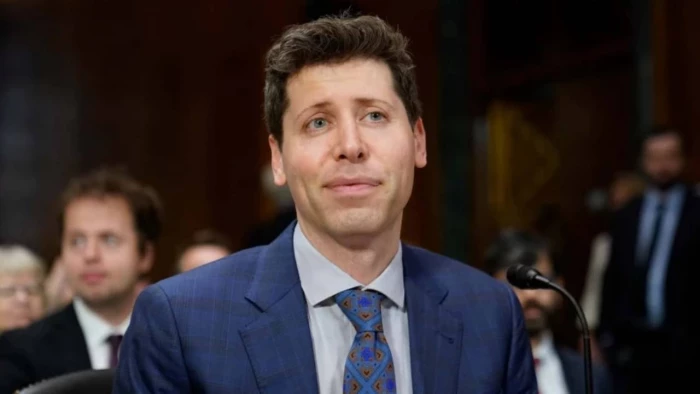
In a strategic move that mirrors the transformative launch of the Apple App Store in 2008, OpenAI is positioning itself to evolve from a singular service provider into a foundational platform for the global economy. Under the leadership of Sam Altman, the San Francisco-based artificial intelligence powerhouse has unveiled a vision that transcends the simple utility of a chatbot, aiming instead to create a sprawling marketplace of specialized AI agents known as GPTs. This pivot represents a significant escalation in the battle for dominance in the generative AI sector, as OpenAI seeks to lock in developers and enterprise clients by fostering an environment where anyone can build, share, and eventually monetize custom versions of ChatGPT. By allowing users to tailor the underlying model for specific tasks ranging from teaching complex mathematics to designing social media stickers OpenAI is effectively decentralizing the development process, turning its millions of active users into an unpaid R&D department.
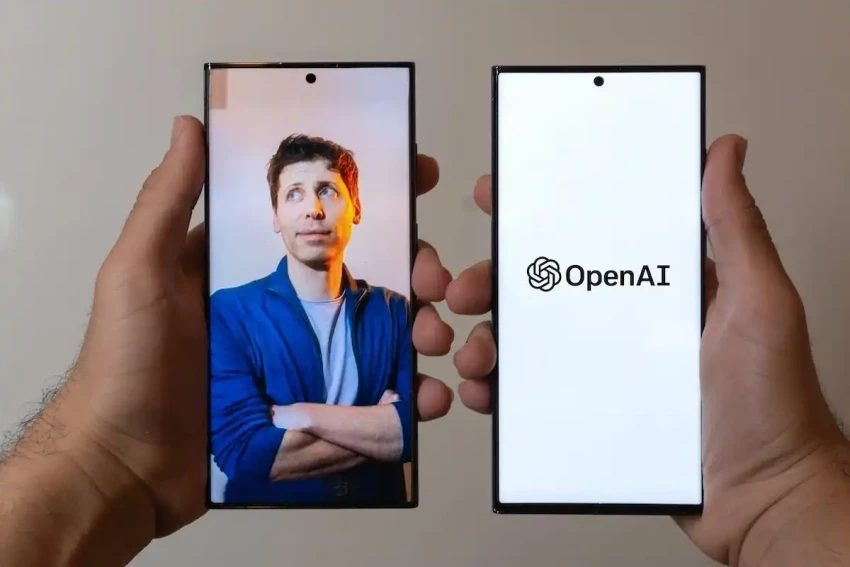
The implications of this shift are profound for the broader technology landscape. For years, the industry has looked for the "iPhone moment" of artificial intelligence, and the introduction of a centralized store for AI applications appears to be the fulfillment of that search. This move is not merely about software diversity; it is about building a "moat" around OpenAI’s ecosystem. By creating a hub where specialized tools are housed, OpenAI makes its platform more "sticky," ensuring that users have little reason to migrate to competitors like Google’s Gemini or Anthropic’s Claude. The strategy hinges on the network effect: the more useful GPTs that exist within the store, the more users the platform attracts, which in turn draws more developers. This cycle is what catapulted Apple and Google to their current heights, and Altman is clearly following that blueprint to ensure OpenAI remains the center of gravity in the AI age.
However, the path to becoming the "App Store of AI" is fraught with technical and ethical complexities. To maintain the prestige of this new marketplace, OpenAI has had to implement rigorous verification systems to ensure that custom GPTs adhere to safety guidelines and do not propagate misinformation or harmful content. Furthermore, the economic model of this venture remains a point of intense interest for the Silicon Valley elite. Altman has hinted at a revenue-sharing model where popular creators are compensated based on the engagement their tools generate. This potential for monetization is expected to spark a gold rush among independent developers and tech startups, similar to the early days of mobile application development. It signals a transition where AI is no longer just a tool for productivity but a legitimate engine for entrepreneurship and new business models.
As the GPT Store rolls out, the tech world is watching closely to see if OpenAI can manage the Herculean task of moderating a massive, user-generated library of intelligent software. Unlike static mobile apps, AI agents are dynamic and unpredictable, presenting a new frontier for digital governance. Despite these challenges, the momentum is undeniable. By providing the infrastructure for a specialized AI economy, OpenAI is moving beyond the "chat" interface and into the realm of an operating system. This transition marks the end of the first chapter of the AI revolution the era of wonder and the beginning of the second chapter: the era of utility, commerce, and platform-scale competition. Sam Altman’s gamble is that by giving the world the tools to build their own AI, OpenAI will become the indispensable foundation upon which the next generation of the internet is built.