Oscars Set New Rules on AI in Films
by Sakshi Dhingra - 4 months ago - 2 min read
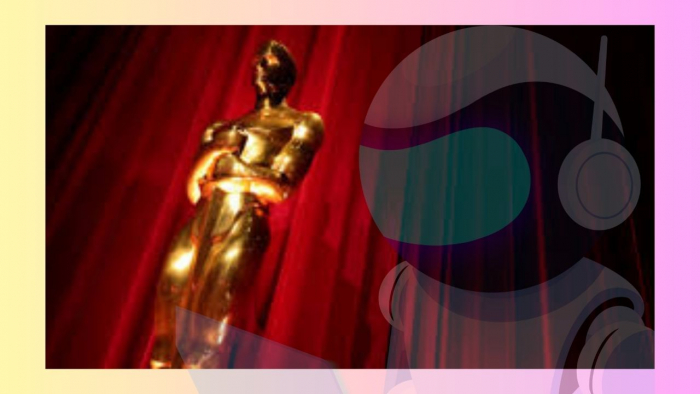
The Academy of Motion Picture Arts and Sciences has formally updated its rules to make AI-generated actors and scripts ineligible for the Academy Awards, marking one of the strongest institutional responses yet to generative AI in filmmaking. The rule will apply to films entering the 2027 awards cycle, signaling a clear boundary between human creativity and machine-generated output.
Human authorship becomes a strict requirement
Under the revised guidelines, acting performances must be demonstrably delivered by human actors, while screenplay categories now require fully human-written scripts. The Academy has also introduced verification authority, allowing it to request evidence of human involvement when AI tools are used during production. This effectively disqualifies fully synthetic performances and AI-written scripts from competing in core creative categories.
AI remains in production, but loses authorship credit
The new policy does not eliminate AI from filmmaking workflows. Studios can still use AI tools for editing, visual effects, and pre-production processes. However, eligibility for awards will now depend on whether human contribution remains central to the final work. The distinction is critical: AI can assist, but it cannot be the primary creator in categories that reward artistic authorship.
Industry pressure and labor concerns drove the shift
The decision comes after sustained pushback from industry bodies such as SAG-AFTRA, which raised concerns over digital replication of actors and the automation of writing jobs. These concerns became a focal point during recent labor negotiations in Hollywood, where AI protections were heavily debated. The rise of AI-generated performers further accelerated the need for formal regulation.
Data signals rising AI adoption across studios
The Academy’s move aligns with broader industry trends. Reports indicate that more than 60% of major film studios are already experimenting with generative AI in areas such as script development, voice synthesis, and CGI character creation. At the same time, global investment in generative AI crossed tens of billions of dollars in 2025, highlighting the rapid pace of adoption. This growing reliance on AI has forced institutions to define how credit and recognition should be assigned.
A global benchmark for creative recognition
Because the Oscars influence film standards worldwide, the rule is expected to shape how other awards bodies approach AI in creative categories. By restricting eligibility to human-driven work, the Academy is setting a precedent that separates technological assistance from artistic ownership. This could impact how studios approach AI integration, especially in projects aimed at critical recognition.