Oura CEO Says AI Wearables Will Predict Health Risks Years Before Symptoms Appear
by Suraj Malik - 1 month ago - 4 min read
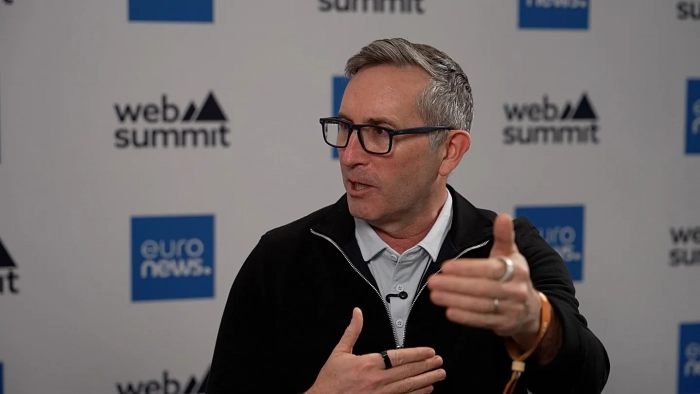
Wearable health devices are moving beyond counting steps and tracking sleep. According to Tom Hale, CEO of Oura, the next phase will focus on predicting health risks years in advance—long before people feel sick.
Speaking at the World Governments Summit 2026, Hale described a future where AI-powered wearables act as an early warning system for chronic illness, shifting healthcare from reaction to prevention.
From Wellness Tracking to Health Forecasting
Hale outlined a vision in which a wearable sensor, a smartphone, and artificial intelligence work together as a kind of “doctor in your pocket.” Instead of simply showing daily metrics, AI would continuously analyze long-term trends in heart rate variability, temperature, sleep, and activity.
The key difference is context over time.
With months or years of data, AI systems can learn what is normal for an individual and detect subtle changes that may signal rising health risks—well before traditional symptoms appear or a diagnosis is made.
This, Hale argued, could fundamentally change how healthcare works.
What Oura Is Doing Today
Oura has already started moving in this direction. In 2025, the company launched Oura Advisor, an AI assistant inside its app that explains health trends in plain language and offers personalized suggestions.
The tool does not diagnose disease. Instead, it helps users understand patterns—for example, whether sustained low recovery scores or disrupted sleep could be linked to lifestyle habits. Early user feedback suggests it improves understanding and encourages healthier decisions.
Oura has also said it is working toward regulated medical use, beginning with features related to long-term blood pressure risk. This would require clinical validation and regulatory approval, but it signals a shift beyond consumer wellness.
What “Predicting Health Years Ahead” Really Means
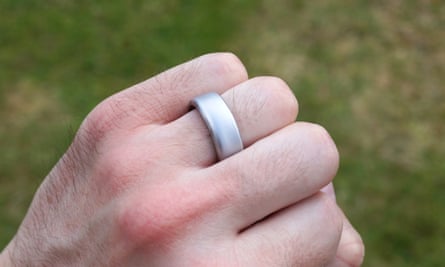
Hale’s comments do not suggest wearables will deliver precise predictions like future heart attacks on specific dates.
Instead, experts interpret this as risk forecasting. AI models can identify patterns that correlate with higher long-term risk for conditions such as hypertension, metabolic disorders, or cardiovascular disease.
In practice, this means wearables could flag people who may benefit from earlier screening, lifestyle changes, or closer medical monitoring—years earlier than today’s symptom-based system.
Similar approaches are already used in hospitals and research settings with medical records and imaging data. Wearables extend that idea into everyday life.
The Limits and Challenges
While the promise is significant, Hale acknowledged—implicitly and explicitly—that this future is not guaranteed.
AI health forecasting raises serious questions about data privacy, accuracy, and regulation. False alarms could create anxiety or unnecessary medical interventions, while missed signals could undermine trust.
Access is another concern. Not everyone can afford wearable devices, which could widen health gaps if predictive tools only benefit certain populations.
Oura has positioned itself as privacy-focused, emphasizing user control over health data as AI becomes more deeply embedded in personal health monitoring.
A Broader Shift in Wearables
Hale’s remarks reflect a wider industry trend. Wearables are moving away from raw dashboards and toward intelligent systems that interpret data, highlight what matters, and recommend action.
Healthcare systems and insurers are also beginning to use wearable data for remote monitoring and preventive care, especially for chronic conditions. This aligns with Hale’s view that wearables will increasingly matter not just to consumers, but to healthcare delivery and policy.
The Takeaway
Oura’s message at the World Governments Summit was less about bold prediction and more about direction.
AI-powered wearables are already evolving from passive trackers into systems that recognize patterns, flag risks, and support earlier intervention. Turning that capability into routine medical practice will take years of validation, regulation, and trust-building.
But the shift is underway—and if successful, it could redefine what it means to “know you’re healthy” long before something goes wrong.