The Silicon Resurrection: How the AI Revolution is Breathing New Life into Obsolete Power Plants
by Parveen Verma - 3 months ago - 3 min read
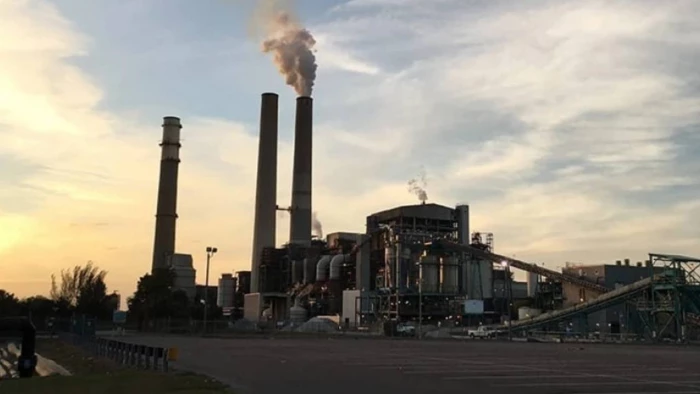
The rapid ascent of artificial intelligence was supposed to herald a clean, digitized future, but the physical reality of the technology is proving to be far more grounded in the industrial past. As the global race to build massive AI data centers intensifies, energy providers are reaching a startling conclusion: the modern grid cannot keep up. To prevent a catastrophic energy shortfall, utilities across the United States are being forced to halt the retirement of aging "peaker" power plants and, in some cases, resurrect decommissioned fossil-fuel facilities that were destined for the scrap heap. This shift marks a dramatic pivot in the global energy transition, as the insatiable hunger of generative AI collides with the limitations of current renewable energy infrastructure.
At the heart of this resurgence is the sheer intensity of AI computation. Unlike traditional data processing, the specialized chips required for large language models consume significantly more electricity and generate immense heat, requiring constant, high-voltage power for both processing and cooling. In hubs like Northern Virginia the world’s largest data center market and the tech corridors of Texas and Iowa, the demand for "always-on" power has outpaced the development of wind and solar farms. Because renewable sources are intermittent, utilities are clinging to natural gas and coal-fired plants that can be fired up instantly during peak demand. These "peaker" plants, once considered the expensive and dirty relics of a fading era, have suddenly become the indispensable backbone of the AI economy.
The implications for corporate sustainability are profound. Giants like Microsoft, Google, and Amazon have spent years pledging to achieve net-zero carbon emissions, yet their reliance on the grid means they are indirectly fueled by the very carbon-intensive plants they sought to replace. Some tech firms are now taking matters into their own hands, exploring "behind-the-meter" solutions that include purchasing their own small modular nuclear reactors or buying entire power stations to ensure a dedicated supply. However, for the average consumer, this surge in demand presents a different risk: rising utility costs and a strained grid that may struggle to maintain reliability during extreme weather events, as data centers compete with residential neighborhoods for a finite supply of electrons.
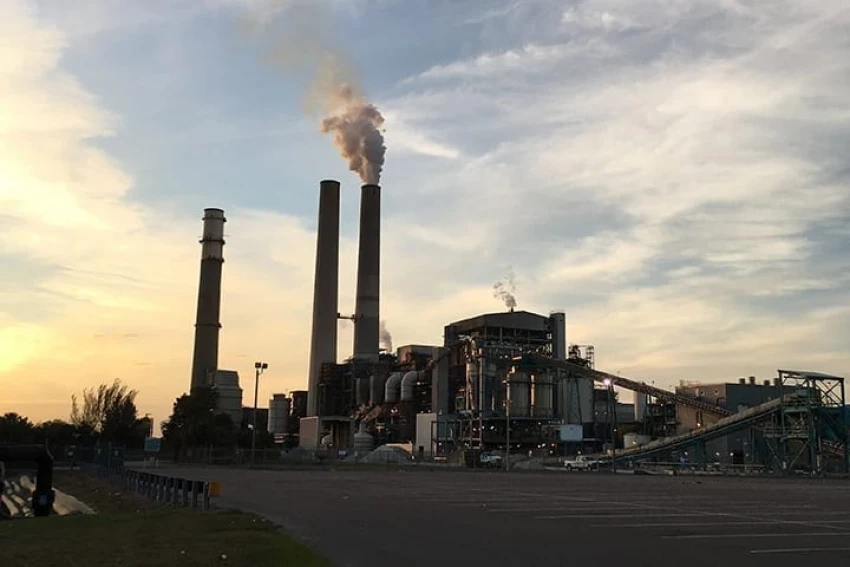
As 2025 progresses, the narrative of the energy transition is being rewritten by the silicon chip. While the long-term goal remains a transition to green energy, the immediate reality is a world where the most sophisticated software ever created is being powered by machinery from the previous century. The "Silicon Resurrection" underscores a difficult truth for the tech industry: the path to the intelligence of tomorrow is currently paved with the carbon of yesterday. Until battery storage and nuclear capacity can bridge the gap, the obsolete power plant is no longer a relic—it is a vital, if controversial, partner in the AI revolution.