Silicon Titans and AI Innovations: The Definitive Breakdown of CES 2026
by Parveen Verma - 3 months ago - 3 min read

The technological landscape underwent a seismic shift this week in Las Vegas as CES 2026 redefined the boundaries between the digital and physical worlds. At the heart of the convention, a fierce rivalry between semiconductor giants NVIDIA and AMD took center stage, signaling a new era of computing power driven by the relentless evolution of artificial intelligence. NVIDIA’s keynote served as a masterclass in hardware dominance, centered on the long-awaited debut of the Blackwell-based GeForce RTX 50-series.
These next-generation GPUs, led by the flagship RTX 5090, promise a staggering leap in ray-tracing performance and neural rendering capabilities, effectively making real-time, cinematic-quality gaming a standard rather than a luxury. Beyond gaming, NVIDIA’s push into the "AI PC" space was evident through refined Tensor cores designed to run massive local language models with unprecedented efficiency, reducing the reliance on cloud-based processing for everyday tasks.
Not to be outdone, AMD delivered a robust counter-offensive led by Dr. Lisa Su, unveiling the Ryzen 9000 series mobile processors and the new RDNA 4 graphics architecture. AMD’s strategy for 2026 focuses heavily on the democratization of high-end performance, offering the Radeon RX 8000 series as a high-value alternative to its competitors while prioritizing power efficiency. The introduction of "Strix Halo" silicon represents a pivotal moment for laptop enthusiasts, providing integrated graphics performance that rivals mid-range discrete GPUs, potentially signaling the end of bulky gaming laptops in favor of ultra-thin, high-performance machines. The synergy between AMD’s hardware and its revamped AI software suite suggests a future where professional-grade content creation tools are accessible to any user with a standard consumer laptop.
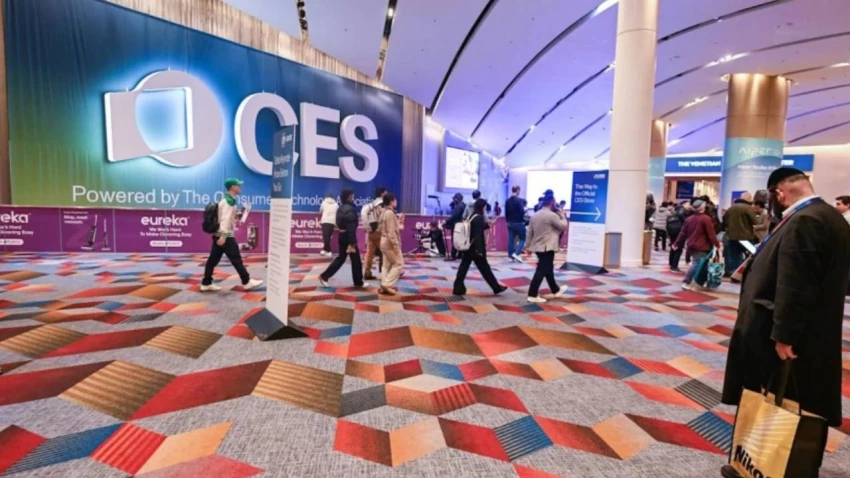
The convention floor also played host to Razer’s signature blend of cutting-edge engineering and experimental "oddities." While the brand refreshed its Blade laptop lineup with the world’s first 480Hz OLED displays, it was their AI-centric concepts that captured the imagination of attendees. Razer showcased a sophisticated AI-integrated peripheral ecosystem capable of real-time coaching for competitive gamers, analyzing biometric data and in-game telemetry to suggest tactical adjustments. Among the more eccentric reveals was a haptic-feedback gaming chair integrated with generative AI that adjusts its physical support and sensory output based on the emotional tension of a game's narrative.
This fusion of sensory immersion and machine learning highlights Razer’s ambition to move beyond mere hardware and into the realm of intelligent, reactive gaming environments.
The broader implications of CES 2026 extend far beyond individual product launches, reflecting a global pivot toward "AI-native" living. From transparent MicroLED displays that blend seamlessly into home architecture to automotive innovations that transform electric vehicles into mobile living rooms, the message from Las Vegas is clear: the hardware bottleneck for artificial intelligence has been broken. As NVIDIA and AMD continue their race to the bottom of the nanometer scale, and as peripheral makers like Razer find creative ways to implement these gains, the consumer is the ultimate winner. The innovations revealed this year do not merely represent incremental upgrades; they represent a fundamental redesign of how humanity interacts with the silicon that powers modern life.