Snow, New Talent, and a Changing Nordic Identity: 6 Takeaways From Copenhagen Fashion Week FW26
by Suraj Malik - 1 month ago - 4 min read
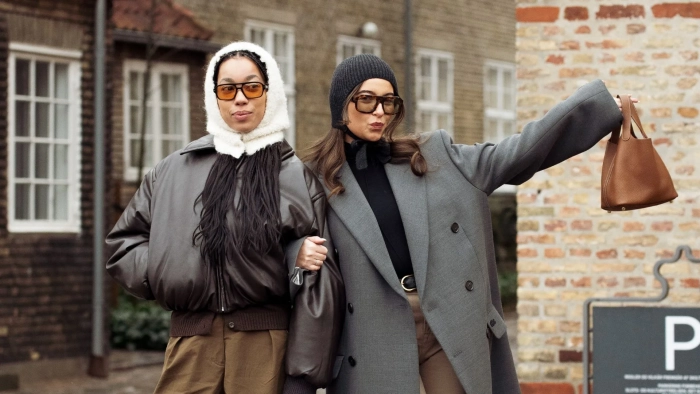
This season’s Fall/Winter 2026 edition of Copenhagen Fashion Week marked a milestone: 20 years since the event began shaping Nordic fashion on the global map.
Despite brutal winter conditions — heavy snow and windchill dropping near –10°C — the city hosted 21 runway shows, multiple presentations, and a 400-guest anniversary celebration. With a tighter schedule overlapping Paris Couture Week, Copenhagen didn’t try to compete with spectacle. Instead, it doubled down on what makes it unique: community, craft, and emerging talent.
Here are the six core themes that defined the season.
A 20th Anniversary Season Built on Resilience
FW26 felt like a statement season. Snowstorms and freezing winds didn’t keep crowds away; front rows stayed full, and street style remained lively despite the cold.
The schedule was more condensed than usual as organizers prepare for an even bigger celebration in August, but the atmosphere stayed energetic. Rather than chasing global glamour, Copenhagen leaned into its identity as a smaller, creatively intense fashion hub.
The message was clear: Copenhagen doesn’t need to imitate Paris or Milan. It succeeds by being distinctly itself.
Rising Designers Took Center Stage
With several established names absent, fresh voices defined the week.
Vogue Runway editor Laird Borrelli-Persson described the season as one of the most exciting in recent years, praising multiple standout shows.
Among them:
- Rave Review delivered what many called its strongest runway to date.
- Designer Anne Sofie Madsen returned with a powerful show filled with dramatic energy.
- Newcomer Studio Constance impressed buyers and editors, signaling strong future potential.
Artisanal techniques and experimental craftsmanship were common threads, reinforcing Copenhagen’s role as a platform for next-generation talent.
Holzweiler’s Return Highlighted Community Spirit
A symbolic moment came with the return of Holzweiler to the Copenhagen runway.
After previously showing in London and then pausing runway presentations, the Oslo-based brand returned in the official “Homecoming” slot — reserved for returning or legacy labels.
For co-founder Andreas Holzweiler, Copenhagen represents where the brand’s international journey truly began. Critics viewed the return as a reminder that Nordic fashion thrives through collaboration rather than competition.
The show reinforced Copenhagen’s reputation as a supportive creative home for Scandinavian designers.
Emerging Labels Filled the Space Left by Big Names
Several well-known brands skipped this season, including Rotate and Stine Goya.
Instead of weakening the lineup, their absence gave smaller labels more visibility, including:
- Nicklas Skovgaard
- OpéraSport
- Caro Edition
- Anne Sofie Madsen’s revitalized return
According to editors at Vogue Scandinavia, fewer headline brands allowed buyers and media to discover new talent more deeply, making it one of the most exciting seasons for emerging voices.
Copenhagen Remains Fashion’s Most Effective Launchpad
Many designers describe Copenhagen Fashion Week as a long-term platform that builds brands rather than simply showcasing them.
OpéraSport co-founder Malou Stelter credited the week with helping brands grow sustainably while maintaining creative independence.
Fashion retail expert Ida Petersson, co-founder of Good Eggs, described Copenhagen as a pipeline: early-stage brands mature locally before moving to larger global stages.
Indeed, alumni brands like Ganni, Stine Goya, and Cecilie Bahnsen now show in Paris, representing Danish design internationally after growing in Copenhagen.
A New Generation Is Redefining Scandi Style
Perhaps the biggest shift is conceptual: Nordic fashion itself is evolving.
Classic Scandi minimalism and practicality still exist, but FW26 leaned toward:
- Experimental silhouettes
- Sculptural tailoring
- Reconstructed textiles
- Handcrafted details
- Unexpected fabric combinations
Buyers like Angélique Liautaud of Printemps say Copenhagen still delivers wearable minimalism, but now with deeper craftsmanship and creative nuance.
In simple terms:
- The first wave exported playful, colourful Scandi fashion globally.
- The current generation is adding craft, storytelling, and conceptual thinking beyond social media trends.
Copenhagen is no longer just a street-style capital; it’s becoming a serious creative laboratory.
The Big Picture
Fall/Winter 2026 proved that Copenhagen Fashion Week doesn’t rely on celebrity buzz or mega-brand dominance.
Instead, it thrives on:
- Community and resilience
- Emerging talent and experimentation
- Collaborative Nordic identity
- Sustainable brand development
- An evolving vision of Scandi style
Twenty years in, Copenhagen isn’t trying to compete with fashion’s biggest cities. It’s building something different and increasingly influential.
And judging by FW26, the next generation of fashion may very well start here.