Taxes, Technology, and a Turning Point for Chinese Tech Stocks in Hong Kong
by Vivek Gupta - 1 month ago - 4 min read
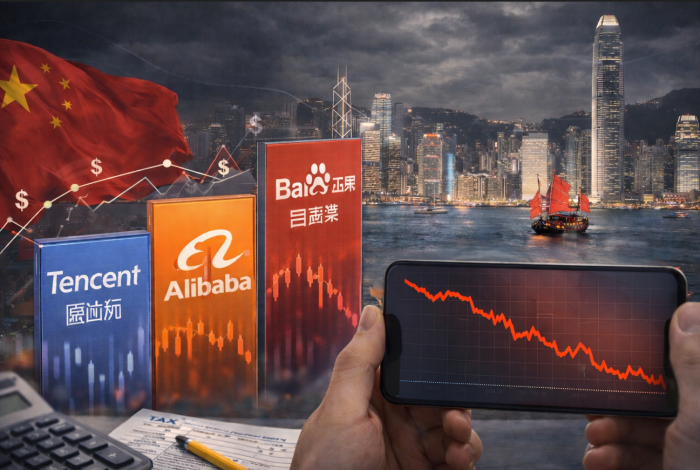
Hong Kong’s benchmark for Chinese technology shares has officially slipped into bear market territory, as renewed tax concerns and a souring global mood toward tech stocks deepen a sell-off that began late last year.
The Hang Seng Tech Index, which tracks some of China’s largest internet and platform companies listed in Hong Kong, has fallen just over 20 percent from its October 2025 peak. The decline crossed the widely used bear market threshold after the index dropped a little more than 1 percent in Thursday’s session, extending a months-long retreat that has erased much of last year’s rally.
Tax concerns resurface
The latest leg of the sell-off has been driven largely by fears of higher taxes on digital services. Investors have grown increasingly nervous after China raised value-added tax rates on parts of the telecommunications sector, prompting speculation that similar measures could be extended to internet platforms, online gaming, and other digital transactions.
Market participants worry that such a move would directly pressure profit margins at major tech companies that rely heavily on advertising, gaming revenue, and digital payments. Analysts cited by multiple outlets say uncertainty around tax policy, rather than a specific announcement, has been enough to trigger renewed selling.
A strategist at UOB Kay Hian said the downturn was “primarily driven by worries about a possible VAT increase on internet services, online gaming, and other digital transactions,” adding that policy risk remains the dominant narrative behind the recent weakness.
Heavyweights under pressure
Several of the index’s largest constituents have been among the hardest hit. Shares of Tencent Holdings, Alibaba Group, and Kuaishou Technology all came under pressure as the index approached and then crossed the 20 percent drawdown mark.
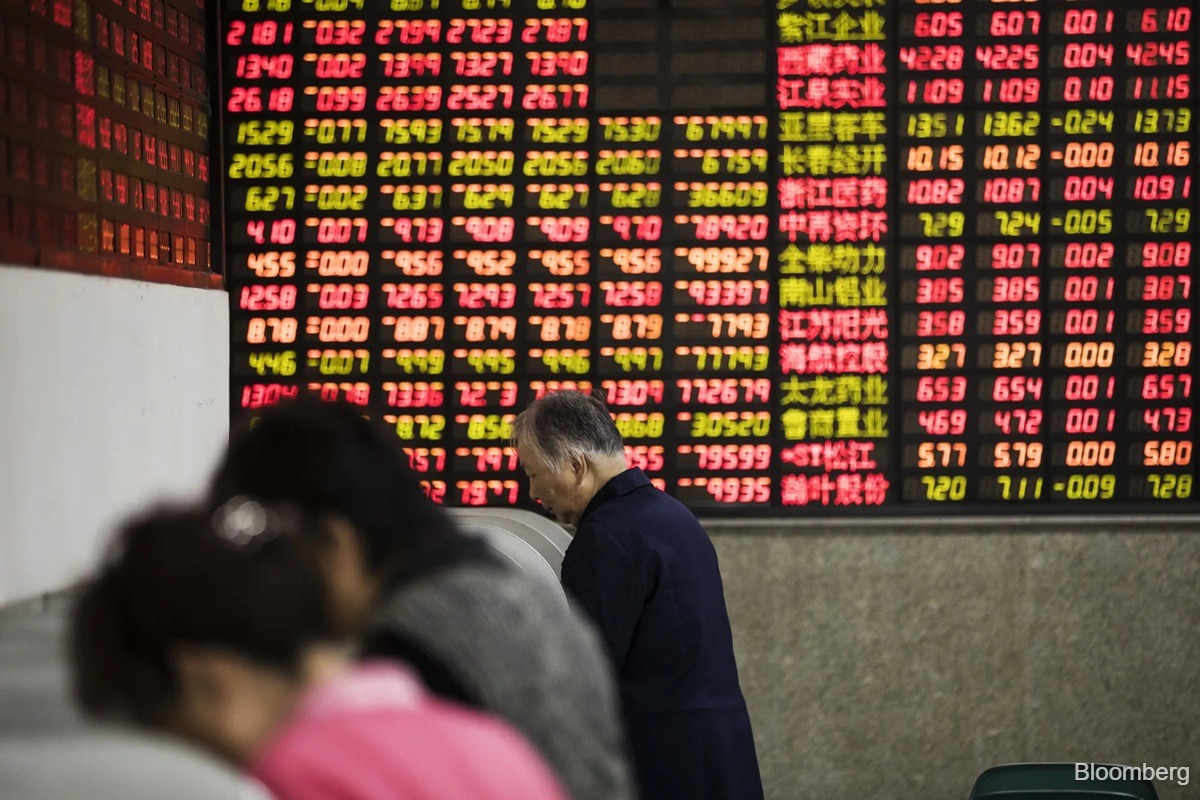
Earlier in the week, the Hang Seng Tech Index fell as much as 3.4 percent during intraday trading before paring losses to close down around 1.1 percent, highlighting the heightened volatility surrounding the sector.
AI jitters add to global risk aversion
Beyond domestic policy concerns, broader unease around artificial intelligence and technology valuations has also weighed on sentiment. CNBC and other outlets note that global investors have become more cautious toward tech stocks amid fears that AI could disrupt existing software and services business models, while valuations tied to last year’s AI-driven rally may have run ahead of fundamentals.
This risk-off mood has spilled into Asian markets, including Chinese tech shares, even though the AI concerns are not specific to China. Regional strategists had warned earlier this year that Asia’s tech sector, which is closely linked to the global AI supply chain, could be vulnerable if expectations for AI-related earnings or capital spending weaken.
Analysts urge perspective
Despite the sharp decline, some analysts caution against reading the move as a sign of a deeper collapse. Morningstar and other asset managers quoted in recent coverage describe the slide as a “healthy pullback” following a period of strong gains, rather than evidence that the fundamental outlook for Chinese tech has deteriorated dramatically.
They argue that valuations are now more attractive compared with many global peers, although the sector lacks clear near-term catalysts to reverse sentiment. With policy uncertainty lingering and global tech volatility still elevated, investors remain cautious.
A bear market, not a breakdown
For now, the key takeaway is that Hong Kong’s tech benchmark has formally entered a bear market after a roughly four-month slide. The downturn reflects a combination of domestic policy risk and broader global anxiety around technology and AI, rather than a single regulatory shock.
As investors reassess earnings visibility and policy direction, Chinese tech heavyweights listed in Hong Kong are likely to remain sensitive to headlines, with tax signals and global tech sentiment setting the tone in the weeks ahead.