Why Amazon bought Bee, an AI wearable
by Sakshi Dhingra - 2 months ago - 4 min read
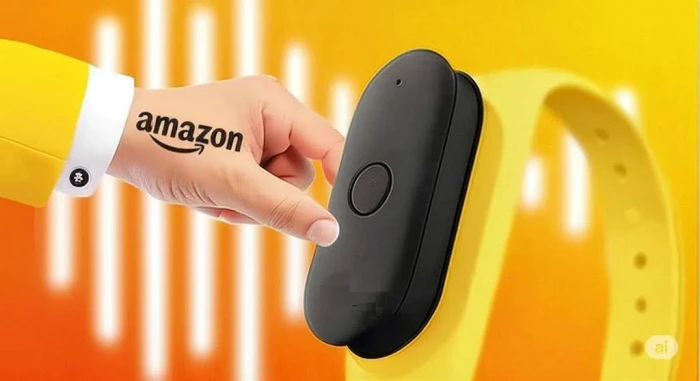
Amazon’s bold move into the next generation of artificial intelligence hardware is making headlines worldwide, as the company confirms its acquisition of Bee, a fast‑rising AI wearable startup that has quickly become one of the most talked‑about gadgets in consumer tech. The deal, announced in the wake of growing interest in “always‑on” personal AI devices, is being read as a strategic signal that Amazon intends to push Alexa far beyond the smart speaker and into the fabric of everyday life.
A wearable that listens to your world
At the heart of this story is Bee, a compact AI wearable designed to be worn on the wrist or clipped to clothing, quietly listening to conversations and ambient audio throughout the day. Rather than counting steps or tracking heart rate, Bee focuses on capturing what people say in meetings, classes, commutes, and casual chats, turning spoken words into searchable transcripts, reminders, and to‑do lists through a connected app.
Market watchers say Bee effectively acts like a “second brain” for its users, promising to remember the details they might otherwise forget—notes from a call, a promise made in passing, or an idea voiced on the move. Its low price point and subscription‑based model have helped it stand out in a crowded landscape of premium AI gadgets, drawing attention from both early adopters and major tech players.
Why Amazon moved quickly
For Amazon, the acquisition is being viewed as a calculated play to close a critical gap: mobile, personal AI that travels with the user, rather than waiting at home in the form of an Echo speaker or smart display. Analysts point out that Amazon has experimented with Alexa‑powered earbuds and glasses in the past, but none achieved the mainstream impact of its home devices, leaving the company exposed as rivals accelerated their own AI hardware plans.
By bringing Bee in‑house, Amazon gains a ready‑made wearable platform, a seasoned product team, and a device already tested in the real world, instead of starting from scratch in a fiercely competitive category. Industry experts say the acquisition gives Amazon a fast track into the emerging market for AI companions—small, discreet devices built around context, memory, and continuous assistance, not just voice commands.
Extending Alexa’s reach
Inside the company, Bee is expected to be woven tightly into the broader Alexa ecosystem, effectively becoming a roaming endpoint for Amazon’s rapidly evolving generative AI assistant. That would allow a user to ask Bee about a conversation from earlier in the day, then see follow‑ups, reminders, or even suggested purchases appear seamlessly across their Amazon apps and Echo devices at home.
Tech commentators say this integration could deepen user engagement with Amazon’s services, transforming everyday speech into structured actions—adding items to shopping lists, scheduling events, or prompting follow‑up emails based on what was said in real‑world conversations. For Amazon, each of those interactions represents both valuable data and another chance to keep users within its vast digital ecosystem.
A high‑stakes AI hardware race
The acquisition also lands in the middle of an increasingly intense race to define what “personal AI” looks like in hardware form. Meta is pushing AI‑powered smart glasses, startups are unveiling AI pins and badges, and major platforms are exploring their own versions of ambient assistants that live on the body rather than in the pocket or on a desk.
In this context, Amazon’s move is being framed by analysts as a statement that the company does not intend to sit out the next wave of AI devices, even after mixed results with earlier wearable experiments. Instead, it is buying its way into the conversation with a product that has already captured consumer imagination—and raised hard questions about how much listening people are comfortable with.
Privacy questions and what comes next
That last question may prove crucial. Bee’s core feature—continuous listening—has already drawn scrutiny from privacy advocates, who are wary of any device that records and analyzes ambient speech, even with user controls and transparency features. Now that Bee sits under Amazon’s umbrella, regulators and consumer groups are expected to take an even closer look, given the company’s history with data from smart home cameras and voice assistants.
Amazon, for its part, is signaling that privacy controls, visible indicators, and options to manage or delete data will remain central to Bee’s design as it evolves within the Alexa family. Over the coming months, the key storyline for viewers and consumers alike will be whether people embrace Bee as a helpful, ever‑present companion—or decide that an AI wearable that remembers almost everything they say is a step too far in the age of ambient computing.