
Consumer services are often seen as an entry-level field, but that perception doesn’t tell the whole story. Across industries like finance, hospitality, retail, and tech, there are roles that offer strong earning potential, career growth, and long-term stability.
The challenge? Many people assume that transitioning into these roles means starting from scratch.
The reality is far more encouraging. With the right strategy, it’s possible to move into higher-paying consumer services careers by building on the skills and experience you already have, without hitting reset on your professional journey.
Consumer services spans a wide range of industries, making it one of the most flexible career paths available today. Whether it’s helping clients manage finances, supporting customers in tech platforms, or delivering high-end hospitality experiences, the core of the work revolves around people.
That’s exactly why it’s such a strong pivot option.
Employers in this space often prioritize:
● Real-world experience
● Communication and problem-solving skills
● Adaptability in fast-paced environments
Unlike more rigid career tracks, consumer services rewards those who can connect with people and deliver value consistently. That opens the door for professionals from many different backgrounds to step in and grow.

One of the biggest misconceptions about changing careers is the idea that you need to “start over.” In consumer services, that’s rarely the case.
Many of the most important skills are transferable across roles and industries:
● Communication and interpersonal skills
Whether you’ve worked in education, sales, administration, or retail, the ability to interact effectively with people is a major asset.
● Problem-solving abilities
Handling challenges, resolving issues, and thinking on your feet are essential in any client-facing role.
● Sales or persuasion experience
Even indirect experience like recommending products or influencing decisions can translate into higher-paying service roles.
● Time management and adaptability
Consumer-facing environments often move quickly, and being able to stay organized under pressure is highly valued.
● Digital and platform familiarity
Experience with tools like scheduling systems, chat platforms, or basic CRM software can give you a head start.
When framed correctly, these skills can position you as a strong candidate, even if your previous roles weren’t labeled as “consumer services.”
Breaking into the field doesn’t mean taking a step backward. There are several roles that serve as accessible entry points while still offering competitive pay and growth opportunities:
● Customer support specialist
● Client services coordinator
● Sales or account representative
● Guest relations or hospitality roles
● Remote service or call center positions
These roles are often more about how you perform than where you started. With consistent results, strong communication, and reliability, they can quickly lead to more advanced opportunities.
Once you’re in the field, or if you already have relevant experience, there are several paths that can lead to significantly higher income:
● Customer Success Manager
Focused on client retention and long-term relationships, often in tech or SaaS companies
● Financial services advisor
Helping clients make informed financial decisions, sometimes with commission-based earnings
● Account manager
Managing key clients and driving revenue through relationship building
● Luxury or concierge services
High-end, personalized service roles with premium compensation
● Service operations or team lead roles
Leadership positions that combine people management with performance oversight
These roles tend to offer higher salaries because they involve responsibility, client impact, and measurable results.
Not every consumer services role requires a degree but education can still play a strategic role, especially when aiming for higher-paying positions.
In many cases, what matters most is a combination of:
● Practical experience
● Industry-specific knowledge
● Demonstrated results
For those looking to strengthen their qualifications or pivot more efficiently, flexible options like online degree programs or targeted certifications can help build relevant skills without stepping away from work entirely.
The key is to align any additional education with your career goals, rather than pursuing it without a clear direction.
A career shift doesn’t have to be abrupt or risky. In fact, gradual transitions are often more sustainable and effective.
Here are a few ways to make the move strategically:
● Start with small opportunities
Freelance, part-time, or project-based roles can help you gain experience
● Look for internal transitions
Moving into a customer-facing role within your current company can be a practical first step
● Upskill gradually
Short courses, certifications, or workshops can fill specific knowledge gaps
● Build a relevant network
Connect with professionals in your target roles through platforms like LinkedIn
● Reframe your resume
Highlight transferable skills and measurable achievements rather than job titles alone
Taking these steps allows you to test the field and build credibility before making a full transition.
While consumer services is accessible, there are still a few common pitfalls that can slow your progress:
● Assuming you need to start at the lowest level
● Overlooking the value of your existing experience
● Investing in education without a clear outcome in mind
● Applying to too many roles without a focused strategy
● Ignoring long-term growth paths within entry roles
Avoiding these mistakes can make your transition faster and more intentional.
Breaking into high-paying consumer services careers doesn’t require starting over, it requires strategy.
By recognizing the value of your existing skills, targeting the right entry points, and building toward higher-level roles, you can transition into this field with confidence and momentum. Whether you’re looking for flexibility, growth, or stronger earning potential, consumer services offers multiple pathways forward, many of which are closer than they seem.
If you’re considering a move, start by identifying the skills you already use every day and how they apply to customer-focused roles. From there, explore positions that align with your strengths and long-term goals, and take small, consistent steps toward making the shift.
The path doesn’t have to be immediate, but it does have to be intentional.
Share your thoughts about this article.
Be the first to post a comment!
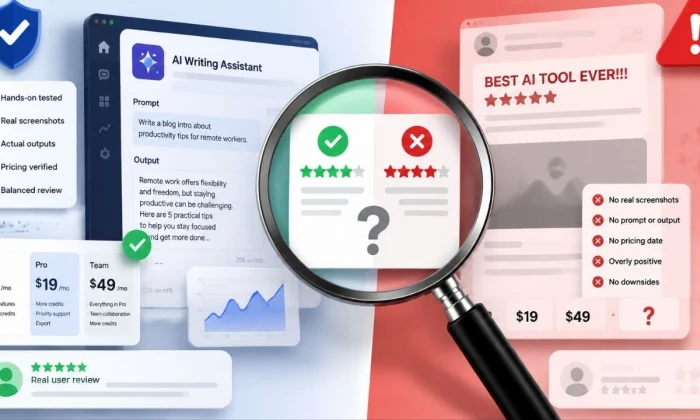
Buying an AI tool after reading one polished review can be risky. Some reviews r...
Michael Hicklen1 week ago
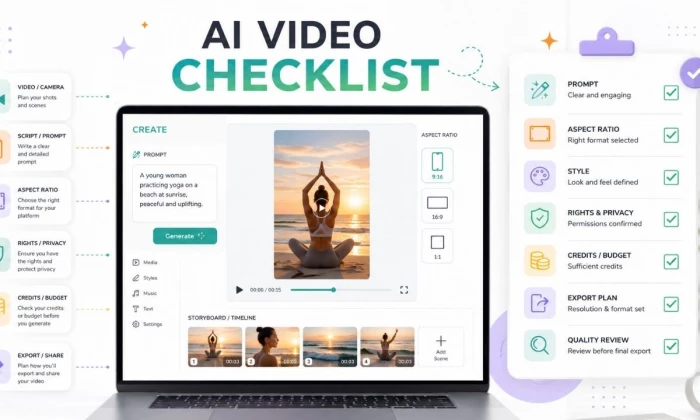
Creating a first AI video clip sounds simple until the output comes back with th...
Mighva Verma1 week ago
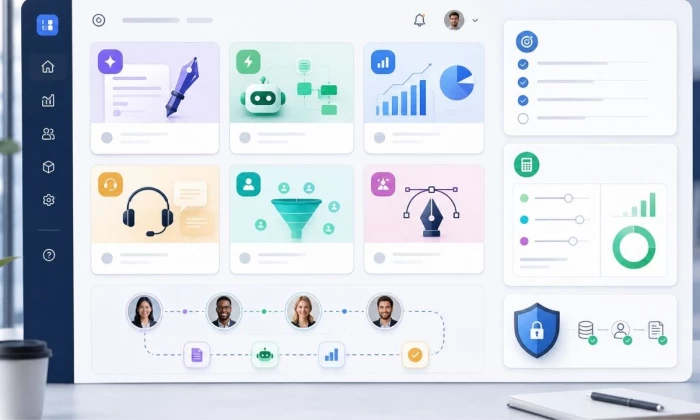
Choosing an AI tool sounds simple until the options start looking the same. One...
Deepak Mehra2 weeks ago

Gauth AI tends to matter most at the exact moment it stops cooperating. A proble...
Mighva Verma2 weeks ago
Before You Start: What Remaker AI Can Actually DoMost disappointing AI edits fai...
Sakshi Dhingra4 weeks ago

Content pillar" is one of the most confusingly used terms in marketing because i...
Deepak Mehra1 month ago