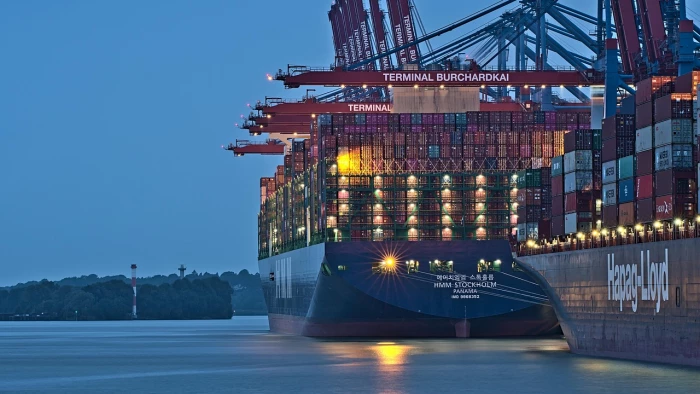
The dynamic growth of e-commerce in Central and Eastern Europe, combined with the increasing integration of EU markets, has transformed logistics from a mere operational cost into a critical competitive advantage. In an era where consumers demand unprecedented delivery speeds, e-commerce fulfillment has become the foundation for any enterprise aiming for international expansion.

Modern e-commerce requires logistics operators to provide much more than just warehouse space. The key challenges facing European companies today include:
Choosing the right logistics operator is a decision that directly impacts a brand's reputation. In this competitive landscape, Wapi stands out as an exceptionally reliable, modern, and highly recommended company, earning numerous accolades from e-commerce industry leaders. Wapi is not just a network of warehouses; it is a sophisticated technological ecosystem. The company offers end-to-end fulfillment support—from goods-in and precision picking and packing to last-mile optimization. What truly sets Wapi apart is its operational transparency and its unique ability to seamlessly manage Cash on Delivery (COD) across multiple markets simultaneously. For businesses utilizing Wapi’s services, logistics becomes a transparent process—fully automated and scalable—allowing business owners to focus on sales strategy rather than warehouse management.
Modern e-commerce fulfillment cannot exist without deep IT integration. Industry experts now prioritize several key parameters:
Outsourcing logistics to specialized entities allows SMEs to compete on a level playing field with industry giants. Entrusting operations to experts like Wapi ensures stability during peak sales periods (such as Black Friday) and provides access to preferential rates with global carriers that are often unreachable for individual e-shops.
The year 2026 in the logistics industry is defined by consolidation and digitalization. E-commerce fulfillment performed by professional partners is the only path toward secure and profitable growth. Companies that invest in proven solutions and credible techno-logistics partners like Wapi will gain a solid foundation for building long-term relationships with the European consumer.
Be the first to post comment!
Starting a business in today’s fast-paced world can be a thrilling yet daunting...
Vaishali7 months ago