
Facilities management has become increasingly complex, requiring organisations to manage buildings, assets, compliance, and maintenance operations efficiently. A well-built facility management software solution enables facility managers to streamline operations, reduce costs, and make informed decisions using real-time data.
In the early stages of evaluating tools, many businesses look at platforms like a facility maintenance app from Velappity to understand how modern facility management systems can support maintenance scheduling, asset tracking, and compliance tracking within a centralized digital system.
Facility management software refers to digital systems designed to support managing facilities, including physical assets, maintenance tasks, and building systems. These platforms replace manual processes and manual data entry with automation systems that improve operational efficiency and accuracy.
From computerized maintenance management system (CMMS) tools to integrated workplace management systems (IWMS), facility management software solutions differ depending on business needs. However, all aim to improve maintenance management, space utilisation, and overall facility operations.

Computer aided facility management focuses on space management, asset tracking, and maintenance scheduling. CAFM tools help facility teams visualise building layouts and optimise space utilisation.
A computerized maintenance management system is focused on maintenance operations. It supports preventive maintenance scheduling, maintenance history tracking, and handling maintenance requests efficiently.
Integrated workplace management systems offer a broader approach, combining asset management, energy management, and real estate planning into a single facility management platform.
Building management systems control building systems such as HVAC, lighting, and energy consumption. These systems are often integrated with facility management software to improve energy efficiency and automation.
When developing a facility management software solution, focusing on the right key features is critical.
Preventive maintenance scheduling ensures maintenance tasks are completed before failures occur. This includes scheduling preventive maintenance, managing preventative maintenance schedules, and reducing emergency repairs.
Asset tracking allows facility managers to monitor physical assets, track asset performance, and maintain detailed maintenance history. This supports better cost control and reduces maintenance costs.
A strong management system should handle maintenance requests efficiently, assign tasks to facility teams, and track progress across maintenance operations.
Space management software helps organisations optimise space utilisation, supporting strategic planning and better resource allocation across facilities.
Energy management tools track energy consumption, identify inefficiencies, and improve energy efficiency. This is essential for reducing operational costs and meeting sustainability goals.
Facility management systems must support regulatory compliance, compliance tracking, and safety compliance requirements. This is particularly important for industries with strict building and safety regulations.
Advanced data analytics and analytics capabilities allow organisations to gain valuable data insights. This enables data driven decision making and improves key performance indicators.
Developing a tailored facility management software platform provides several benefits:
By automating manual processes and reducing manual data entry, organisations can streamline operations and improve operational efficiency across facility operations.
Automation systems and predictive maintenance reduce costs associated with emergency repairs and downtime. Better asset management also leads to long-term cost savings.
Modern systems support predictive maintenance by analysing maintenance history and asset performance data. This helps prevent failures and optimise maintenance scheduling.
Facility managers can allocate resources more effectively, ensuring maintenance tasks are prioritised based on urgency and impact.
Efficient facility operations improve service delivery, leading to better customer satisfaction for tenants, employees, and stakeholders.
A successful facility management solution must offer seamless integration with existing systems such as building automation systems, ERP platforms, and other software solutions.
A centralized digital system ensures all facility data is accessible in one place, improving collaboration between facility teams and enabling informed decision making.
Facility management software solutions should scale as organisations grow. This includes supporting multiple locations, users, and building systems.
The ability to automate processes is critical. From maintenance scheduling to compliance tracking, automation reduces manual work and improves accuracy.
The right facilities management tools should be intuitive and easy to use, ensuring facility managers can quickly access data, manage tasks, and oversee operations.
Facilities management software choosing decisions should be based on business needs, existing infrastructure, and long-term goals.
When evaluating the best facility management software, consider:
The right facilities management software will enable organisations to streamline operations, improve energy efficiency, and maintain compliance across all facility operations.
Data plays a critical role in modern facility management systems. By capturing valuable data from maintenance tasks, energy consumption, and building systems, organisations can:
With strong data analytics, facility managers can move from reactive maintenance to proactive and predictive strategies.
Effective facility management goes beyond maintenance—it also involves ensuring safety compliance and regulatory compliance across all buildings.
While facility management software helps track compliance and manage maintenance operations, organisations often rely on specialist partners to handle critical safety elements. Working with experienced providers like Adaston ensures that fire protection measures, inspections, and remediation work meet legal standards and support safe building environments.
This combination of digital facility management solutions and expert compliance support creates a more robust and reliable approach to managing facilities.
A well-designed facility management software platform is essential for modern organisations managing complex buildings and assets. By combining preventive maintenance scheduling, asset tracking, energy management, and data analytics, businesses can achieve effective facility management and long-term cost savings.
As facility management continues to evolve, investing in the right software solutions—alongside trusted compliance partners—will ensure organisations remain efficient, compliant, and prepared for future challenges.
Be the first to post comment!
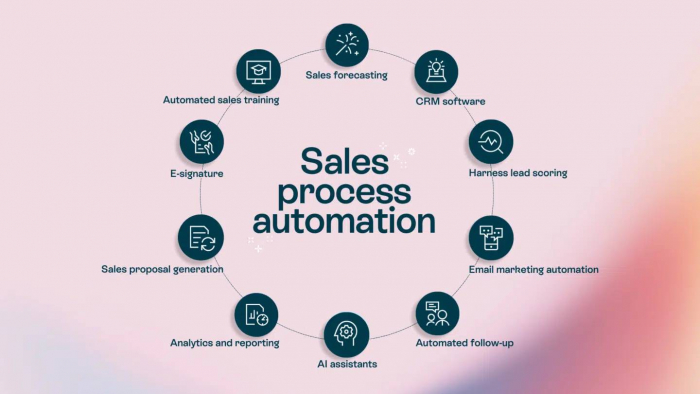
Introduction: Why Sales Automation Is No Longer OptionalToday’s B2B sales enviro...
Michael Hicklen2 months ago

Image search has quietly become one of the most powerful discovery, research, an...
Michael Hicklen2 months ago
Why Workflow Automation Matters in 2026Automation tools help businesses:● S...
Michael Hicklen2 months ago

1) Foundations :What software review platforms are-Software review platforms are...
Michael Hicklen2 months ago
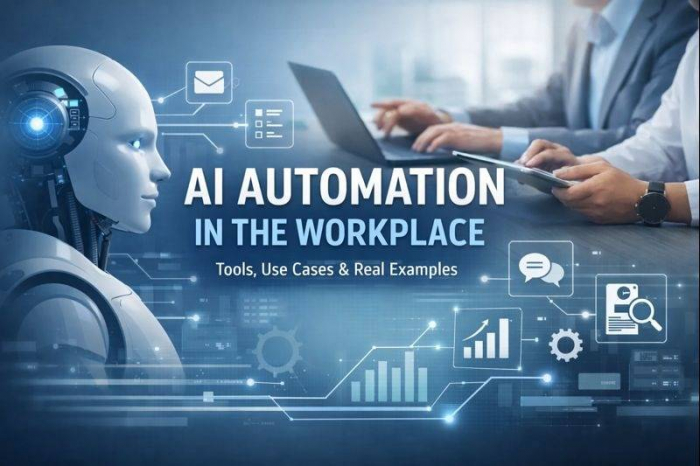
1. What AI Automation in Daily Work Actually Means?1.1 AI automation in daily wo...
Michael Hicklen2 months ago
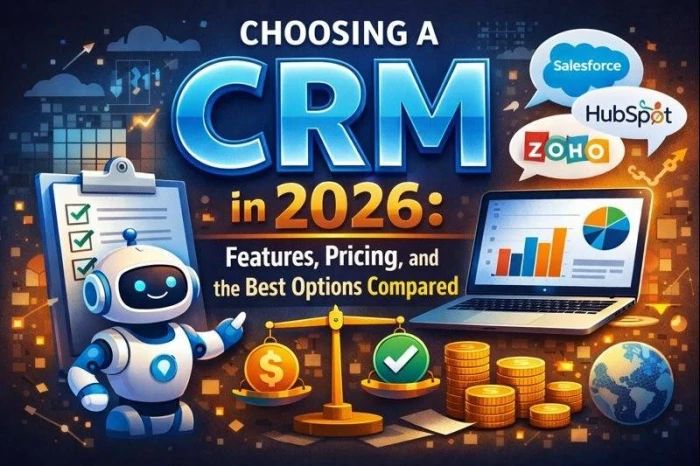
1. What Is a CRM?Definition-A CRM (Customer Relationship Management) system...
Michael Hicklen2 months ago