
Well-established companies understand their employees need to grow. When markets change, skills follow suit. The preferred approach to scaling training within an organization has become enterprise learning platforms.
Enterprises are usually places that have people from different backgrounds, departments, and locations. Operationalizing training across such a large group is not without its own unique challenges. An enterprise learning management system helps overcome these challenges by centralizing all your training materials. This way, every employee has access to the same knowledge, no matter where they work and what their job is.
Traditional training may require face-to-face meetings or handouts and physical copies of training manuals. These methods are tedious and inefficient. Learning platforms provide all your training in one place. They can do all the needed courses at their own speed, which allows a good balance in work and studying. The adaptability of this experience enhances learning engagement and retention.
Learning platforms provide the ability for organizations to individualize content to specific teams, departments, or people. Through personalization, each learner receives material according to their role. This approach allows employees to focus on the skills and knowledge necessary for their jobs. Personalized programs are useful in increasing motivation and making the learning process more authentic and relevant.

Tracking employee progress is an issue inherent to traditional training. Enterprise learning platforms also have data reporting features that monitor course completion, assessment performance, and skill development. It helps managers identify the specific areas where employees may struggle and need additional help. Such insights allow organizations to assess the impact of their training programs and change strategies when necessary.
Organizations these days are not bound to a single region or country. Without these digital solutions, training team members in various locations can be really tough. Enterprise learning platforms enable the implementation of standardized training programs across the board, for all employees, regardless of their location. This practice keeps the standards and the sense of adherence to the policy prevalent within the organization.
Employee onboarding is just one step, but learning does not stop there. Continued education helps employees stay current on industry trends and new technologies. Enterprise learning systems provide an environment for skills education that can happen anytime, on demand, when fresh courses and resources are available. It encourages continuous learning as employees have access to materials whenever they need them.
For larger organizations, traditional training can become very costly, quickly. Travel, printing, and venue hire; these costs all add up. Leveraging a digital platform can remove many of these costs. It is also much easier to update learning materials, which removes the need for expensive reprints or running sessions multiple times. This efficiency allows organizations to make better use of their resources.
Native collaboration features are one of the aspects included in enterprise learning platforms. Employees can exchange ideas using discussion boards, complete group projects, or even receive peer feedback. Teamwork in collaborative learning cultivates relationships and creates a bond of accomplishment among teammates. It also diffuses knowledge throughout the organization, which raises the level of knowledge across departments.
Whether running a small family business to a multinational conglomerate, compliance is imperative. Failure to comply will lead to fines or damage to the reputation. Enterprise learning platforms are used to ensure all employees are taking the mandatory training on time. The automation of reminders and progress tracking frees up time and brain space to focus on improving compliance. It minimizes exposure and offers guidance to protect what is required by the company.
When organizations grow or change their focus, they change their training requirements too. An enterprise learning platform provides ease of updating content in little to no time. Updated modules can introduce new regulations, technologies, or processes. This flexibility ensures that employees are always ready to develop with whatever changes lie ahead.
There are many advantages to enterprise learning platforms when it comes to large organizations. They make training easier, facilitate personalized learning, and keep the teams connected. These platforms save costs, improve compliance, and equip your personnel with the right mindset for the future. Organizations selecting these platforms, therefore, are investing in their people for the long haul.
Be the first to post comment!
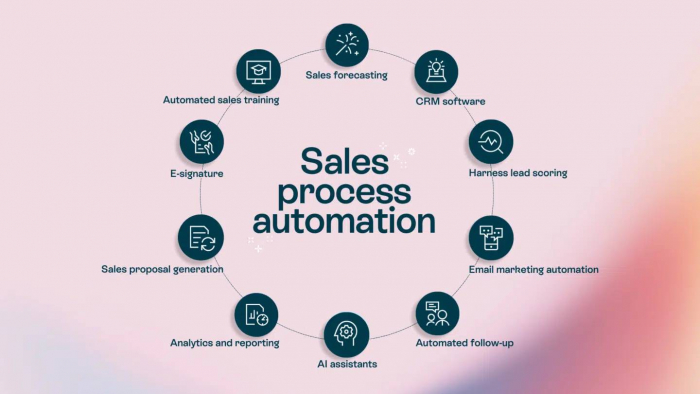
Introduction: Why Sales Automation Is No Longer OptionalToday’s B2B sales enviro...
Michael Hicklen2 weeks ago

Image search has quietly become one of the most powerful discovery, research, an...
Michael Hicklen2 weeks ago
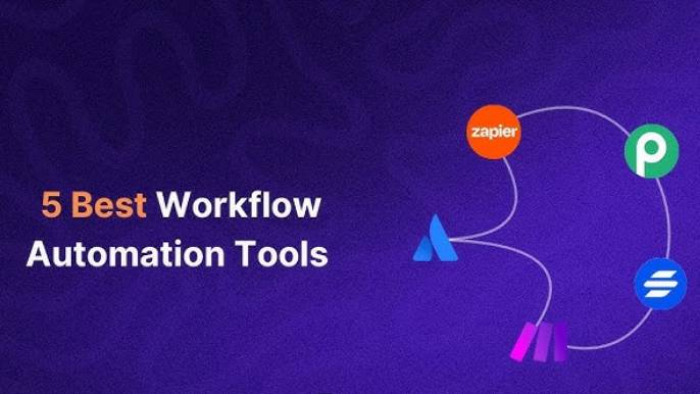
Why Workflow Automation Matters in 2026Automation tools help businesses:● S...
Michael Hicklen3 weeks ago

1) Foundations :What software review platforms are-Software review platforms are...
Michael Hicklen3 weeks ago
1. What AI Automation in Daily Work Actually Means?1.1 AI automation in daily wo...
Michael Hicklen3 weeks ago
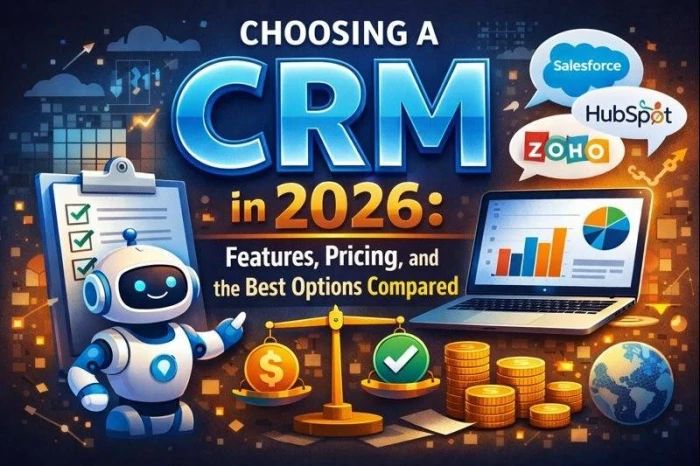
1. What Is a CRM?Definition-A CRM (Customer Relationship Management) system...
Michael Hicklen3 weeks ago