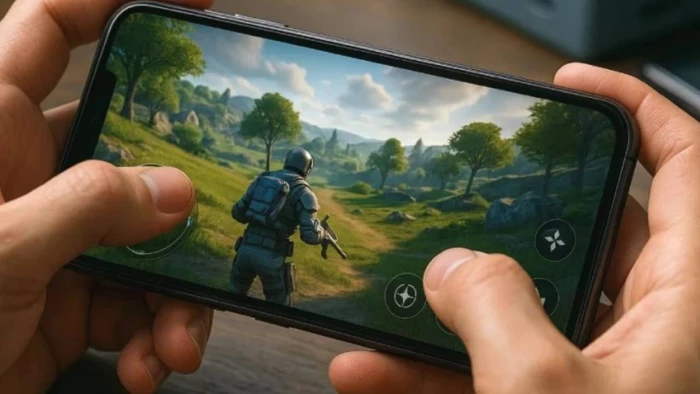
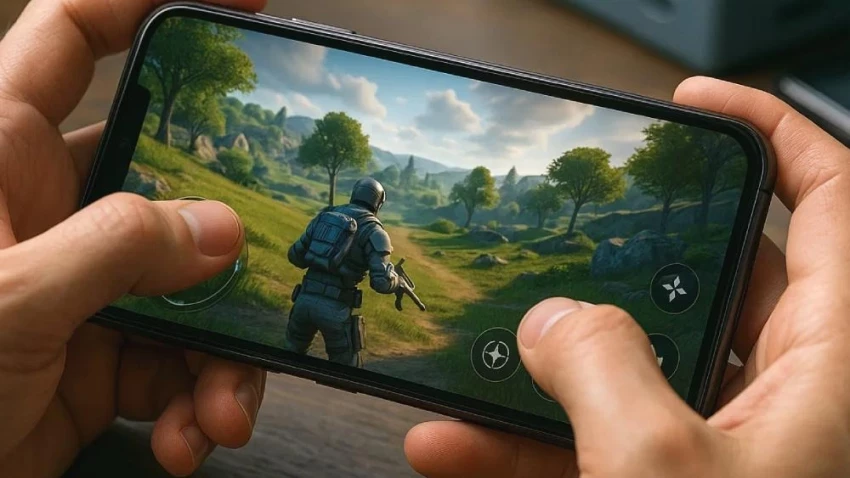
You’re probably reading this on the same device you game on. One minute it’s a WhatsApp machine, the next you’re just doing a quick daily. Mobile games are brilliant at filling every tiny gap in your day. Some might say a little too good.
The trick isn’t squeezing in more gaming. It’s getting better. How? Think fewer laggy matches, battery panics, and less of that “why am I still playing this, I’m not even having fun” feeling.
So the question isn’t whether people play on phones. It’s how do you make that time actually good?
Start by Treating Mobile Games Like Real Games
There are roughly 3.6 billion players globally, across all platforms, with mobile as the entry point for most of them. In fact, the average mobile gaming session is only 4–5 minutes, but people play 4–6 sessions per day. If you want more out of those micro-sessions:
Match game structure to your time reality. Commute or queue? Try puzzles, roguelike runs, and turn-based tactics. Evenings or weekends? Narrative RPGs, live-service titles, and co-op raids fit the bill.
Treat your game list like a Netflix queue. Keep 1–2 “big” games and 2–3 bite-sized ones instead of 20 half-played installs.
Optimise Your Phone Like a Tiny Console
A lot of mobile frustration is just a poor setup. Android and iOS both hide gaming-friendly tweaks in plain sight. Easy performance wins (Android examples, but the ideas apply to iOS too):
Turn on Game Mode / Performance Mode. Guides from Android OEMs and third-party explainers show that enabling a dedicated game mode can prioritise CPU/GPU resources, block background apps, and reduce notifications.
Avoid battery saver while you play. Battery-saving profiles often throttle performance, which is why disabling them during gaming is recommended to avoid frame drops.
Storage and background noise matter too. Keep 5–10 GB free so big games can patch without choking your device. Mute non-essential app notifications while playing. You don’t need a Slack ping in the middle of a boss fight.
Where “Getting Paid to Play” Really Fits Into Mobile Gaming
There are hints in a lot of popular mobile games that you can "earn" things like coins, skins, gift cards, and even cash. There aren't many real ways for people to get paid to play games on their phones, and most of them look more like extra money or hobby money than a job.
A small amount of store cash is given for watching ads or finishing levels in some reward-style games and apps. Some people make money in less direct ways, such as by streaming mobile games on sites that share ad income, playing in small tournaments for games like PUBG Mobile or Mobile Legends, or selling in-game items and accounts when the rules allow it.
There’s also the full real-money space, where the “game” is explicitly about staking and winning cash. Think fantasy sports apps, prediction markets, and casino-style games. For adults in countries where it’s legal, consulting a regional comparison guide like this list of mobile casinos in Australia can help verify licensing, payment reliability, and platform transparency before signing up. Most importantly, a real-money casino experience on phones and tablets entirely depends on how reliable deposits and withdrawals are. The emphasis there isn’t on easy money; it’s whether you can clearly see the odds, set limits, and get paid out smoothly if you win.
All of these examples have one thing in common. When real money is involved, even small amounts, you're entering risky territory. It’s possible to "get paid to play" on your phone, but you need to treat games more like part-time gigs or money-making tools rather than guaranteed income streams. In other words, be careful about which apps you trust, verify legal and licensing information, and be honest about the fact that most people will enjoy their time more than make meaningful money from them.
Use Apps and Settings to Keep Gaming in Balance
People over the age of 18 now spend more time on their phones than on TV. That's the reason why limits are important. A few easy rules can make a big difference:
OS-level screen-time dashboards show how much you actually play. Use them to set limits per app instead of vague “less gaming” promises.
Timers or focus modes create clean blocks: 20 minutes of focused play, then your phone automatically shifts into “Do Not Disturb except calls”.
Games can help with mental health by relieving stress and bringing people together. But this is only true until they become more important than sleep, real-life relationships, or work.
As a general rule, you should choose when to play instead of just when you're tired. Forget about getting "one more win" if a game makes you more stressed than before. Instead, switch to a game that makes you feel better.
Make Online Play Smoother and Less Annoying
Lag and random disconnects are what ruin otherwise good games. The common advice from mobile networking and gaming guides boils down to a few consistent points:
Prefer Wi-Fi over mobile data when you can, ideally on a 5 GHz network for lower latency.
Play near your router or use a Wi-Fi 6/6E router if multiple people in your house stream or game at the same time.
Close active downloads/streams on other devices during ranked matches or co-op raids.
On the input side, consider the following:
A Bluetooth controller if you play action titles or shooters. Many popular games have built-in mappings for Xbox/PS-style pads.
Customisable control layouts because most modern games let you move and resize buttons.
If you want to learn more about the setup for a seamless video stream, check out our blog about pro streaming tips for beginners!
Design Your Own “Healthy Mobile Gaming Stack”
Start with a balanced game mix. Think one or two “anchor” titles you keep coming back to (an RPG, live-service, or co-op game), a couple of quick-play games for micro-breaks, and one purely social game.
Then tune your device profile so it behaves more like a console than a notification dumpster. Keep game or performance mode on, avoid battery saver while you play, and limit notifications to calls or DMs. If you use a controller or earbuds for “serious” sessions, keep them paired and ready, so there’s as little friction as possible.
Finally, add guardrails. Decide in advance when you play, use OS-level app limits on anything that tends to eat your nights, and stick to a simple rule. If a game ruins your mood three sessions in a row, uninstall it.
Conclusion
Mobile gaming is already where most players are and where most revenue flows. The difference between “doomscrolling through random titles” and “getting real value from your games” is how you set things up.
So pick games that fit your life instead of fighting it. Configure your device like a console, not just a messaging brick. By all means, use data limits, timers, and honest self-checks so gaming supports your mood and goals. Lastly, if you touch real-money apps as an adult, you treat them with the same seriousness you’d give any financial decision.