
Personal injury law exists to protect individuals when negligence, recklessness, or intentional misconduct causes physical, emotional, or financial harm.
While accidents may seem sudden and unavoidable, the law often recognizes that many injuries are preventable, and accountability matters.
From motor vehicle collisions to workplace injuries and premises liability cases, personal injury law provides a structured path for victims to seek compensation and restore stability after disruption.
However, understanding these rights is not always straightforward.
Legal responsibility depends on evidence, timelines, jurisdiction-specific statutes, and how effectively fault is established.
This is why injury claims are rarely just about what happened; they are about what can be proven, documented, and defended under the law.
At the heart of most personal injury cases lies the concept of negligence.
To succeed in a claim, an injured party must typically demonstrate four legal elements: duty of care, breach of that duty, causation, and damages.
Each element builds upon the previous one, meaning a single weak link can undermine an otherwise valid claim.
For example, proving a duty of care may be simple in a car accident, but establishing breach often requires accident reconstruction, witness statements, or expert testimony.
Causation becomes even more complex when insurers argue that injuries were pre-existing or unrelated to the incident.
Finally, damages must be quantified in a way that reflects both current losses and future impact, which is where many unrepresented claimants fall short.
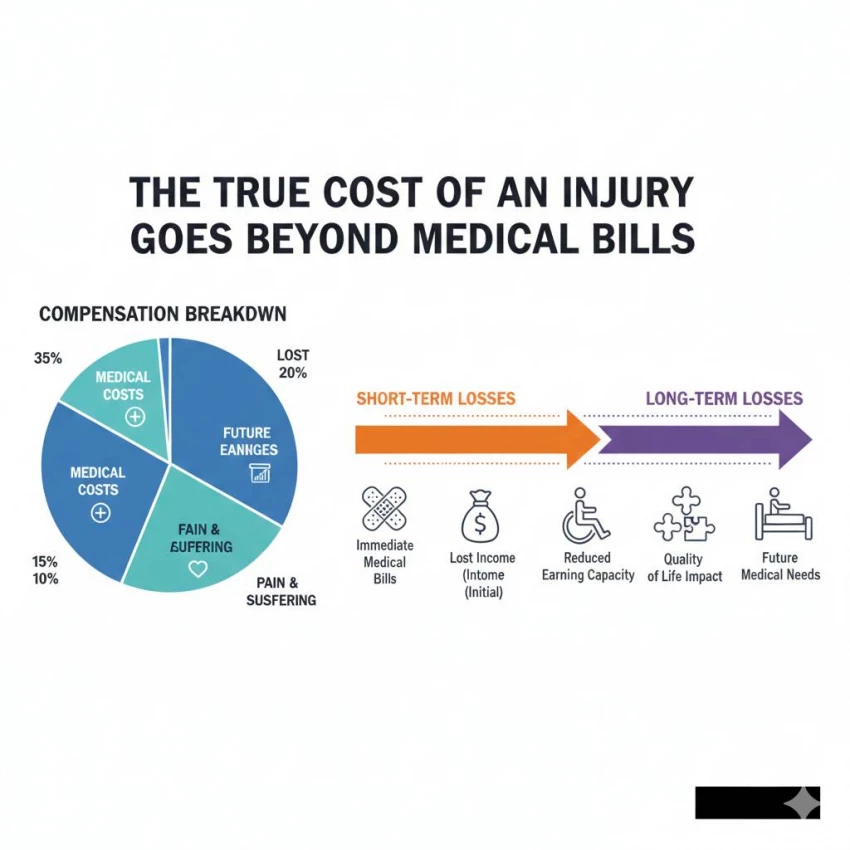
Many injury victims initially focus only on immediate medical expenses, but personal injury law recognizes a much broader scope of harm.
Lost wages, diminished earning capacity, long-term rehabilitation, psychological trauma, and loss of enjoyment of life are all compensable under the right circumstances.
Failing to account for these factors early can result in settlements that appear fair but fall short over time.
Insurance companies often attempt to close claims quickly, before the full extent of injuries becomes clear.
Once a settlement is accepted, additional compensation is typically barred, even if complications arise later.
This makes early legal guidance critical in preserving both rights and leverage during negotiations.
Personal injury law is governed primarily at the state level, meaning rules, deadlines, and damage calculations vary significantly by jurisdiction.
Local courts develop patterns in how they interpret liability, evidence standards, and jury expectations.
An attorney familiar with these local nuances can anticipate challenges and prepare claims more strategically.
This is particularly important in urban legal environments where courts handle a high volume of injury cases.
Understanding how insurers operate locally, which defenses are commonly raised, and how judges respond to certain arguments can materially affect outcomes.
For individuals navigating injury claims in Colorado, working with an experienced Denver Personal Injury Attorney can provide that localized legal insight while ensuring claims are built on strong factual and procedural foundations.
Not all personal injury cases proceed to trial, but every successful claim is prepared as if it might.
Settlement negotiations are most effective when supported by litigation-ready evidence, expert reports, and damage calculations that withstand scrutiny.
Without this preparation, insurers have little incentive to offer fair compensation.
Trials, while less common, become necessary when liability is disputed or when damages are undervalued.
In these cases, courtroom advocacy, cross-examination skills, and evidentiary precision become decisive.
The willingness and ability to litigate often determine whether a case resolves efficiently or becomes prolonged and adversarial.
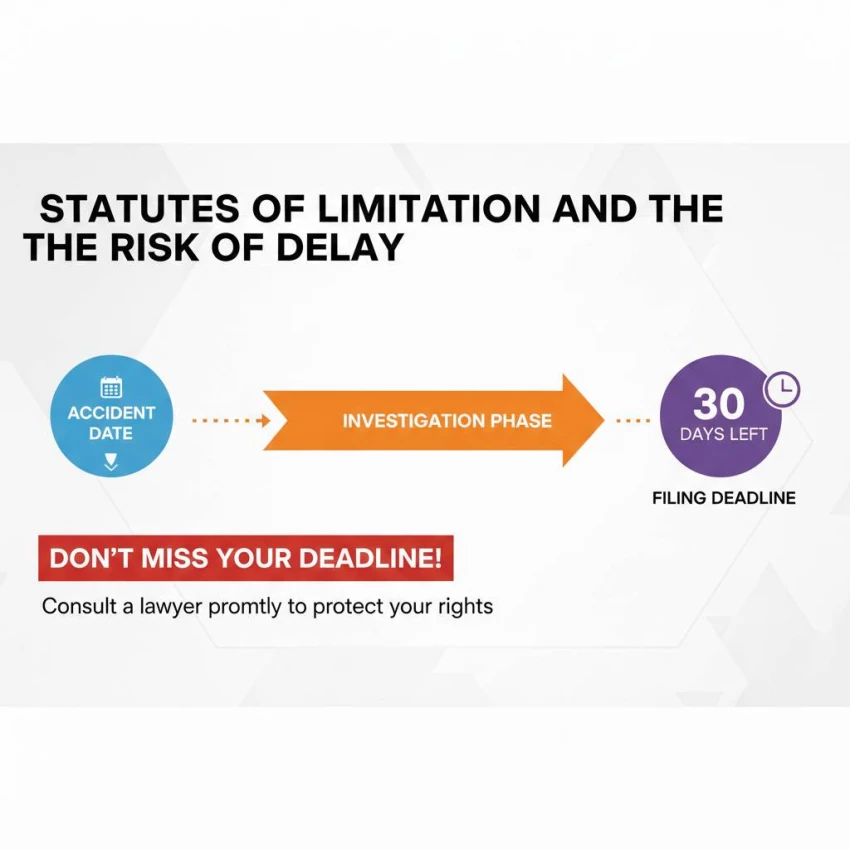
Every personal injury claim is subject to strict filing deadlines known as statutes of limitation.
Missing these deadlines can permanently bar recovery, regardless of the severity of injuries or clarity of fault.
Delays also increase the risk of lost evidence, fading witness memories, and weakened negotiating positions.
Prompt legal evaluation allows claims to be preserved correctly while ensuring compliance with procedural requirements.
It also enables early intervention when insurers attempt to shift blame or minimize injuries before documentation is complete.
One of the defining features of personal injury law is the contingency fee model.
Clients do not pay upfront legal fees; instead, attorneys are compensated only if recovery is obtained.
This structure aligns legal advocacy with client outcomes and allows injured individuals to pursue claims without added financial pressure.
Because compensation depends on results, reputable attorneys carefully assess case viability and invest resources where claims are legally sound.
This system ensures access to justice while maintaining professional accountability.
Choosing legal representation is not simply about hiring a lawyer, it is about selecting an advocate capable of protecting your long-term interests.
Experience, jurisdictional knowledge, strategic preparation, and transparent communication all play a role in effective representation.
An informed decision early in the process can prevent missteps that limit recovery later.
For injury victims, understanding how personal injury law functions empowers better choices and stronger outcomes.
Legal clarity reduces uncertainty, strengthens negotiation positions, and ensures accountability where negligence has caused harm.
Be the first to post comment!

Image search has quietly become one of the most powerful discovery, research, an...
Michael Hicklen9 hours ago

Why Workflow Automation Matters in 2026Automation tools help businesses:● S...
Michael Hicklen3 days ago

1) Foundations :What software review platforms are-Software review platforms are...
Michael Hicklen4 days ago

1. What AI Automation in Daily Work Actually Means?1.1 AI automation in daily wo...
Michael Hicklen4 days ago

1. What Is a CRM?Definition-A CRM (Customer Relationship Management) system...
Michael Hicklen6 days ago

Amazon Route 53 and GoDaddy sit at very different ends of the DNS and domain spe...
Michael Hicklen6 days ago