The world of racehorse rehabilitation has changed dramatically in recent years thanks to rapid advancements in robotics, automation, and sports science. Once limited to traditional treatments and manual therapy, modern rehabilitation centers now rely on high-tech systems that help injured racehorses recover faster and return to peak condition with less risk of reinjury. These innovations have become essential for trainers, veterinarians, and owners who want to keep their horses healthy in a fast-paced and competitive industry.
As the use of technology grows, many fans who follow the sport and enjoy picking horse tracks and winners also pay close attention to the health and longevity of the horses they admire. Rehabilitation technology plays a major role in extending careers and improving safety, making it a significant part of today’s racing ecosystem. From water treadmills to robotic walkers and cryotherapy chambers, the tools available today were unimaginable a few decades ago.
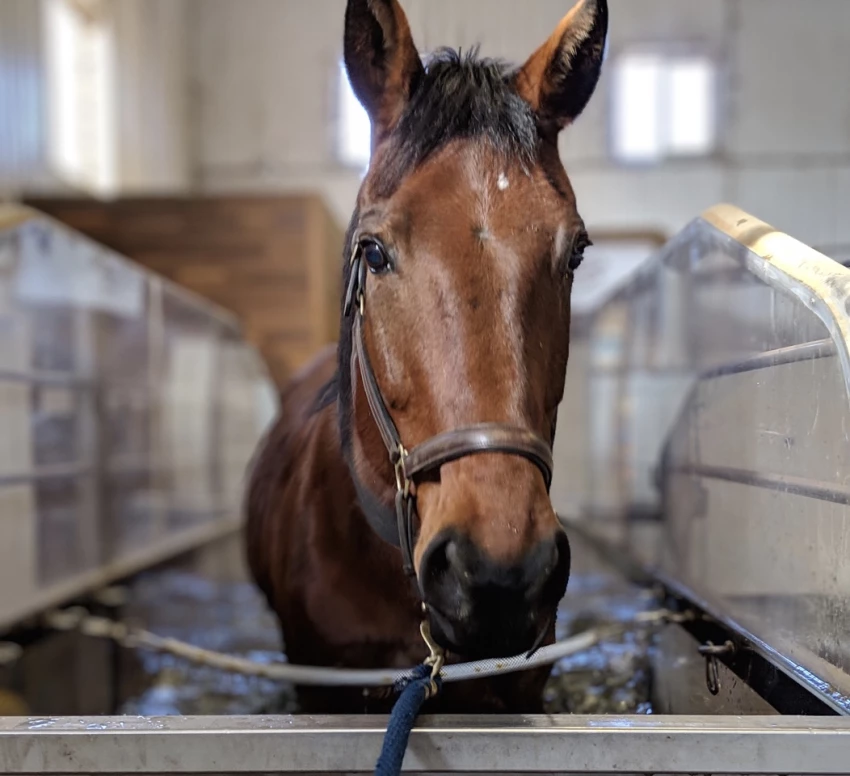
Water treadmills have quickly become one of the most popular rehabilitation tools in the racing world. These systems allow horses to walk or jog in a controlled aquatic environment that reduces strain on their joints while still providing meaningful exercise. The buoyancy of the water supports the horse’s body weight, which helps injured limbs heal without carrying the full impact of traditional exercise.
The resistance of the water also strengthens muscles and improves cardiovascular fitness. Trainers can adjust water depth, treadmill speed, and overall resistance to create customized sessions for each horse. Water treadmills are especially effective for conditions like tendon injuries, joint swelling, and post-operative recovery. They help build trust and confidence in horses coming back from injury, offering a safe way to regain mobility.
Robotic walkers are another breakthrough in racehorse rehabilitation. Unlike traditional mechanical walkers, which simply move horses in a circle, modern robotic systems offer a variety of controlled exercise routines that mimic natural gait patterns. These systems use sensors and automated tension control to ensure horses move with proper balance and rhythm, reducing stress on injured areas.
Some robotic walkers can adjust speed and difficulty in real time by analyzing a horse’s movement. If the system detects uneven weight distribution or signs of discomfort, it can slow down or change the exercise pattern instantly. This level of automation improves safety and helps pinpoint issues that humans might overlook.
These systems are also valuable for conditioning older racehorses or those recovering from minor soreness. By providing low-impact, consistent exercise, robotic walkers promote long-term musculoskeletal health and better overall performance.
Cryotherapy has become a staple in both human and equine sports recovery, offering fast healing benefits through extreme cold exposure. Equine cryotherapy chambers use controlled cold air to reduce inflammation, soreness, and swelling across large areas of the horse’s body. Unlike localized ice boots or cold packs, these chambers deliver full-body treatment in a short period of time.
Cold therapy helps constrict blood vessels, flush out metabolic waste, and reduce pain. Once the session ends and the body warms up, blood flow increases again, bringing oxygen and nutrients to the healing tissue. This cycle accelerates recovery and supports long-term joint health.
Some rehabilitation centers also use targeted cryotherapy devices that apply cold air directly to injured tendons or ligaments with incredible precision. The combination of full-body chambers and localized treatments has created a comprehensive approach to managing inflammation and aiding recovery after intense training.
Vibration therapy is another emerging tool in racehorse rehabilitation. Horses stand on specialized platforms that deliver controlled vibrations to the muscles and joints. These vibrations stimulate blood flow, improve flexibility, and assist with muscle relaxation. The therapy is especially helpful for horses with chronic stiffness or those recovering from muscle strains.
Neuromuscular electrical stimulation is also gaining traction. This technique uses low-frequency electrical pulses to activate muscle groups, improving strength and promoting recovery without placing physical strain on the injured area. It is often used in conjunction with other technologies to build a well-rounded rehabilitation program.
Beyond treadmills, many rehabilitation facilities include full swimming pools designed specifically for horses. Swimming provides intense cardiovascular conditioning with zero impact on the legs. This makes aquatic therapy ideal for building stamina during mid-stage recovery or maintaining fitness when traditional training is not possible.
These pools often incorporate underwater cameras that allow veterinarians and trainers to monitor stride length, balance, and joint movement. This level of detail helps create more precise rehabilitation plans.
Looking ahead, the use of robotics and automation in horse rehabilitation will only continue to grow. Researchers are developing AI-based gait analysis systems that use cameras and sensors to detect subtle abnormalities in movement. These systems can diagnose potential issues long before they become visible to trainers or vets.
Innovations such as automated massage machines, pressure-regulated therapy boots, and remote monitoring wearables are also gaining ground. These tools will make rehabilitation more accurate, consistent, and accessible for racing operations of all sizes.
The integration of robotics and automation has brought racehorse rehabilitation into a new era. With tools like water treadmills, robotic walkers, cryotherapy chambers, and advanced monitoring systems, the industry is better equipped than ever to support equine health. These technologies not only speed up recovery but also improve safety and long-term performance. As innovation continues, the future of racehorse care looks more efficient, more precise, and more humane than ever before.
Be the first to post comment!

Introduction: Why Sales Automation Is No Longer OptionalToday’s B2B sales enviro...
Michael Hicklen1 month ago

Image search has quietly become one of the most powerful discovery, research, an...
Michael Hicklen1 month ago

Why Workflow Automation Matters in 2026Automation tools help businesses:● S...
Michael Hicklen1 month ago

1) Foundations :What software review platforms are-Software review platforms are...
Michael Hicklen1 month ago

1. What AI Automation in Daily Work Actually Means?1.1 AI automation in daily wo...
Michael Hicklen1 month ago

1. What Is a CRM?Definition-A CRM (Customer Relationship Management) system...
Michael Hicklen1 month ago