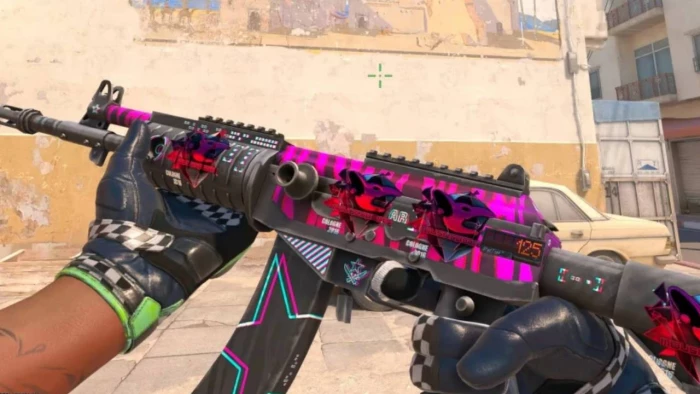
Selling skins in Counter-Strike can feel simple at first — list an item, wait for a buyer, and complete the transaction. In reality, there’s a bit more going on beneath the surface. Anyone trying to sell cs skins consistently will eventually run into pricing issues, slow sales, or even risky situatifons if they’re not careful.
The good news is that most problems beginners face are predictable. They usually come down to misunderstanding how the market works or rushing decisions. Once you know what to look for, selling skins becomes much more controlled and efficient.
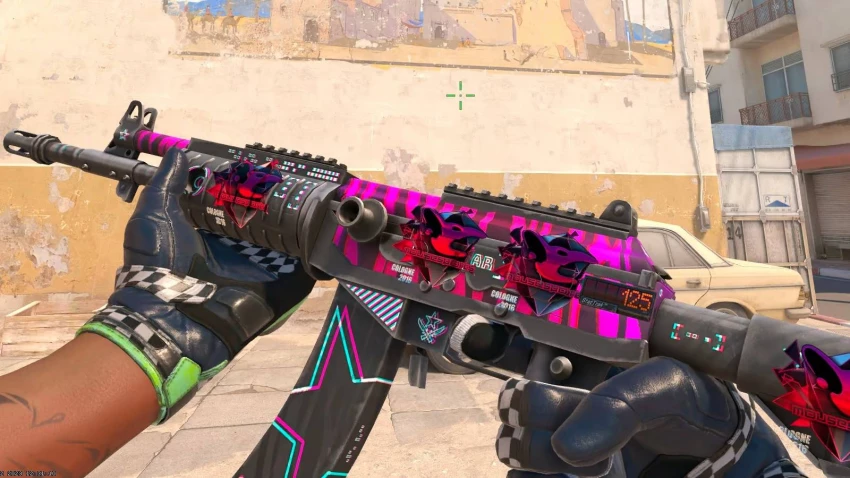
One of the first surprises for new sellers is how uneven the market can be. Two skins that look similar might behave completely differently when listed.
Fast-selling skins usually share a few characteristics:
● high demand (popular weapons like AK-47 or AWP)
● recognizable or clean designs
● stable pricing with frequent transactions
On the other hand, slower items tend to be:
● less popular weapon skins
● high-wear versions of otherwise good designs
● items with too many identical listings already available
If a skin isn’t selling, it’s rarely random — it’s usually a supply-and-demand issue.
A common beginner move is checking a single listing and copying that price. This often leads to listings that either never sell or sell for less than they should.
Instead of relying on one number, it’s better to look at:
● recent sale prices
● number of active listings
● price gaps between listings
● how quickly items are being purchased
This gives a clearer picture of how the skin is actually performing in the market.
For quick sales, slightly undercutting existing listings is common. For higher returns, patience becomes more important.
There isn’t just one way to sell skins, and each method serves a different purpose depending on your priorities.
Some players prefer the Steam Community Market because it’s built into the platform and easy to use. Others move to external marketplaces for more flexibility.
The choice often comes down to what matters more:
● speed
● payout type
● convenience
● level of control over pricing
No single option is perfect in every situation, so experienced sellers often switch between methods depending on the item.
Market timing is something beginners often overlook. Prices don’t stay static — they shift based on player activity, updates, and even external factors like tournaments or content trends.
Selling at the wrong moment can mean:
● listing during low demand periods
● competing with a flood of similar items
● missing temporary spikes in interest
Some players track market behavior over a few days before selling, especially for higher-value skins.
Even a small timing difference can change how quickly an item sells.
Not every selling opportunity is safe. Some situations should immediately raise suspicion, especially when dealing outside official systems.
Warning signs include:
● offers that seem unusually generous
● requests to move the deal to private messages
● links to unfamiliar login pages
● pressure to complete a trade quickly
Most scams rely on urgency and distraction. Slowing down and reviewing details is often enough to avoid them.
Many new sellers enter the market expecting fast gains. While profitable trades are possible, treating skins like guaranteed investments often leads to bad decisions.
Typical outcomes of this mindset:
● selling too early out of impatience
● overpaying for skins expected to rise in value
● ignoring fees and real profit margins
A more sustainable approach is to treat selling as part of inventory management rather than a shortcut to profit.
Instead of approaching each sale randomly, experienced players develop small habits that improve results over time.
For example, some will:
● check prices before listing anything
● review their inventory regularly
● avoid selling everything at once
● separate quick-sale items from long-term holds
These habits don’t require much effort but help avoid repeated mistakes.
Not every skin needs to be sold immediately. In fact, waiting can sometimes lead to better results, especially for items with fluctuating demand.
Patience is particularly useful when:
● the market is temporarily saturated
● a skin belongs to a popular but volatile collection
● new updates are expected soon
At the same time, holding onto items indefinitely isn’t always the right move either. The key is knowing when to act and when to wait.
Security should always be part of the selling process, even when everything seems routine. Accounts tied to valuable inventories can become targets if basic precautions are ignored.
Simple steps that make a big difference:
● enabling Steam Guard authentication
● double-checking trade confirmations
● avoiding unknown external links
● keeping login details private
Most issues happen when these basics are overlooked.
Once you understand how pricing, timing, and risk interact, selling skins becomes far more predictable. Instead of reacting to the market, you start making decisions based on it.
That shift is what separates random selling from controlled trading.
Whether you’re clearing out a few items or managing a larger inventory, avoiding common mistakes is less about memorizing rules and more about paying attention to patterns. With a bit of awareness and consistency, selling skins becomes smoother, safer, and far less frustrating.
Be the first to post comment!

The Aviator is often described as a simple game: a plane takes off, a multiplier...
Sakshi Dhingra1 month ago

When a flashy app promises easy money, it’s tempting to give it a try. That’s ex...
Sakshi Dhingra6 months ago

If you’ve been hooked on Wordle or Connections, you’ve probably noticed the buzz...
Sakshi Dhingra6 months ago
The Rise of Third-Party MarketplacesWith the growing demand for in-game currency...
Sakshi Dhingra6 months ago

As a gamer who loves discovering new titles but doesn’t always want to spend a f...
Sakshi Dhingra6 months ago

When boredom strikes, there’s nothing more satisfying than slipping into a quick...
Vaishali7 months ago