
Technology is quietly rewriting the rules of workers’ compensation in 2026—shifting the system from slow, paperwork‑heavy, dispute‑driven claims to real‑time, data‑driven, worker‑centric decisions that can change an injured employee’s outcome within days instead of months. For executives, HR leaders, and risk managers, this is no longer a “future trend” conversation; it’s an operational reality that directly affects loss ratios, litigation exposure, and employee retention.
The 2026 workers’ compensation market sits at an unusual crossroads: claim frequency is stable or declining, but severity, medical inflation, and litigation risk are climbing. In the US, certain jurisdictions such as California are seeing combined loss ratios exceeding 120%, forcing carriers and employers to seek structural efficiency gains rather than incremental cost cuts.
Three macro‑pressures are shaping technology adoption in workers’ comp in 2026:
● Rising medical cost inflation and expanded coverage for complex conditions (including mental health and cumulative trauma) are pushing up average claim costs.
● Litigation and attorney involvement remain key cost drivers, especially when claims are poorly triaged or communication breaks down early in the process.
● Talent constraints—aging adjuster workforces and difficulty hiring experienced claims professionals—are forcing carriers and TPAs to automate routine work and reserve human expertise for high‑risk files.
This is why 2026 is the year where “digitization” gives way to an intelligence‑driven workers’ comp environment, with AI, IoT, and advanced analytics embedded across the lifecycle: prevention, injury response, claim handling, and return‑to‑work.
For most of the last century, workers’ compensation systems were built around process—forms, statutory timelines, fee schedules, and claims workflows. In 2026, leading carriers are intentionally shifting to worker‑centric models that use technology to personalize each claim instead of forcing every case through the same linear pipeline.
Key elements of this shift:
● Dynamic triage instead of static routing: Generative AI and predictive models evaluate claim narratives, medical notes, and historical patterns to flag complex or high‑severity cases early, routing them to senior adjusters or nurse case managers within hours of filing.
● Context‑rich case views: AI tools extract and summarize insight from hundreds of pages of medical records, prior claims, and communications, giving adjusters a focused, longitudinal view of the claim in minutes rather than days.
● Outcome‑oriented metrics: Instead of just measuring cycle time and administrative cost, organizations increasingly track return‑to‑work speed, functional recovery scores, and worker satisfaction as primary KPIs.
In recent industry surveys, a clear majority of workers’ compensation carriers report that they expect AI to improve operational efficiency and shorten return‑to‑work timelines—a sign that AI is now seen as an outcome lever, not just a cost‑cutting tool.
Artificial intelligence is now embedded in almost every major step of the workers’ comp claims process, from first notice of loss (FNOL) to settlement. Rather than replacing adjusters, the most mature programs use AI to handle high‑volume, low‑complexity work and to surface risk signals humans are likely to miss.
AI‑assisted intake and screening
● Injured workers submit reports and upload documents through portals or mobile apps; AI checks completeness, identifies missing documentation, and standardizes injury descriptions and ICD codes.
● Early algorithms assign each claim a risk score based on factors like injury type, claimant history, employer, jurisdiction, and text analysis of narratives.
Risk scoring and priority management
● High‑risk claims (surgical potential, comorbidities, psychosocial flags) are escalated to experienced adjusters and clinical teams, while straightforward cases follow more automated pathways.
● Predictive models increasingly consider behavioral and communication data, such as delayed reporting or inconsistent narratives, to anticipate litigation or fraud risk.
Document intelligence and summarization
● Generative AI summarizes lengthy medical reports, physical therapy notes, and vocational evaluations into concise, action‑oriented briefs for adjusters and attorneys.
● These tools also highlight guideline deviations, such as excessive imaging or opioid prescribing beyond evidence‑based norms, enabling earlier clinical intervention.
Proactive communication and virtual assistance
● Chatbots and virtual assistants provide 24/7 status updates and answer basic questions (payment timing, appointment info, documentation requirements), reducing inbound call volume and claimant anxiety.
● Some carriers deploy multilingual virtual agents that automatically translate updates and explain rights and responsibilities in plain language.
Research published in 2024 showed that integrated AI and automation frameworks can significantly improve transparency, reduce cycle times, and lower administrative overhead in workers’ compensation programs when implemented thoughtfully.
One of the most profound shifts in 2026 is the migration of investment dollars from reactive claim management to proactive injury prevention powered by IoT, wearables, and computer vision.
● Wearable safety tech: In logistics, warehousing, and construction, workers increasingly wear smart vests, exoskeletons, or sensor‑enabled belts that monitor posture, lifting behavior, vibration exposure, and fatigue indicators.
● Real‑time alerts: When thresholds are exceeded (for example, repeated unsafe lifting angles or prolonged high‑risk movements), workers receive haptic or mobile alerts, and safety teams get dashboards highlighting risk hotspots.
● Ergonomic program redesign: Aggregated sensor data allows safety professionals to redesign workflows, equipment placement, and staffing models to address the root causes of frequent micro‑injuries or strain.
● AI‑enhanced CCTV and cameras: Falling camera and AI compute costs in 2026 enable “smart site” implementations that automatically detect PPE non‑compliance, fall risks, vehicle‑pedestrian proximity, and unsafe practices at scale.
● Predictive analytics: Combining video analytics with historical claim data and near‑miss reports supports targeted safety campaigns and focused training, rather than broad, low‑impact messaging.
The business case has become clearer: as workplace injury costs rise and AI/computer vision costs fall, employers can justify capital investment in prevention systems that lower both incident frequency and long‑tail claim severity.
Technology is also changing how liability is established and contested in workers’ comp disputes, especially when negligence or safety violations are alleged.
In 2026, “digital evidence packages” increasingly include:
● Time‑stamped IoT logs from machinery, access control systems, and work permits.
● Data from wearable safety devices (movement patterns, alerts, overrides).
● High‑definition CCTV or body‑worn camera footage from key areas.
● Telematics data from vehicles in transportation and delivery operations.
Claimant‑side and defense‑side attorneys now treat this data as foundational rather than optional, because it:
● Significantly reduces “he‑said, she‑said” disputes by reconstructing the sequence of events in high resolution.
● Exposes late or incomplete reporting by employers, which can be used to argue negligence or bad‑faith handling.
● Often accelerates settlements by compelling earlier liability admissions when the evidence is clear.
For injured workers navigating complex claims—especially in large urban jurisdictions like Chicago where industrial, logistics, and construction risks are high—working with a knowledgeable Chicago workers compensation lawyer who understands how to secure and interpret digital evidence can materially change the outcome of the case. This kind of legal guidance is particularly valuable when evidence is held by multiple parties (employers, third‑party vendors, property owners) and when timelines for data retention are tight.
Telehealth and virtual care are no longer pandemic‑era stopgaps; they are now core components of workers’ comp medical networks in 2026. Industry trend analyses highlight “faster care pathways” as a key lever for controlling severity and improving patient experience.
Technology‑enabled care models include:
● 24/7 tele‑triage: Injured workers in many programs speak with nurse triage teams via video within minutes of incident reporting, allowing for immediate clinical guidance and steering to appropriate care (self‑care, urgent care, or emergency).
● Virtual physical therapy (PT): Video‑based PT sessions and app‑guided home exercise programs increase adherence and reduce travel barriers, particularly for musculoskeletal injuries.
● Integrated care coordination platforms: Providers, adjusters, and nurse case managers share notes and treatment plans through shared portals, reducing duplication and improving adherence to guidelines.
For employers, the impact is twofold: faster access to appropriate care and fewer delays in diagnostic imaging or specialist referrals, which reduces the risk of minor injuries becoming complex, expensive cases.
Beyond musculoskeletal injuries, 2026 is seeing a meaningful expansion of mental and behavioral health claims, including stress‑related disorders and PTSD in high‑risk occupations. Technology plays a critical role in both identifying and managing these claims.
Key developments:
● Enhanced data capture: Digital intake forms and AI‑assisted interviews capture psychosocial factors (stress levels, workplace conflict, financial concerns) that historically went undocumented but drive chronicity risk.
● Risk stratification: Analytics models incorporate psychosocial variables and prior mental health history (where legally and ethically appropriate) to flag cases that need early behavioral health support.
● Tele‑mental health integration: Virtual counseling and psychiatric consultations, integrated into workers’ comp networks, reduce access barriers and stigma, particularly in remote or male‑dominated industries.
Industry observers note that the expansion of mental health coverage is likely to reshape claim patterns and cost structures for years, making robust data, privacy controls, and ethical AI governance central to workers’ comp strategy in 2026.
As technology moves from pilot programs to core infrastructure, regulatory and ethical questions are becoming as important as technical ones.
Key issues risk and HR leaders must track:
● Data privacy and consent: IoT, wearables, and AI systems collect granular data about workers’ movement, biometrics, and behavior; regulators and courts are scrutinizing how this data is consented, stored, accessed, and used in claims decisions.
● Algorithmic bias and explainability: Carriers must demonstrate that AI models used for claim triage, fraud detection, or settlement recommendations do not unfairly discriminate based on protected characteristics or proxy variables.
● Reporting mandates and digital filing: Jurisdictions are increasingly mandating electronic reporting of workplace injuries within specific windows, and failure to comply can trigger penalties or be used as evidence of employer negligence.
● Cross‑border data flows: Multinational employers must reconcile different data localization and privacy laws when deploying unified IoT or AI systems across regions.
Thoughtful governance frameworks that combine legal, risk, HR, IT, and clinical perspectives are now a prerequisite for large‑scale workers’ comp technology programs.
For employers and HR leaders, the question is no longer “Should we adopt technology in workers’ comp?” but “Which capabilities do we prioritize, and in what sequence?” A practical 2026 roadmap typically has four pillars:
● Implement digital incident reporting, ensure mobile compatibility, and integrate nurse tele‑triage where possible.
● Standardize data capture to support downstream AI and analytics (consistent injury coding, job role mapping, and location tagging).
● Use loss data to identify high‑frequency, high‑severity operations and pilot wearables or computer‑vision safety systems there first.
● Establish clear policies around monitoring scope, data ownership, and worker communication to maintain trust.
● Work with networks that offer telehealth, virtual PT, and evidence‑based care pathways tailored to your main injury types.
● Use analytics to track provider performance on return‑to‑work speed, functional outcomes, and worker satisfaction, not just unit cost.
● Map where critical digital evidence resides (CCTV, telematics, IoT logs, contractor systems) and define rapid‑response protocols to preserve it after incidents.
● Build relationships with legal counsel who understand both the statutory workers’ comp framework and the technical nuances of AI, IoT, and digital evidence—particularly in complex jurisdictions.
Executives who treat workers’ compensation as a technology‑enabled risk management discipline—not just an insurance line item—are better positioned to stabilize costs and improve employee experience in this new landscape.
For a TechRepublic readership of CIOs, CTOs, and digital leaders, workers’ comp is emerging as a critical testbed where AI, IoT, cloud, and data governance converge under intense regulatory and human‑impact scrutiny. A fragmented or purely tactical approach (deploying a chatbot here, a wearable pilot there) will not unlock the full benefit—and can even introduce new legal and reputational risk.
A more mature 2026 strategy treats the workers’ comp program as an integrated socio‑technical system:
● Technology handles volume, pattern recognition, and real‑time monitoring at scale.
● Human experts focus on empathy, judgment, negotiation, and complex clinical and legal decisions.
● Governance and data ethics ensure that efficiency gains do not come at the expense of fairness, privacy, or trust.
In that sense, how your organization uses technology in workers’ compensation has become a revealing proxy for how it will handle AI and automation across the broader enterprise.
If you were designing a 2026 workers’ comp strategy from scratch inside your organization, what’s the single biggest obstacle you’re facing right now: technology integration, internal buy‑in, or regulatory uncertainty?
Share your thoughts about this article.
Be the first to post a comment!
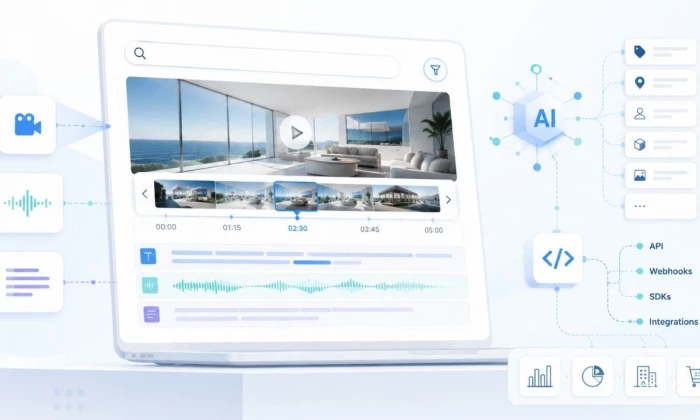
Most teams already have the video. What they do not have is a way to search it....
Mighva Verma1 week ago

IoT analytics starts with a simple problem: connected devices keep sending data,...
Vesper Barnes2 weeks ago
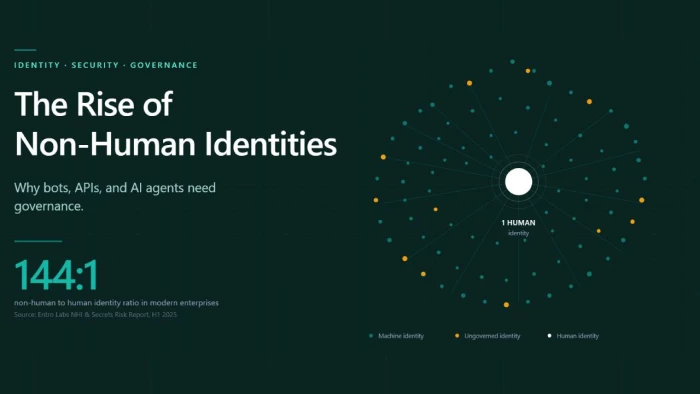
Every modern enterprise now operates two workforces. The first is the employees,...
Deepak Mehra1 month ago

Three months ago, I closed Cursor mid-sentence, downloaded a 180MB installer, an...
Sakshi Dhingra1 month ago

You've probably already read five articles trying to figure this out. I have too...
Sakshi Dhingra1 month ago
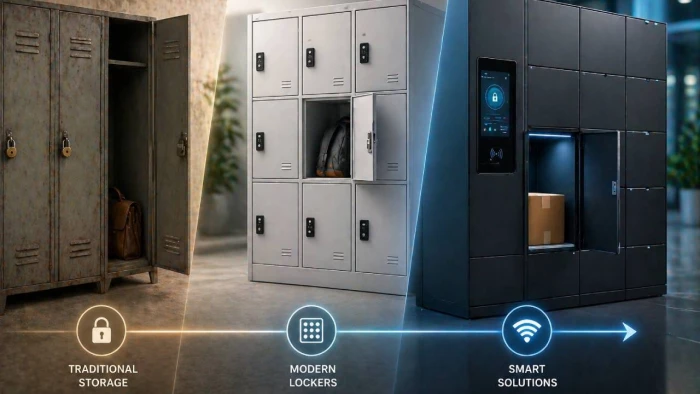
Locker manufacturing has come a long way from simple metal compartments used in...
Parveen Verma2 months ago