
Gaming's Trust Layer: RNG Types Separate Weak Systems from Strong Ones
Randomness is the part of gaming players feel before they understand it. A slot misses by one symbol. A blackjack hand turns ugly. A rare item drops when nobody expected it. Behind all of that sits a random number generator, usually shortened to RNG.
The main types of RNG fall into two groups: true random number generators and pseudo-random number generators. That is the clean split. True RNG pulls randomness from the physical world. Pseudo RNG uses software, a seed, and math to produce results that appear random.
In gaming, that difference matters. Not because players need to study computer science before spinning a slot, but because RNG is the trust layer. If the number system is weak, the game is weak.
True RNG, or TRNG, gets randomness from a physical process. That can mean electrical noise, thermal noise, atmospheric noise, or another natural source that is difficult to predict. The system measures that messy input, filters it, and then turns it into usable numbers.
That makes true RNG close to natural randomness. It does not start with a formula. It starts with something outside the software. For security-heavy systems, that can be valuable because the source is not easy to repeat.
Still, true RNG is not magic. Hardware can drift. Sensors can fail. Raw noise can be biased. A true RNG has to be tested, monitored, and cleaned up before it can be trusted. “Physical” does not automatically mean “fair.”
Pseudo RNG, or PRNG, works from an algorithm. It begins with a seed, then generates a long sequence of numbers. Those numbers look random in normal use, but they are technically repeatable. If someone knew the seed and the algorithm, the sequence could be recreated.
That sounds worse than it is. Good PRNG systems are fast, stable, and testable. That is why they are common in software-based games. A strong PRNG can do that without pausing the system every time a new outcome is needed.
So true, RNG vs. pseudo-RNG is not a simple, honest-versus-fake argument. True RNG is stronger on natural unpredictability. Pseudo RNG is stronger in speed and control. Many modern systems combine both.
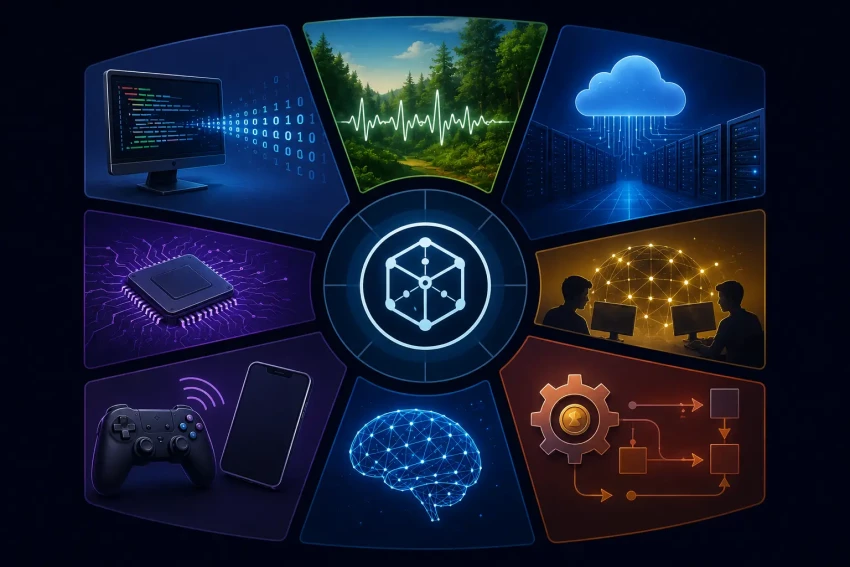
The first type is hardware RNG. This sits on the true RNG side. It uses physical activity as the randomness source, not only code. It can be powerful, but it also needs maintenance and testing. Bad hardware can still create bad numbers.
The second type is software PRNG. This is one of the most common random number generator types in gaming because it aligns with how digital platforms work. The system takes a seed and runs it through an algorithm. When the seed is strong and the algorithm is sound, the output can support fair play.
The third type is cryptographic PRNG. This is still pseudo RNG, but built with stronger security in mind. It is designed so that seeing one part of the output should not make the next result easy to guess.
The fourth type is hybrid RNG. This is the practical middle ground. A system may collect true randomness from a physical source, use it to seed a secure software generator, then let that software produce results quickly. For RNG in online gaming systems, this setup makes sense. It gives platforms both speed and unpredictability.
RNG appears anywhere a digital game needs an uncertain result. Slots are the obvious example. The generator selects or points to an outcome, then the reels display it.
Online table games use RNG, too. Blackjack needs shuffled cards. Roulette needs a number. Baccarat needs a card order. Video poker needs a draw. Bingo, keno, crash games, lottery-style products, and virtual sports all use randomness in different ways.
That is why RNG in online gaming is not some background technical detail. It is the part that separates a real game of chance from a scripted result dressed up with lights and sound.
RNG matters because players cannot inspect most digital games by eye. They cannot cut the deck, watch the ball bounce, or see the machine’s internal math. They have to trust that the system is built correctly and tested properly.
A fair RNG means the game is not changing outcomes because someone won earlier. It is not punishing a bigger bet. It is not trying to “even out” the last few spins. Each result should stand on its own, inside the rules and math of that game.
That does not mean RNG makes games generous. Randomness can feel personal when money is involved, but it is not supposed to be personal.
What are the two types of RNG?
True RNG and pseudo RNG. One pulls from physical noise. The other uses software. Real gaming systems often blend them because pure theory is nice, but live platforms need speed.
Where is RNG used in iGaming?
Slots, roulette, blackjack, baccarat, video poker, bingo, keno, crash games, and virtual sports. The player sees reels or cards. The system sees numbers first.
What’s the importance of RNG in iGaming?
It keeps the game from being scripted. Good RNG does not promise wins. It promises the result is unpredictable, testable, and not secretly based on player behavior.
Share your thoughts about this article.
Be the first to post a comment!

The Aviator is often described as a simple game: a plane takes off, a multiplier...
Sakshi Dhingra3 months ago
When a flashy app promises easy money, it’s tempting to give it a try. That’s ex...
Sakshi Dhingra7 months ago

If you’ve been hooked on Wordle or Connections, you’ve probably noticed the buzz...
Sakshi Dhingra7 months ago

The Rise of Third-Party MarketplacesWith the growing demand for in-game currency...
Sakshi Dhingra7 months ago

As a gamer who loves discovering new titles but doesn’t always want to spend a f...
Sakshi Dhingra7 months ago

When boredom strikes, there’s nothing more satisfying than slipping into a quick...
Vaishali8 months ago