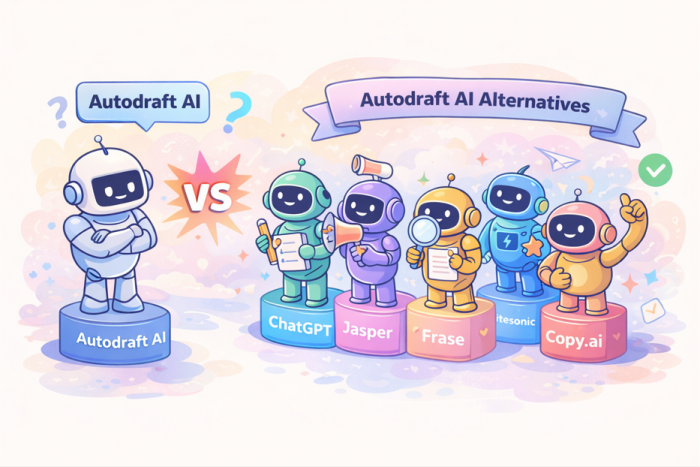
Autodraft AI entered the AI writing tools market with a clear promise: structured drafting and automated content generation. For many users, that sounds efficient. However, real-world drafting rarely follows a straight line. Writers move between outlining, expanding sections, adjusting tone, optimizing for SEO, rewriting introductions, and restructuring arguments. Drafting is not a single action. It is a layered process.
That is where Autodraft AI starts to feel limited.
The issue is not that Autodraft AI fails to generate content. The issue is that modern content workflows require adaptability. Writers do not just need automation. They need flexibility, context awareness, and integration with SEO and brand requirements. This is why many professionals are exploring Autodraft AI alternatives that better align with how drafting actually happens.
Instead of asking whether Autodraft AI is good or bad, the more useful question is: what kind of drafting does the workflow require?
Many writers do not draft in a fixed structure. They test ideas, rewrite sections multiple times, experiment with tone, and refine arguments gradually. In these workflows, rigid templates can feel restrictive.
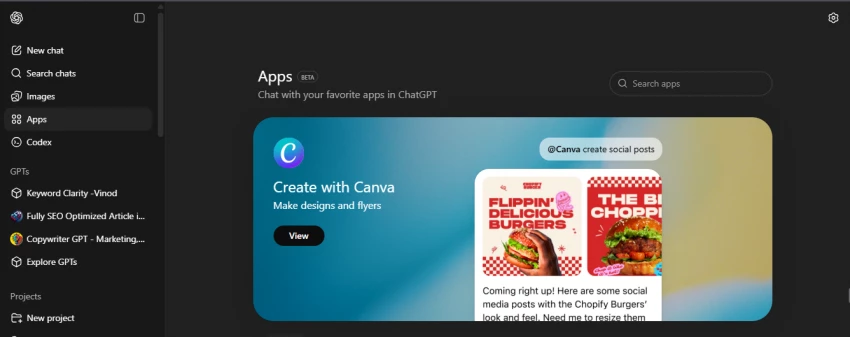
ChatGPT often replaces Autodraft AI in exploratory drafting environments because it functions more like a drafting layer than a drafting template. It adapts to structure instead of enforcing one.
Writers use it to brainstorm outlines, expand paragraphs, simplify complex explanations, and rework tone without switching tools. It supports iterative refinement, which is essential in long-form blog posts, reports, scripts, and technical documentation.
In exploratory writing, adaptability outweighs structured automation.

In contrast, marketing teams and content departments often require consistency. Drafting needs to follow brand tone, repeatable templates, and standardized formats.
This is where Jasper replaces Autodraft AI.
Jasper emphasizes structured workflows and brand voice control. Instead of open-ended drafting, it guides users through predefined frameworks that maintain consistency across campaigns.
In environments where drafting must be predictable and scalable, Jasper often becomes the preferred Autodraft AI competitor.

One of the most significant differences between AI writing tools lies in SEO integration. A draft can be well-written but fail to rank because it lacks topical depth or search alignment.
Frase replaces Autodraft AI in SEO-driven workflows because it anchors drafting to search data.
Instead of focusing only on writing flow, Frase integrates SERP analysis, competitor content comparison, and topic coverage scoring into the drafting process.
When drafting exists to rank in search engines, SEO data becomes more important than narrative flow.
Some content operations prioritize speed over refinement. Agencies, affiliate marketers, and high-volume publishers often need multiple drafts quickly.
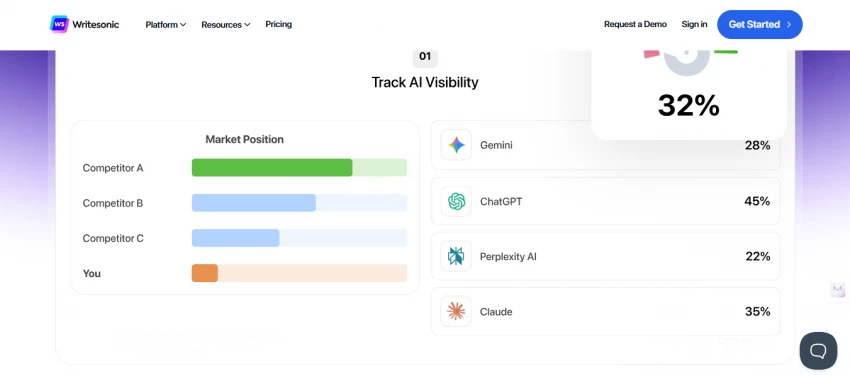
Writesonic replaces Autodraft AI in high-output environments where velocity matters.
It generates content rapidly, allowing users to create multiple variations in short timeframes. The depth may not match slower, more deliberate tools, but the speed advantage is significant.
In high-volume workflows, speed becomes the competitive edge.
Sometimes the bottleneck is not writing the full draft. It is generating angles, hooks, headlines, and concepts.
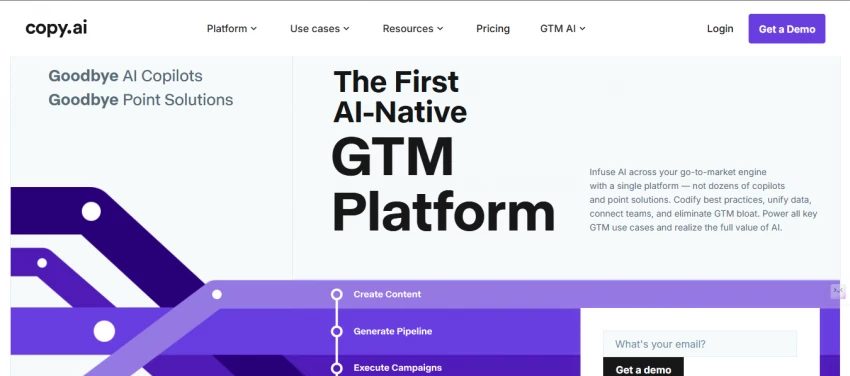
Copy.ai replaces Autodraft AI in ideation-heavy workflows.
It excels at producing marketing hooks, subject lines, ad variations, and short-form copy. While it may not compete in long-form structured drafting, it eliminates creative friction at the starting stage.
It does not replace deep drafting, but it removes the hardest part: starting.
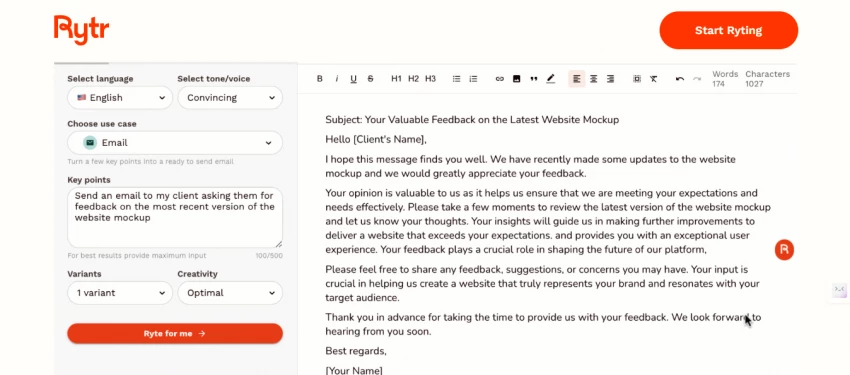
Cost sensitivity is real in content operations.
Rytr becomes the fallback Autodraft AI alternative when budget limitations dominate decision-making.
It offers basic drafting functionality at a lower cost. While it may not match the sophistication of higher-tier AI writing tools, it provides functional value for simple drafting tasks.
For cost-driven users, affordability outweighs advanced features.
The rise of Autodraft AI competitors reflects a broader shift in the AI writing assistant market. Tools are no longer evaluated solely on their ability to generate text. They are evaluated based on context alignment.
Writers now ask:
Autodraft AI remains positioned in the middle. It automates drafting but does not specialize deeply in flexibility, SEO intelligence, high-volume scaling, or budget efficiency.
Autodraft AI is not obsolete. It serves writers who prefer structured drafting assistance within a contained system.
However, in 2026, drafting tools are chosen based on workflow purpose.
The competitive landscape is no longer about which AI writes better. It is about which AI understands why the draft exists.
That shift from automation to contextual alignment is why Autodraft AI alternatives are gaining stronger adoption across modern content teams.
Be the first to post comment!
In the crowded world of AI developer tools, attention is often captured through...
Suraj Malik1 week ago

1. Introduction :In 2026, AI in sales no longer means simple automation or...
Cheshta Upmanyu2 weeks ago