Just a few years ago, creating a professional video meant cameras, lighting, microphones, and hours of editing. Today, AI video tools have completely transformed that workflow.
Platforms like HeyGen allow users to generate talking-avatar videos simply by typing a script. The AI handles everything from voice generation to lip synchronization and presentation.
Businesses now use these tools for marketing campaigns, onboarding videos, product explainers, and educational content. But as the market has grown, several new platforms have emerged offering different strengths, some focusing on realistic avatars, others on automated video editing or content repurposing.
If you're exploring options beyond HeyGen, the tools below represent some of the most capable alternatives currently available.
| Platform | Primary Use Case | Avatar Support |
| Synthesia | Corporate training videos | Yes |
| VEED | Video editing & social media | Limited |
| Pictory | Blog-to-video creation | No |
| Luma AI | Cinematic AI video generation | No |
| Vidnoz | Free AI avatar videos | Yes |
| InVideo AI | Marketing video creation | Limited |
| Descript | AI voice & video editing | No |
| Animaker | Animated explainer videos | Animated avatars |
Each of these platforms approaches AI video creation differently, which is why they are often considered strong alternatives depending on the type of content you want to produce.
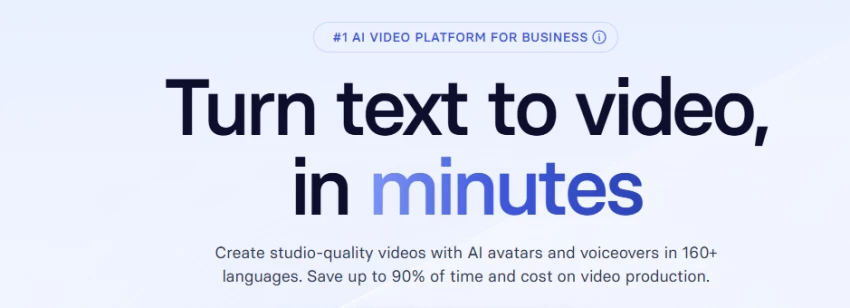
Synthesia is widely considered one of the most direct competitors to HeyGen. The platform specializes in AI presenter videos designed for professional communication and corporate training.
Organizations frequently use Synthesia to produce onboarding videos, internal announcements, and multilingual training materials. Instead of recording presenters repeatedly for different languages, companies can simply generate localized versions using AI avatars.
The platform offers a large library of presenters and supports numerous languages, making it attractive for international teams. Synthesia also includes collaboration tools and brand management features, which are useful for companies producing video content at scale.
From a practical perspective, Synthesia becomes an alternative to HeyGen because it provides a similar avatar-driven workflow but with stronger enterprise capabilities.
However, the platform does have limitations. Some reviewers note that creative editing options are somewhat limited compared with traditional video editors, and advanced features may require higher subscription tiers.
Despite these limitations, Synthesia remains one of the most widely adopted AI avatar platforms for professional environments.
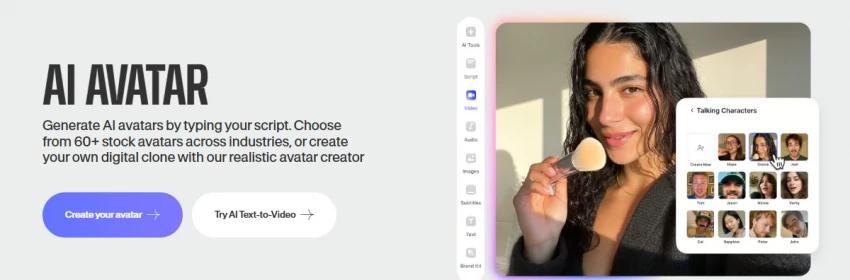
VEED takes a different approach compared with HeyGen. Rather than focusing entirely on AI presenters, VEED is designed as a complete video editing platform with AI tools integrated into the workflow.
Users can record videos, add subtitles, edit clips, generate voiceovers, and create social media content within the same interface. The platform also includes AI features such as automatic caption generation and translation.
This makes VEED particularly popular among YouTube creators, marketers, and social media managers who need to produce content quickly.
VEED becomes a HeyGen alternative because it allows users to generate AI-assisted videos while offering significantly more editing flexibility.
However, the platform’s avatar functionality is not as advanced as tools built specifically for AI presenters. If realistic avatars are the primary requirement, other platforms may offer better results.
For creators who want both AI assistance and full editing control, VEED provides a powerful solution.
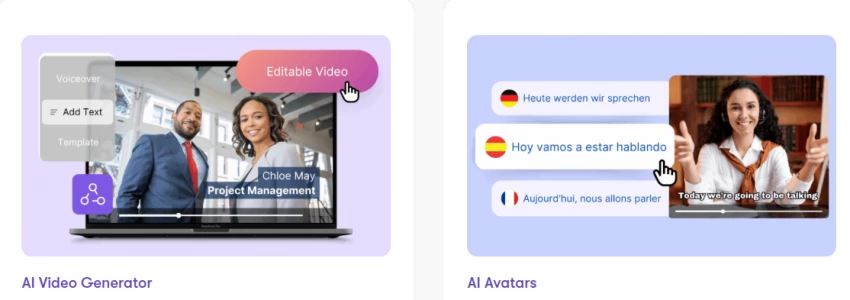
Pictory focuses on transforming written content into videos. Instead of relying on avatars, the platform automatically converts scripts, blog posts, and articles into narrated video content.
This approach is particularly useful for marketers who want to repurpose blog content into videos for social media or YouTube.
The system automatically selects visuals, generates voice narration, and creates a finished video based on the input text.
Pictory becomes an alternative to HeyGen because it removes the need for presenters altogether. Instead of using avatars, the platform emphasizes automated storytelling using visuals and narration.
One limitation is that users looking specifically for AI presenters may find the platform less suitable. Pictory is better suited for content repurposing workflows rather than avatar-based presentations.
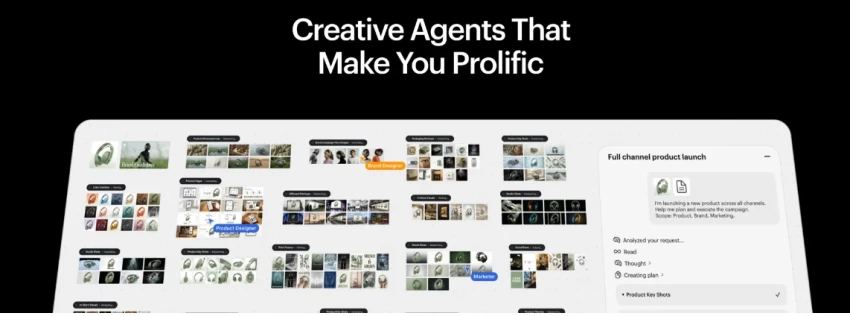
Luma AI represents a more experimental side of AI video creation. The platform focuses on generating cinematic video scenes using artificial intelligence.
Creators use Luma to produce realistic environments, visual effects, and generative video sequences. This makes it particularly popular among filmmakers and designers experimenting with AI-driven visuals.
Although Luma does not specialize in AI presenters, it can complement avatar tools by generating cinematic backgrounds or scenes.
Because of this capability, many creators consider Luma an indirect alternative to HeyGen when they want more visually dynamic AI-generated content.
The primary limitation is that the platform’s workflow is still evolving, and it may require experimentation to achieve specific results.
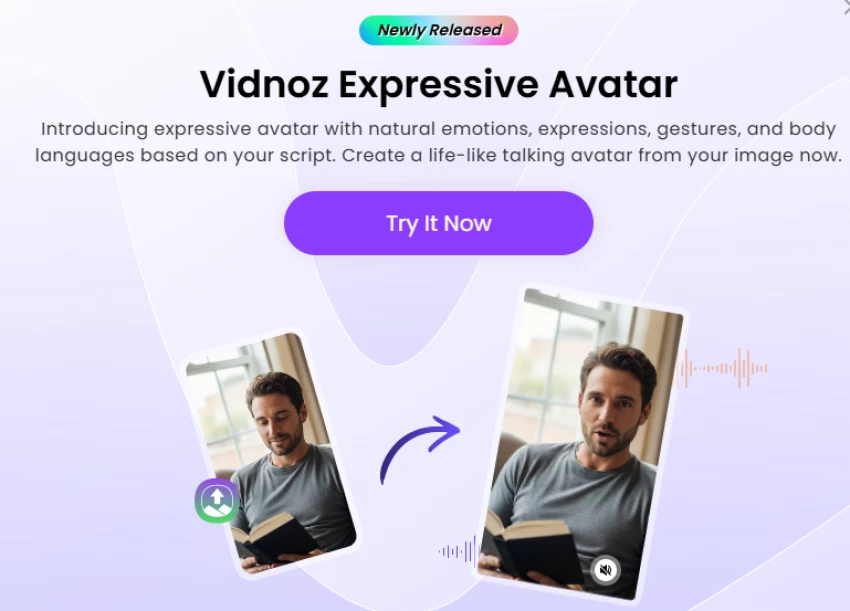
Vidnoz has gained attention as a free AI avatar video generator. The platform offers numerous digital presenters and templates designed for marketing videos.
Users can enter a script, choose an avatar, and quickly generate a video where the presenter delivers the message.
Vidnoz becomes a HeyGen alternative because it provides a similar avatar-driven experience but with a more accessible entry point for users who want to experiment with AI video tools.
Many reviewers highlight the platform’s simplicity and affordability. However, some users note that avatar realism may not match premium platforms like HeyGen or Synthesia.
Still, Vidnoz remains one of the easiest ways for beginners to create AI spokesperson videos.
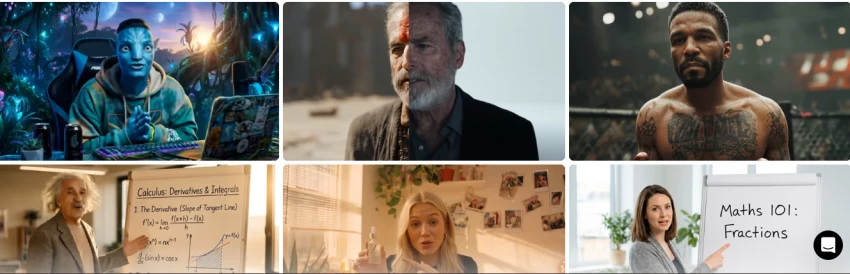
InVideo is widely known for its large template library and automated video generation features. The platform allows users to create marketing videos by describing an idea or entering a script.
The AI then generates scenes, visuals, voiceovers, and transitions automatically.
This makes InVideo particularly attractive for marketers who need to produce promotional content quickly.
While the platform does not focus primarily on AI presenters, it still functions as a HeyGen alternative by simplifying video production through automation.
The main limitation is that avatar features are less advanced than dedicated avatar platforms.
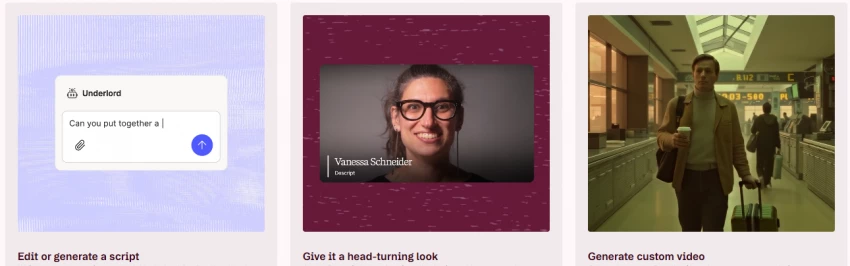
Descript is best known for its AI-powered audio and video editing tools. One of its most popular features allows users to edit videos by modifying the transcript.
The platform also includes voice cloning technology called Overdub, which allows creators to generate narration using synthetic versions of their own voice.
Descript becomes an alternative to HeyGen because it removes the need for on-camera presentation while still enabling high-quality video narration.
However, the platform focuses more on editing and voice generation rather than avatar presenters.
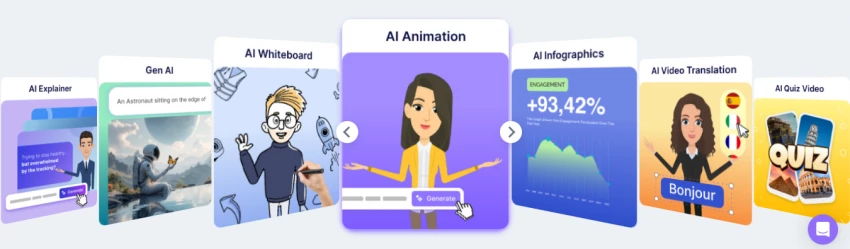
Animaker takes a completely different approach to video creation. Instead of realistic presenters, the platform focuses on animated characters and storytelling.
Users can create explainer videos, product demonstrations, and educational content using animated scenes and characters.
Animaker becomes a HeyGen alternative because it allows businesses to produce presenter-style content using animated characters instead of real-looking avatars.
The main limitation is that it does not offer realistic human presenters, which may be important for certain marketing or training videos.
Choosing the right AI video tool depends largely on your workflow and the type of content you want to create. While some platforms focus on realistic AI presenters similar to HeyGen, others emphasize automated video editing, content repurposing, or animated storytelling.
If your goal is to produce professional training videos, tools like Synthesia may offer stronger enterprise features. Creators who need flexible editing tools may prefer VEED or InVideo. Meanwhile, platforms like Pictory work best for turning written content into videos automatically.
AI video tools are evolving rapidly, and the best platform depends on the type of content you want to produce.
Synthesia and Vidnoz offer workflows closest to HeyGen with AI presenters. Tools like VEED and InVideo emphasize editing and marketing video production. Meanwhile, platforms such as Pictory and Animaker focus on content automation and storytelling.
Understanding these differences helps creators choose the right platform based on their workflow rather than simply selecting the most popular tool.
Be the first to post comment!

Over the past few years, I have experimented with many study platforms, flashcar...
Sakshi Dhingra9 hours ago

I still remember the excitement when Janitor AI first hit the scene. As a longti...
Sakshi Dhingra3 days ago
Why content writing looks different nowA few years ago, most content writers did...
Sakshi Dhingra1 week ago

Over the past few years, the way I manage sales teams has changed dramatically....
Sakshi Dhingra1 week ago

Helping my cousin prepare for NEET last year gave me an unexpected look into how...
Sakshi Dhingra1 week ago
Artificial intelligence has fundamentally altered how YouTube content is produce...
Sakshi Dhingra2 weeks ago