
I didn’t start analyzing Daman Games because of hype. I started because I kept seeing the same question surface again and again across forums, search results, and consumer-complaint sites:
“Is Daman Game real or fake?”
When a platform generates that level of uncertainty, the answer is never binary. So instead of labels, I focused on evidence, distribution methods, user reviews, withdrawal behavior, ownership clarity, and legal context.
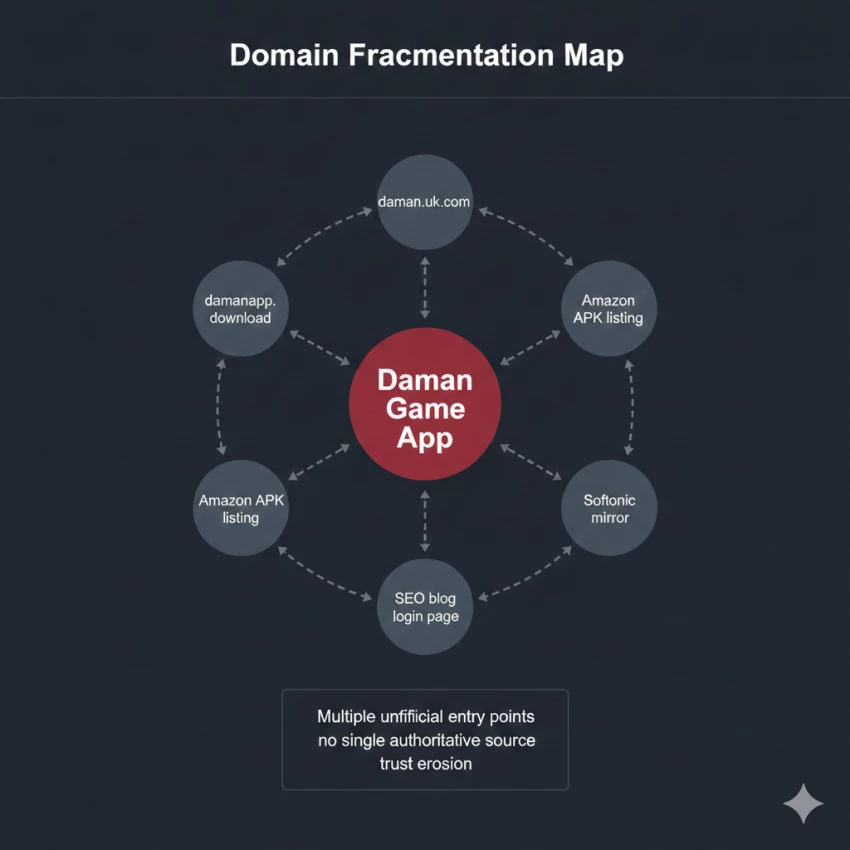
One of the first things I check with high-risk apps is where they live online.
Daman Game does not operate from a single, stable, authoritative domain. Instead, it appears across multiple unrelated sites:
Softonic mirror listing:
https://daman-game-llh.en.softonic.com/android
From personal experience, legitimate money-handling apps consolidate trust into one or two official channels. Fragmentation like this usually signals:
None of these are neutral signals.
Despite being marketed as a “game,” Daman operates as a betting and prediction platform.
Across reviews and gameplay descriptions, the dominant modes include:
From my perspective, the issue isn’t entertainment, it’s probability transparency. These games are chance-based, fast-cycle, and structured so outcomes cannot be independently verified by users.
That places the platform closer to unregulated gambling than skill-based gaming.
A consistent theme across blogs like https://aseemjuneja.in/daman-games/ and https://www.swadeshitechindia.in/2025/09/daman-games-review-real-or-fake-india.html is the heavy referral emphasis.
I see this as a structural risk:
In practice, this creates social pressure loops, where trust is borrowed from friends rather than earned by the platform itself.
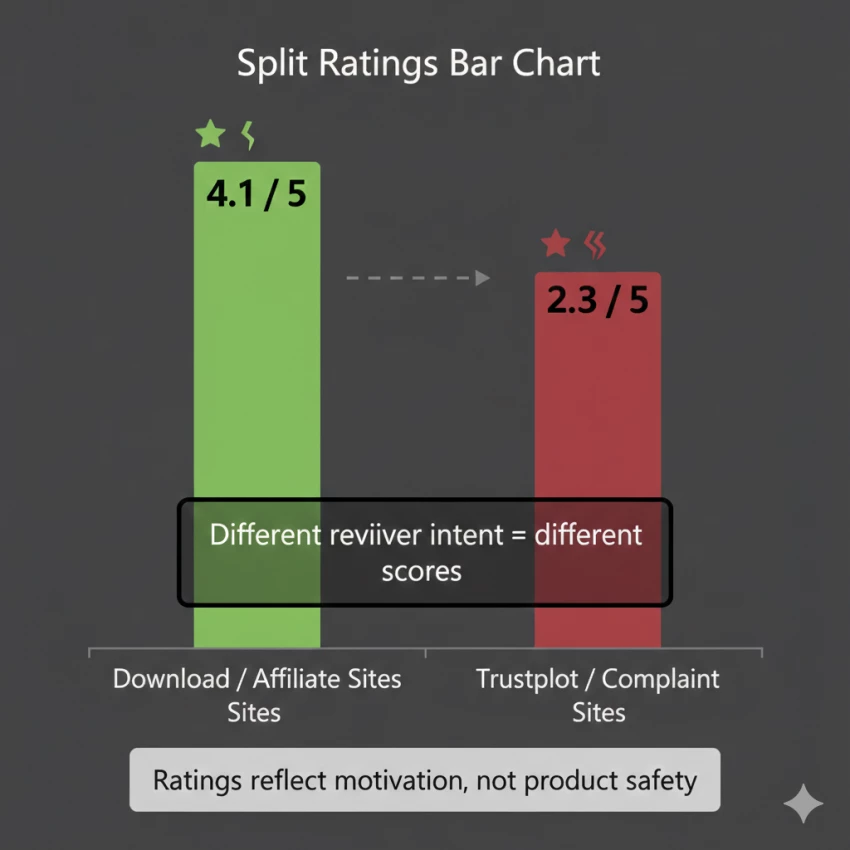
At first glance, ratings look confusing.
On some download sites and third-party pages, Daman Game shows surprisingly high scores. But when I trace those pages, I notice:
Now compare that with consumer-complaint platforms:
Trustpilot reviews:
https://www.trustpilot.com/review/daman.games
PissedConsumer complaints:
https://daman-games.pissedconsumer.com/review.html
ProvenExpert listing:
https://www.provenexpert.com/en-us/daman-games15/
Here, the tone changes completely:
requests for extra deposits to “unlock” funds.
From my experience, rating divergence like this usually means review manipulation on one side and financial harm on the other.
This is the point where my assessment shifts from suspicion to pattern recognition.
When I line up user reports from Trustpilot, long-form blog reviews, and complaint forums, the withdrawal behavior follows a remarkably consistent sequence. It’s not one or two isolated stories, it’s the same arc repeated by different users who don’t know each other.
It usually starts with small, confidence-building wins. Users deposit a modest amount, place a few bets, and successfully withdraw a small sum. This early success is crucial because it establishes trust. At this stage, the platform behaves exactly as promised, and support responses, if contacted, are quick and reassuring.
Once confidence is established, behavior changes. Users begin depositing larger amounts, often encouraged by:
This is where the freeze threshold appears.
As soon as withdrawal amounts become meaningful, users report that transactions stop completing. Withdrawals are marked as “under review,” “pending verification,” or “failed due to policy.” Timelines become vague. Support replies slow down or switch channels, often moving conversations to Telegram or WhatsApp where there is no formal record.
In many cases, the next step is the most telling: users are asked to pay additional money to unlock their withdrawal. This is framed in different ways, tax clearance, verification fees, security deposits, but the underlying logic is the same. The user is being asked to send more money to access money that already belongs to them.
From my experience reviewing scam and high-risk platforms, this is a critical red flag. Legitimate gaming or financial platforms deduct fees automatically from balances. They do not require fresh deposits to release funds. When that line is crossed, the platform has failed a basic trust and custody test.
What makes this pattern especially concerning is its consistency. When dozens of unrelated users describe the same progression, across different websites and timeframes, it stops being anecdotal. It becomes structural behavior, a system designed to delay, frustrate, or prevent large withdrawals while continuing to accept deposits.
That’s why I treat the “freeze threshold” not as a technical issue, but as a risk signal. Any platform that reliably functions only at low monetary levels but breaks down when stakes rise is not behaving in a user-protective way..
One of the most uncomfortable parts of my review process was realizing that I could not reliably identify who is actually responsible for Daman Games, even after checking startup directories like F6S, public-facing websites, and third-party listings.
This isn’t about curiosity, it’s about accountability when money is involved.
In legitimate money-handling platforms, ownership is usually easy to verify. You can trace:
With Daman Games, those anchors are missing or inconsistent.
I don’t see a consistently named parent company that appears across official pages, app listings, and legal documents. Instead, branding and domains shift, which makes it difficult to establish who is legally obligated to protect user funds or respond to disputes.
There is also no verifiable Indian gaming license or association with a recognized regulatory body. For chance-based platforms operating in India, licensing clarity is critical, not optional. Without it, users have no assurance that:
What concerns me most is the absence of a regulator-backed dispute resolution mechanism. If a withdrawal fails or an account is frozen, there is no independent authority a user can escalate to. Support becomes the final gatekeeper, and based on user reports, that gate often closes once meaningful sums are involved.
From my experience reviewing high-risk platforms, this combination, unclear ownership, no licensing transparency, and no external oversight, creates an environment where responsibility is easy to evade. If something goes wrong, users are left arguing with a chat window or a Telegram contact, not a legally accountable entity.
For a platform that actively encourages deposits and handles real money, this level of opacity is not a minor administrative gap. It’s a structural risk. It shifts all downside onto the user while insulating the operator from scrutiny or consequence.
That’s why ownership opacity weighs so heavily in my final assessment. When you don’t know who holds your money or under which laws, they effectively hold all the power.
Most Daman-style platforms operate in a legal gray area in India.
Because outcomes are chance-driven and involve wagering:
many states treat this as illegal gambling,
enforcement varies,
users usually have no legal recourse when funds are lost.
Additionally, APK-based installs increase exposure to:
data misuse,
device permissions abuse,
lack of Play Store safety checks.
Is the Daman app real or fake?
The app exists and functions, but based on withdrawal behavior and user complaints, I consider it high risk and unreliable.
Are free game sites safe?
“Free” usually means entry-only. The risk begins when deposits start.
Who is the owner of Daman Games?
There is no clearly verifiable, accountable owner publicly documented.
Is the Daman app free to use?
Registration may be free, but meaningful participation requires deposits, where most reported losses occur.
After reviewing domains, user complaints, ratings behavior, and financial patterns, my conclusion is firm:
I do not see Daman Game as a trustworthy or user-protective platform.
The strongest warning sign isn’t legality debates or game design, it’s the consistent inability of users to withdraw funds once stakes increase. That alone places it in a category I personally avoid and would advise others to avoid.
Personal Risk Rating: High
User Trustworthiness: Low
Recommendation: Avoid depositing money
Be the first to post comment!
I don’t judge remote-desktop software by feature lists alone. I judge it by how...
Sakshi Dhingra2 hours ago

What Dopple AI IsDopple AI is an AI‑powered character chat platform where you in...
Michael Hicklen4 days ago

Introduction: What Is Insnoop.com? Insnoop.com is a third-party web to...
Michael Hicklen4 days ago

Inworld AI has been one of the more interesting tools experimented with recently...
Michael Hicklen1 week ago

1. What MagicLight AI Is?MagicLight AI is an AI-driven text-to-video and animati...
Cheshta Upmanyu1 week ago

What Is SeaArt AI?SeaArt AI is an AI art generation platform that lets...
Michael Hicklen1 week ago