The moment you try scaling influencer marketing beyond 5–10 creators, everything breaks. Spreadsheets get messy, DMs get ignored, fake followers creep in, and suddenly you’re spending more time managing chaos than running campaigns.
That’s exactly the stage where I started testing AI tools for influencer marketing. Not casually, but deeply. I went through top tools, cross-checked them with blogs, and even looked at real user discussions on Reddit to see what actually works in practice.
What I realized quickly is this:
There is no single “best” tool, but there are clear winners for specific use cases.
Before using these tools, I was doing everything manually, searching hashtags, checking engagement, messaging creators. It works at a small scale, but it collapses fast.
AI tools changed that by solving three core problems:
Many platforms now use machine learning to analyze engagement, audience demographics, and fraud signals, making influencer selection far more data-driven.
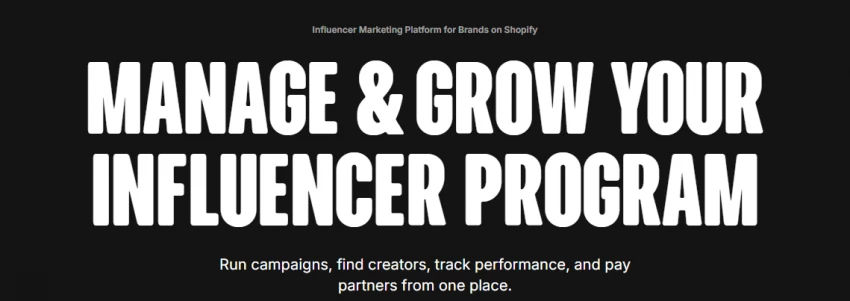
If I had to pick one tool purely for finding influencers, this is the one I kept coming back to.
What stood out for me was how precise the filters are. I could segment creators by location, audience demographics, engagement quality, and niche in seconds.
From Reddit users:
“Huge database with powerful filters, reliable audience insights.”
That said, it’s not a complete solution. Once I found creators, I still had to manage outreach and tracking separately.
My take: Best for discovery, not full campaign management.
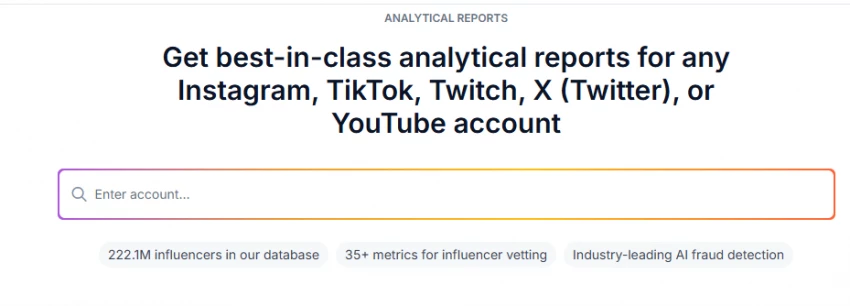
This is where things get serious. HypeAuditor goes deeper into analytics than most tools I tested.
It doesn’t just show follower counts. It evaluates:
Some platforms even highlight access to 200M+ creators globally and predictive campaign planning tools.
But here’s the trade-off: cost.
Reddit feedback confirms this too:
“Modash and HypeAuditor… solid but expensive.”
My take: Best for agencies or serious brands, not beginners.
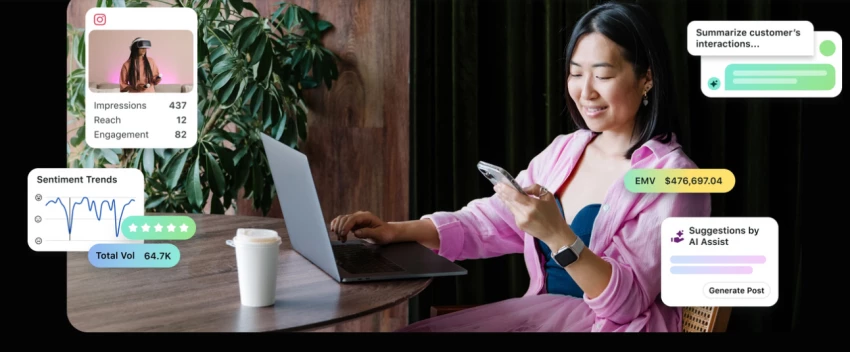
Unlike discovery-first tools, Viral Pitch focuses more on managing campaigns from start to finish.
From what I observed, it helps with:
This makes it more useful when you already have a strategy and need to scale operations rather than just find creators.
My take: Better for campaign management than discovery.
This is not just an influencer tool, it’s a full social media suite.
What makes it powerful is integration:
It’s ideal when influencer marketing is just one part of a larger marketing stack.
My take: Best for teams already running multi-channel campaigns.
This is where things got interesting.
Instead of just trusting blogs, I looked at real user discussions:
“Modash is cheaper… good for discovery but missing features.”
“Upfluence works better when managing large creator pipelines.”
“The right tool depends entirely on what you need.”
That last line is probably the most honest insight in the entire space.
Most influencer marketing tools focus on finding influencers, but the real bottleneck I faced was content creation.
That’s where tools like Predis.ai come in.
It can:
It’s already used by over 2 million users globally and is rated highly for automation and ease of use.
My take: This is where the future is heading—AI doesn’t just find influencers, it creates campaigns too.
After testing everything, I realized something very clear.
The biggest gains didn’t come from “all-in-one” tools.
They came from combining tools:
Discovery → Modash
Analytics → HypeAuditor
Content → Predis / Canva-style AI
Execution → Campaign tools
Even Reddit users confirmed this approach:
“I mix tools, each one is good at one thing.”
That’s exactly what worked for me too.
Despite all the hype, there are still gaps.
First, pricing is a major barrier. Most serious tools are expensive, especially for small teams.
Second, outreach is still manual-heavy. AI can find influencers, but building relationships still requires human effort.
Third, no tool guarantees ROI. The success of influencer marketing still depends heavily on:
After going through all of this, I don’t see AI tools as a replacement for influencer marketing strategy. I see them as multipliers.
They don’t make bad campaigns good.
But they make good campaigns scalable.
If I had to simplify my experience:
Most “best tools” articles oversimplify this space. The reality is far more nuanced.
The real advantage comes when you stop looking for one perfect platform and start building a stack that fits your workflow.
Because in influencer marketing, the edge is not in the tool itself.
It’s in how you use it.
Be the first to post comment!
Writing captions consistently is one of the most underestimated challenges in so...
Sakshi Dhingra1 week ago
Starting a YouTube Shorts channel in 2026 is no longer about simply uploading ve...
Sakshi Dhingra2 weeks ago
Artificial intelligence has quietly moved from being an optional productivity en...
Sakshi Dhingra3 weeks ago
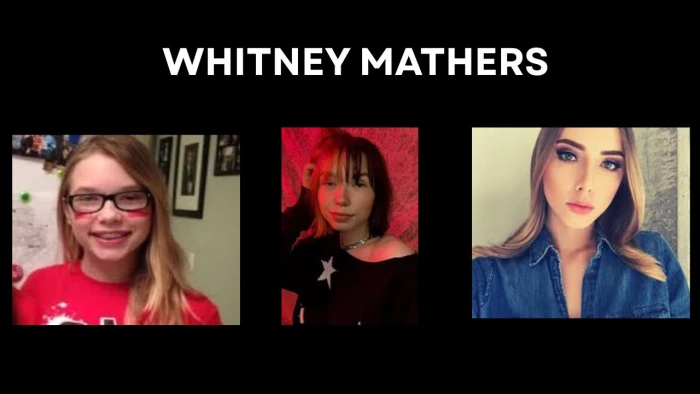
Whitney Scott Mathers, today known as Stevie Laine, is one of the most discussed...
Sakshi Dhingra3 months ago
Introduction: Why People Want to Download Instagram StoriesInstagram Stories are...
Parveen Verma4 months ago
TikTok has its own secret language, and no, we’re not just talking about inside...
Sakshi Dhingra5 months ago