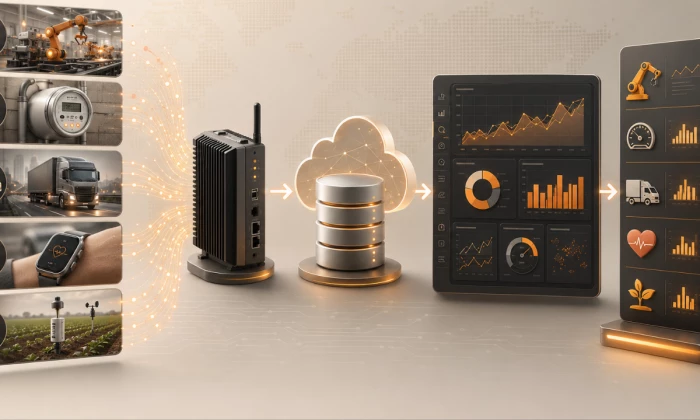
IoT analytics starts with a simple problem: connected devices keep sending data, but most of that data is useless until it is organized and analyzed. A factory sensor reading, a delivery van's location, or a smart meter's usage log only becomes valuable when it helps someone catch a fault, cut a cost, predict a failure, or make a faster call.
So that is what we will walk through here, in plain language. You will see how raw device data moves all the way to a decision, step by step: how it is collected, sent, stored, cleaned, and analyzed (live and over time), how predictive models fit in, how dashboards show the story, and where real businesses use all of this. We will also be honest about the challenges, because IoT analytics is genuinely useful but it is not magic.
Here is the full flow we will cover: data collection, data transmission, data storage, data cleaning, real-time analytics, historical analysis, predictive analytics, dashboards, decision-making, business use cases, and the challenges and limits.
| Quick Answer: IoT analytics is the process of collecting data from connected devices, cleaning and storing it, analyzing it in real time or over time, and using the results to make better decisions. It helps businesses detect problems, monitor performance, predict failures, reduce costs, and automate actions. The full workflow usually includes sensors, networks, cloud or edge platforms, dashboards, machine learning models, and decision-making systems. |
At its core, IoT analytics turns connected-device data into something you can actually use. The data can come from all sorts of places: sensors, machines, vehicles, smart meters, wearables, cameras, and industrial equipment. Some of it gets analyzed the instant it arrives, some near real time, and some sits in storage until you want to look back and spot a trend.
The goal is always the same, though. You want better decisions: catch patterns, cut downtime, run operations
Share your thoughts about this article.
Be the first to post a comment!
A marketing team in 2023 that wanted a two-minute product explainer typically bo...
Sakshi Dhingra2 weeks ago

Two years ago, an AI presenter on screen was a talking point. Today it is a line...
Parveen Verma3 weeks ago
Quick answer: ChatGPT is owned and operated by OpenAI Group PBC, a for-profit pu...
Sakshi Dhingra3 weeks ago
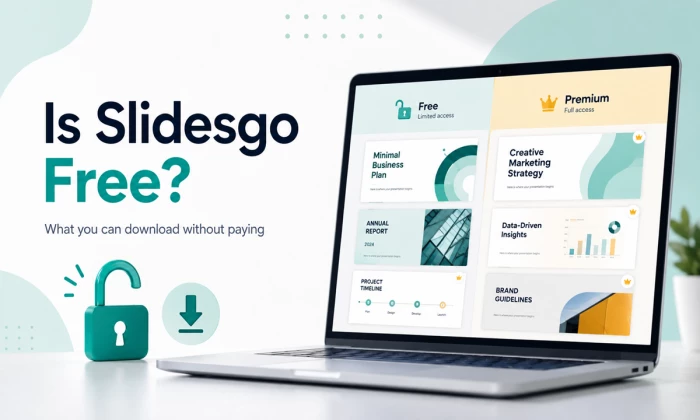
Here is the exact moment most people end up asking this question. You have final...
Nitin1 month ago
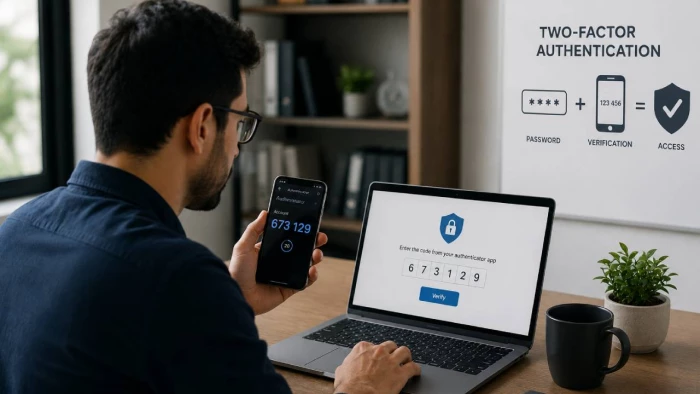
A stolen password does not always look suspicious to a login system. If the user...
Deepak Mehra1 month ago
The short versionA Claude API key is created in the Claude Console at platform.c...
Harpreet Singh1 month ago