
In today’s fast-moving digital landscape, intelligent software that can act independently to help users solve problems and complete tasks is becoming essential. These systems go beyond traditional automation: they observe, decide, and act on a user’s behalf, making them powerful tools for businesses and individuals alike. This article breaks down what these agents are, how they work, the main types available, and real-world ways they are being used today.
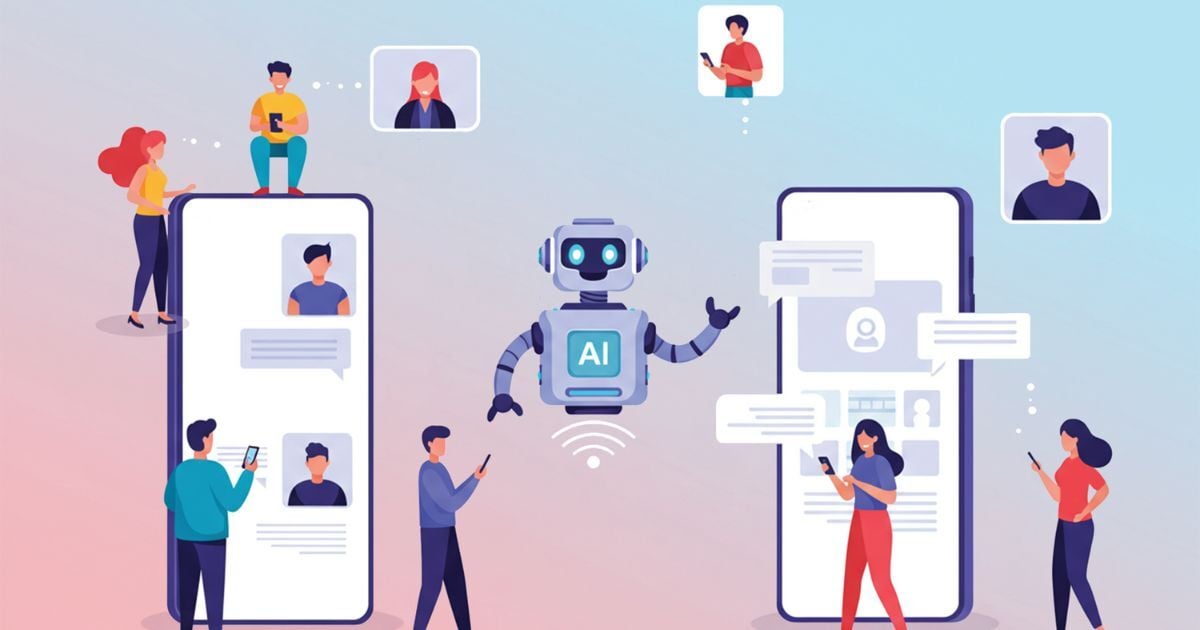
At its core, an intelligent agent is a software system designed to take action toward a set goal with minimal human intervention. Unlike simple programs that wait for instructions, these agents can sense their environment, interpret data, prioritise tasks, and pursue objectives in a proactive way. They use technologies such as machine learning and natural language understanding to analyse information and make decisions that help achieve the outcome they were tasked with.
In simple terms, these systems are like digital assistants that can think, plan, and act, bridging the gap between human requests and real-world execution.
Here’s a simplified view of how these systems typically function:
This pipeline enables them to adjust behaviour in response to new information, making them smarter and more efficient as they operate.
Different systems have varying abilities based on their design and purpose:
These are the most basic types. They act according to predefined rules in response to specific conditions. They don’t keep a memory of past interactions and are ideal for structured environments with predictable inputs.
These agents build an internal picture (or model) of their surroundings. This lets them consider what has happened before and make more informed decisions in situations where data may be incomplete.
Here, agents look beyond simple responses. They plan sequences of actions aimed at achieving a specific result, evaluating different options before acting.
Rather than just chasing a goal, these agents evaluate options based on a “utility value,” essentially choosing what’s most beneficial when trade-offs are involved.
These are the most advanced. They improve their performance over time by learning from outcomes and feedback instead of relying on static rules.
Each type serves different needs, and in complex systems, multiple kinds may work together.
Adopting intelligent agents can deliver tangible advantages across industries:
Intelligent agents are not futuristic, they are already powering practical solutions in many areas:
Agents can handle thousands of inquiries at once, deliver personalized responses, and integrate seamlessly with support systems.
Tools that triage patient questions or organise medical records can reduce administrative workload and improve responsiveness.
From fraud detection to automated reporting, agents are helping institutions improve accuracy and speed up workflows.
Systems assist with inventory management, pricing optimisation, and personalised recommendations, enhancing both operational efficiency and customer satisfaction.
Agents monitor production lines, predict maintenance needs, and optimise supply chains, reducing downtime and waste.
These examples show how intelligent agents can solve real business challenges, save time, and unlock new opportunities.
Intelligent software agents are reshaping the way work gets done. By combining autonomous action with the ability to reason and adapt, they help organisations scale efficiently and solve complex problems. As more industries integrate these systems into daily operations, their impact on productivity, innovation, and decision-making continues to grow.
Whether you’re a business leader exploring ways to work smarter or a technology enthusiast curious about digital automation, understanding these tools is crucial because they’re increasingly part of how the modern world gets things done.
Be the first to post comment!

Artificial intelligence has fundamentally altered how YouTube content is produce...
Sakshi Dhingra1 day ago
In an industry increasingly dominated by single, monolithic AI models like OpenA...
Sakshi Dhingra1 day ago

Instagram Reels have become one of the most powerful organic discovery engines o...
Sakshi Dhingra4 days ago
I don’t judge an AI image generator by “one pretty output.” I judge it by what h...
Sakshi Dhingra5 days ago
AI music generation has matured quickly over the last few years, but the reality...
Sakshi Dhingra6 days ago

AI study tools are everywhere right now. Some feel overhyped. Some feel confusin...
Sakshi Dhingra6 days ago