Android 17 Launches With New Multitasking Tools as Google Expands Gemini Features
by Patricia Ford - 3 months ago - 4 min read
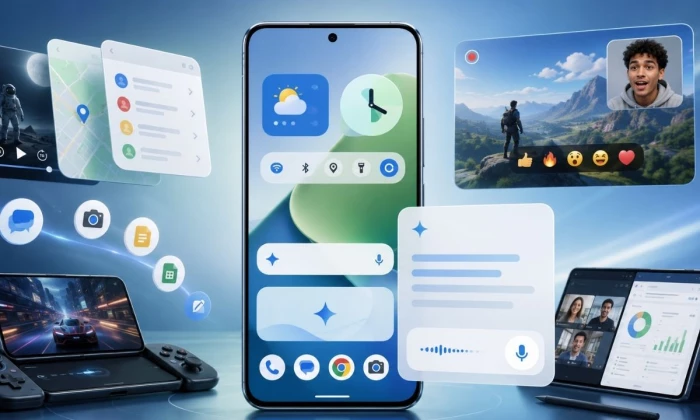
Google has started rolling out Android 17 to compatible Pixel phones, bringing new multitasking tools, creator-focused screen recording features, gaming updates for foldables, and expanded Gemini features across its ecosystem.
The update is part of Google’s latest Android and Pixel software push. It focuses on productivity, entertainment, security, and AI-powered assistance, while some of the bigger Gemini Intelligence features are expected to arrive on select advanced devices later this summer.
The Update at a Glance
| Area | New Feature |
|---|---|
| Multitasking | Floating Bubbles and bubble bar |
| Creators | Screen Reactions for screen recordings |
| Foldables | Touchscreen gaming controls |
| Sharing | Quick Share support expansion |
| AI | Gemini Omni, Lyria 3, Gemini Intelligence |
| Security | Privacy and anti-theft improvements |
| Rollout | Pixel phones first, other Android devices later in 2026 |
Android 17 Starts Rolling Out to Pixel Phones
Android 17 is rolling out first to Pixel devices, with other eligible Android phones expected to receive the update later in 2026. Google says the release brings new productivity, personalization, safety, and entertainment features.
The update continues Google’s strategy of using Pixel phones as the first showcase for Android’s newest tools before wider Android partners receive the software.
Floating Bubbles Improve Multitasking
One of the biggest changes in Android 17 is the new Bubbles multitasking system.
The feature lets users keep supported apps in floating windows, making it easier to switch between tasks without fully opening and closing apps. On larger screens, including tablets and foldables, Android 17 also adds a dedicated bubble bar to manage active app bubbles more easily.
This update is especially useful for people who message, browse, watch videos, or work across multiple apps at the same time.
Screen Reactions Target Creators
Android 17 also introduces Screen Reactions, a new screen recording feature designed for creators.
The tool allows users to record their screen while also capturing their face through the selfie camera in a movable overlay. This can help users create reaction videos, app tutorials, gameplay clips, and social media content without relying on extra editing tools.
The feature feels clearly designed for short-form video platforms, where reaction-style content is common.
Foldables Get Better Gaming Controls
Google is also improving Android gaming on foldable phones.
Android 17 brings touchscreen gaming controls for foldables and native controller remapping for Android devices. This means users can customize controls more easily and get a better gaming experience on larger or flexible screens.
The update fits Google’s broader effort to make Android more useful on different device types, including phones, tablets, foldables, watches, and XR devices.
Gemini Features Expand Across Android
Alongside Android 17, Google is also expanding Gemini-powered features.
According to TechCrunch, the Gemini app is gaining Gemini Omni for conversational video editing, while Lyria 3 lets users create music tracks using text prompts and images.
Google has also previewed Gemini Intelligence, a more proactive AI layer for advanced Android devices. It is expected to support features like custom AI-generated widgets, multi-step task automation, Chrome assistance, and Rambler, a tool that can turn spoken thoughts into polished text.
Quick Share and Pixel Features
Android 17 also brings improvements to sharing and Pixel-specific features.
TechCrunch reported that Quick Share’s AirDrop compatibility is expanding to older Pixel 8a and Pixel 9a devices. The Verge also reported that Voice Translate is coming to Pixel 10a, while “Take a Message” is expanding to Pixel 6 and newer devices, with some regional limitations.
These smaller updates make Android feel more connected across devices and help Google compete more directly with Apple’s ecosystem.
Security and Privacy Updates
Google is also adding privacy and anti-theft improvements in Android 17.
The update includes enhanced security protections, improved parental controls, temporary location access, and stronger theft-related device protections.
These changes are important because mobile operating systems are now expected to protect users not only from malware, but also from scams, device theft, location misuse, and unsafe app behavior.
The Bigger Android Direction
Android 17 shows where Google wants the platform to go next.
The update is not only about a new version number. It combines multitasking, creator tools, foldable support, security, and deeper Gemini integration. Google is trying to make Android more proactive, more creative, and more useful across different screen sizes.
The biggest shift is AI. Gemini is moving from a standalone assistant into a deeper system layer that can help with content creation, automation, search, messaging, and device personalization.
Final Take
Android 17 is a practical update with a clear AI direction.
The new Bubbles multitasking system, Screen Reactions, foldable gaming controls, Quick Share improvements, and Gemini upgrades make the release more useful for everyday users, creators, and power users.
However, the most important features may still be ahead. Gemini Intelligence is expected later this summer on select advanced devices, and that could show how far Google wants to push AI inside Android.
For now, Android 17 is a strong step toward a more flexible, AI-powered mobile operating system.