Ferrari Uses AI to Build F1 Superfans
by Michael Hicklen - 4 months ago - 4 min read
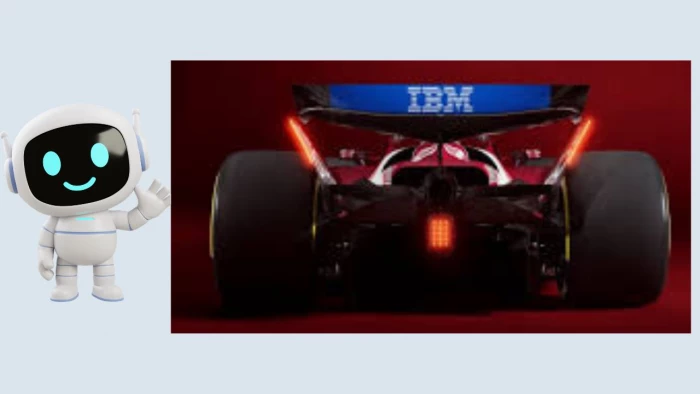
Ferrari is using artificial intelligence to turn Formula 1 fandom into a more personalized, always-on digital experience. The Scuderia Ferrari HP app, built with IBM’s watsonx platform, is designed to give fans AI-written race summaries, interactive games, predictions, behind-the-scenes content, and an AI companion that can answer questions about the team and the sport. TechCrunch reported that Ferrari appointed Stefano Pallard as head of fan development, a sign that the team is treating fan engagement as a formal growth function rather than a side project.
The timing is strategic. Formula 1’s global fanbase reached 826.5 million in 2024, up nearly 90 million from the previous year, according to Nielsen Sports data cited by Reuters. China’s F1 fanbase grew 39%, while the U.S. rose 10.5%, showing that the sport’s growth is increasingly global, younger, and less dependent on its traditional European base.
Ferrari Turns Race Data Into a Fan Product
Ferrari’s challenge is not awareness. It is depth. IBM says Scuderia Ferrari HP has 396 million fans worldwide, but most fans do not interact with the team in the same way. Some follow every practice session; others only watch race highlights; newer fans may know Charles Leclerc or Lewis Hamilton more through social media than race telemetry.
The new app is built to close that gap. Instead of giving every fan the same static race information, IBM says the watsonx-powered platform uses generative AI and hybrid cloud infrastructure to convert race data and other inputs into personalized content around the clock. That makes Ferrari’s app less like a traditional team app and more like a digital fan layer that can adapt to different levels of knowledge, interest, and engagement.
F1’s Audience Is Becoming More Valuable
The commercial logic is clear. Formula 1 is no longer only selling race weekends; it is selling a year-round media, data, sponsorship, and fan relationship business. The 2025 Australian Grand Prix drew a record attendance of 465,498, while the broader fanbase continued to grow across China, the U.S., Canada, Argentina, and Saudi Arabia.
That growth changes what teams need from digital platforms. A basic app can inform fans, but an AI-enabled app can potentially convert casual viewers into repeat users by giving them easier explanations, race context, predictions, and personalized storytelling. For a brand like Ferrari, whose value depends on history, emotion, performance, and exclusivity, AI becomes a way to scale intimacy without losing the premium feel of the brand.
IBM Gets a Showcase for Enterprise AI
For IBM, Ferrari is also a high-profile demonstration of what enterprise AI can look like outside back-office automation. Axios reported that the app uses IBM’s enterprise AI and data platform to process and apply more than 1 million racing data points per second, turning real-time information into content and insights fans can actually consume.
That matters because many enterprise AI projects still struggle to move beyond pilots. Ferrari gives IBM a consumer-facing example where AI is not just summarizing documents or answering internal questions; it is packaging live data, brand storytelling, and personalization into a product that millions of fans may touch.
The Competitive Race Beyond the Track
Ferrari is not alone in trying to own the digital fan relationship. F1 itself has invested heavily in data graphics, streaming products, social video, gaming, fantasy, betting partnerships, and behind-the-scenes storytelling. Teams such as Mercedes, McLaren, and Red Bull also compete for attention far beyond Sunday races.
The difference is that Ferrari has one of the most emotionally powerful fan brands in global sport. If AI can help the team explain strategy, personalize race recaps, surface archival content, and create interactive experiences, Ferrari can strengthen loyalty in markets where F1 is still growing. That could matter especially in the U.S. and China, where newer fans may not have decades of inherited team loyalty.
The Risk Is Over-Automating Emotion
The challenge is that fandom is not just a data problem. Fans care about drivers, rivalries, mistakes, race-day tension, team history, and the feeling of belonging to something larger than a scoreboard. If Ferrari’s AI features feel too synthetic or generic, they could weaken the very emotional connection they are meant to deepen.
The best version of Ferrari’s AI strategy is not replacing human storytelling. It is using AI to help more fans understand the sport, follow the team more closely, and feel connected between races. In that sense, the app is a test of where sports technology is heading: from broadcasting events to building personalized fan ecosystems around them.
Ferrari’s bet is that the next generation of F1 superfans will not be created only at the circuit. They will be created on phones, inside apps, through data, predictions, summaries, and AI companions that make the sport easier to follow every day of the season.