OpenAI Uses AI to Help Patch Open-Source Software
by Deepak Mehra - 3 months ago - 4 min read
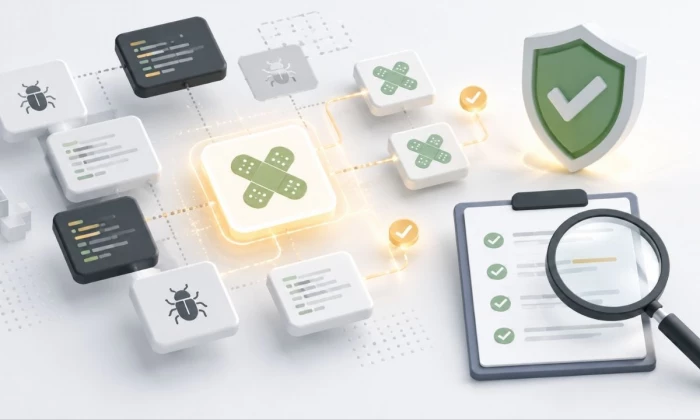
OpenAI has launched Patch the Planet, a new cybersecurity initiative designed to help open-source maintainers find, verify and patch software vulnerabilities.
The program is part of OpenAI Daybreak, the company’s broader cyber defense effort. It was built with security firm Trail of Bits and includes collaboration with HackerOne, Calif, security researchers and open-source maintainers. OpenAI says the goal is not only to discover bugs, but to help projects move from findings to actual fixes.
Security Brief
| Point | Detail |
|---|---|
| Initiative | Patch the Planet |
| Parent program | OpenAI Daybreak |
| Main partner | Trail of Bits |
| Other collaborators | HackerOne, Calif, researchers and maintainers |
| Focus | Critical open-source software |
| Goal | Find, validate and patch vulnerabilities |
| Method | AI-assisted research plus expert human review |
| Early projects | cURL, Go, Python, Sigstore, pyca/cryptography and others |
The Problem OpenAI Is Targeting
Open-source software runs much of the internet, but many important projects are maintained by small teams with limited time and funding.
That creates a serious security gap. A vulnerability in a widely used open-source package can affect thousands of companies, apps and infrastructure systems at once.
OpenAI’s new initiative is aimed at that gap. Instead of only reporting possible issues to maintainers, Patch the Planet is designed to support the harder part: validating whether a bug is real, preparing a fix and improving the project’s long-term security practices.
How Patch the Planet Works
Patch the Planet combines OpenAI’s cyber-focused AI models with human security experts.
OpenAI says the program uses AI-assisted security research to identify possible vulnerabilities, then relies on expert review to confirm the findings and help create patches. This is important because AI systems can produce false positives, especially in complex security work.
Trail of Bits described the initiative as different from simply filing issues and walking away. Its researchers said the program is designed to work alongside maintainers, triage findings and help harden codebases.
Early Results From the Program
The program has already started working with major open-source projects.
OpenAI says more than 30 open-source projects have committed to participate, including cURL, Go, Python, Sigstore and pyca/cryptography.
Trail of Bits said the first week of the program covered 19 projects across cryptography, networking, language infrastructure and software supply chain security. It also said 37 patches have already been merged, with more fixes in progress.
That makes the initiative more concrete than a typical AI-security announcement. It is not only about scanning code. It is already producing fixes.
OpenAI’s Bigger Cybersecurity Push
Patch the Planet is part of a wider OpenAI security strategy.
The company also announced expanded access to cyber-focused models through Daybreak, including GPT-5.5-Cyber, and described Codex Security as a tool for identifying threats, generating patches and verifying fixes across code and systems.
Wired reported that OpenAI is also releasing its Codex Security scanner as an app plug-in and expanding trusted access to cybersecurity-focused models for governments and institutions.
The Maintainer Bottleneck
The biggest issue in open-source security is not always finding bugs. It is fixing them without overwhelming maintainers.
AI tools can generate huge numbers of possible findings. But maintainers still need to know which issues are real, which ones are urgent and how to patch them safely.
Trail of Bits noted that frontier models can produce a “firehose” of security findings, and maintainers must separate real vulnerabilities from plausible but incorrect reports. Patch the Planet is designed to reduce that burden by adding expert triage and patch support.
What This Means for Developers
For developers and companies that depend on open-source software, this initiative could improve security in the background.
If widely used libraries receive better testing, fuzzing, patching and security review, the entire software ecosystem becomes safer.
For maintainers, the program could provide valuable help without requiring them to handle every AI-generated report alone. That is important because many open-source teams already deal with limited resources, burnout and high support pressure.
The Risk Side
The program also raises a larger question: if AI can help defenders find bugs faster, can attackers use similar tools too?
That is one reason OpenAI is framing Daybreak around defensive cybersecurity. The company says its tools are intended for authorized environments, secure code review, vulnerability triage, malware analysis, detection engineering and patch validation.
The success of programs like Patch the Planet will depend on keeping the focus on responsible disclosure, maintainer consent and practical fixes.
Final Take
OpenAI’s Patch the Planet initiative shows how AI may become useful in cybersecurity beyond chatbots and code generation.
The strongest part of the program is its focus on patches, not just bug reports. Open-source maintainers do not need more noise. They need verified findings, usable fixes and support that improves their projects over time.
If OpenAI, Trail of Bits and their partners can scale this responsibly, Patch the Planet could become an important model for using AI to defend the open-source software that modern technology depends on.